
In a world where convenience often reigns supreme, the journey of a humble grain is a testament to nature’s quiet artistry and agricultural ingenuity. From the lush green fields where it sways in the breeze, the maize kernel embarks on a transformative expedition, evolving from mere seed to staple food. “From Kernel to Flour: The Journey of Maize Milling” invites you to explore this fascinating process, unraveling the intricate steps that turn a simple ear of corn into fine flour. Along the way, we will delve into the age-old traditions and modern technologies that shape the milling industry, illuminating the labor and science behind each granule that feeds our communities. Join us as we trace the path of maize, celebrating its role not just as a crop, but as a cornerstone of culinary culture across the globe.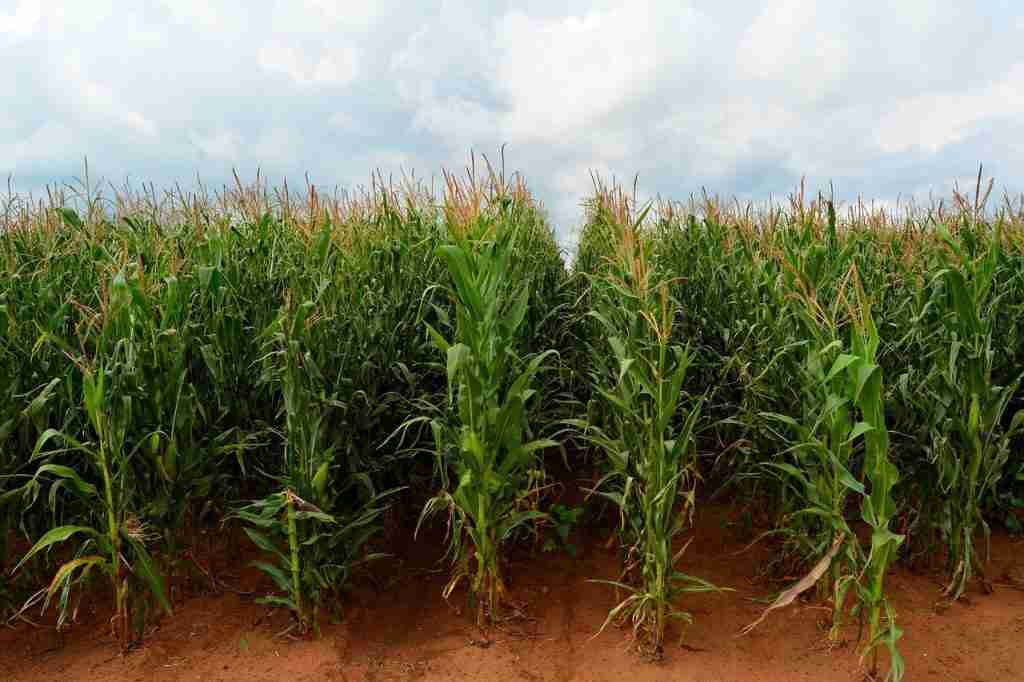
The Essential Role of Maize Selection in Quality Milling
Maize, as a fundamental ingredient in the milling industry, requires a meticulous selection process to ensure that the end product meets quality standards. This selection process is pivotal and encompasses several factors that influence the properties of the final flour. Key considerations include:
- Kernel Variety: Different maize varieties possess unique traits that affect texture and flavor.
- Moisture Content: The ideal moisture level facilitates optimal milling and prevents spoilage.
- Kernel Integrity: Whole and undamaged kernels yield superior milling performance.
- Color and Size: Uniformity in size and color can influence marketability and consumer acceptance.
Understanding these factors allows mills to optimize their milling processes. By investing in quality maize selection, mills can ensure that their flour not only meets but surpasses industry standards. The correlations between kernel quality and milling efficiency become increasingly evident when reviewing comparative data:
| Kernel Quality | Milling Efficiency (%) | End Flour Quality Rating |
|---|---|---|
| High Quality | 95 | 5/5 |
| Medium Quality | 80 | 4/5 |
| Low Quality | 60 | 2/5 |
This table illustrates the direct link between the quality of maize kernels and their impact on the milling process, emphasizing that superior selection ultimately leads to enhanced flour quality. Through careful examination and selection of maize, mills can significantly influence their operational outcomes and customer satisfaction.

Transformative Techniques: Exploring Modern Milling Processes
The journey of maize milling has undergone a revolutionary transformation over the years, marked by the adoption of advanced techniques that enhance both efficiency and product quality. Central to this evolution is the use of modern milling equipment, which features state-of-the-art technologies such as pneumatic conveying, roller mills, and air classifiers. These innovations streamline the breakdown of maize kernels, ensuring a more uniform particle size and higher extraction rates. Other transformative techniques, like cryogenic milling, also come into play—where freezing temperatures are applied to embrittle the maize, facilitating easier grinding and preserving the integrity of its nutrients.
Another crucial aspect of contemporary milling processes is the integration of automation and digital technologies. Automated systems monitor and adjust milling parameters in real-time, providing manufacturers with unparalleled control over the milling process. This leads to significant reductions in waste and energy consumption. Furthermore, the incorporation of data analytics into milling operations enables producers to optimize their workflows based on comprehensive insights into milling efficiency and product quality. Some key advantages of these advancements include:
- Increased efficiency: Faster production times with less manual intervention.
- Improved quality: Higher flour yield with consistent texture and nutritional value.
- Sustainability: Reduced energy consumption and waste through optimized processes.
From Nutrients to Nutrition: The Health Benefits of Maize Flour
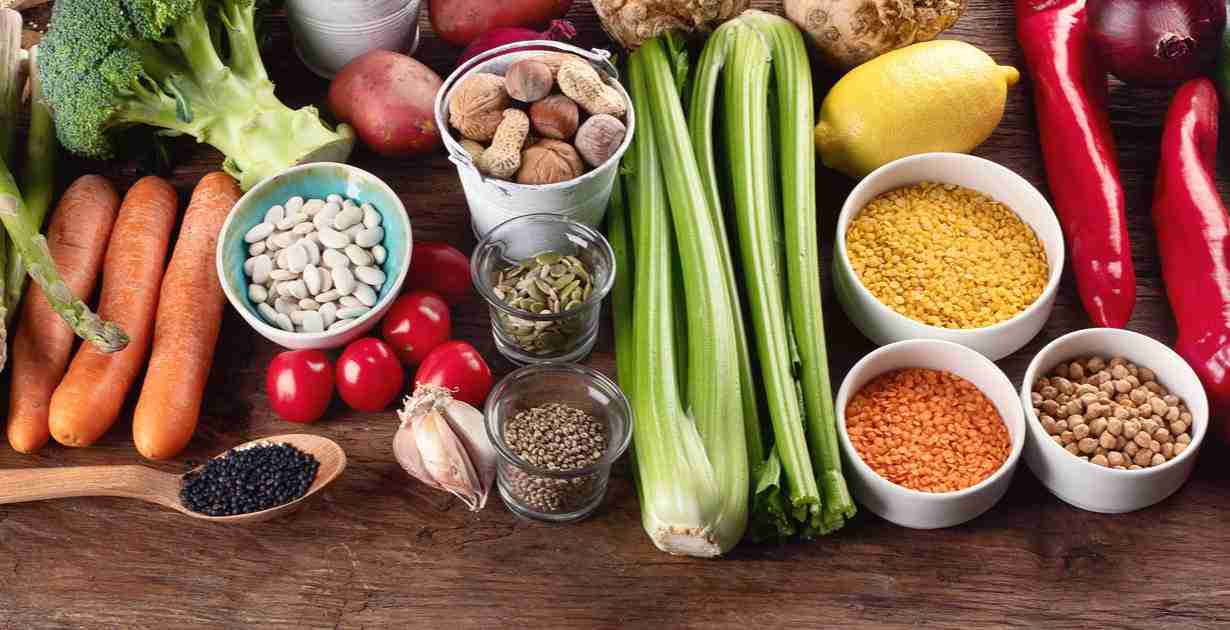
Maize flour, often overlooked in favor of more exotic grains, holds a treasure trove of health benefits that can invigorate your diet. As a rich source of essential nutrients, it offers a unique combination of vitamins, minerals, and dietary fiber that contributes positively to overall health. The processing of maize into flour retains many of its nutritional properties, making it a valuable ingredient in both traditional and contemporary cuisines. Some notable components include:
- Vitamin B Complex: Supports metabolism and energy production.
- Fiber: Aids digestion and promotes gut health.
- Antioxidants: Helps combat oxidative stress and inflammation.
- Magnesium: Essential for muscle function and bone health.
The inclusion of maize flour in your meals can yield an array of health benefits. This versatile ingredient can be incorporated into various dishes, enhancing both flavor and nutrition without compromising dietary goals. Its high fiber content, for instance, can aid in keeping you full longer, reducing overeating and contributing to weight management. Furthermore, its gluten-free nature makes it an excellent alternative for those with gluten sensitivities. Below is a summary of how maize flour can benefit your health:
| Health Benefit | Description |
|---|---|
| Weight Management | Promotes satiety due to high fiber content. |
| Digestive Health | Supports gut health and regular bowel movements. |
| Energy Boost | Rich in carbohydrates providing sustained energy levels. |
| Bone Strength | Contains magnesium for enhanced bone density. |

Challenges and Innovations: Navigating the Future of Maize Milling
As the maize milling industry evolves, it faces an array of obstacles that challenge traditional methodologies. Climate change has resulted in erratic weather patterns, affecting maize yields and quality. In addition, increasing demand for sustainable practices has pressured millers to adopt eco-friendly strategies for processing and energy consumption. The industry must grapple with the rising costs of raw materials and the necessity to optimize operational efficiency. Consequently, many mill operators are exploring innovative technology solutions that streamline processes and improve product quality.
Innovation emerges as a beacon of hope amidst these challenges. Cutting-edge milling technologies such as digital monitoring systems and automated machinery enhance precision and reduce waste, proving pivotal in maximizing output. Furthermore, the integration of data analytics allows millers to make informed decisions that can adapt to market trends and consumer preferences. Opportunities arise in niche markets, such as gluten-free or fortified flour, offering avenues for diversification. The path ahead is illuminated by a commitment to research and development, unveiling techniques that promise to revolutionize how maize is milled, ensuring the industry is resilient and forward-looking.
Insights and Conclusions
As we conclude our exploration of the transformative journey from kernel to flour in the world of maize milling, it becomes evident that this age-old process is more than just a series of mechanical steps; it is a symphony of tradition, technology, and nature’s bounty. Each kernel holds within it the potential to nourish, to create, and to inspire countless culinary delights that span cultures and generations.
From the careful cultivation of the maize crop to the intricate milling techniques that yield fine flour, every stage is a testament to human ingenuity and resilience. As we stand at the intersection of past practices and modern advancements, we must appreciate the rich heritage that has paved the way for our contemporary culinary experiences.
As maize flour finds its way into our kitchens, fueling our creativity and filling our tables, let us recognize the journey it has undertaken – a journey that reflects not only the labor of farmers and millers but also the interconnectedness of our global food system. Armed with this understanding, we can approach our meals with gratitude and a deeper appreciation for the role that maize plays in our daily lives. So, as you sift flour and knead dough, remember the path of the humble kernel, embodying the essence of nourishment and community.




