
From Field to Table: The Journey of Corn Processing
In the heart of America’s agricultural landscape, a vibrant yellow mosaic stretches across fields—each kernel a testament to the toil of farmers who work tirelessly under the sun. Corn, often dubbed “maize,” is more than just a staple; it is the backbone of countless culinary traditions and industrial processes. But how does this humble crop transform from swaying stalks in the open air to the diverse array of products on our grocery store shelves and dining tables? This article explores the intricate journey of corn processing, tracing its path from the rich soil of the farm, through the hands of harvesters and processors, to ultimately become a key ingredient in foods and goods we often take for granted. Join us as we uncover the science, craftsmanship, and innovation that breathe life into this golden grain, revealing the complex web that connects the fields to our forks.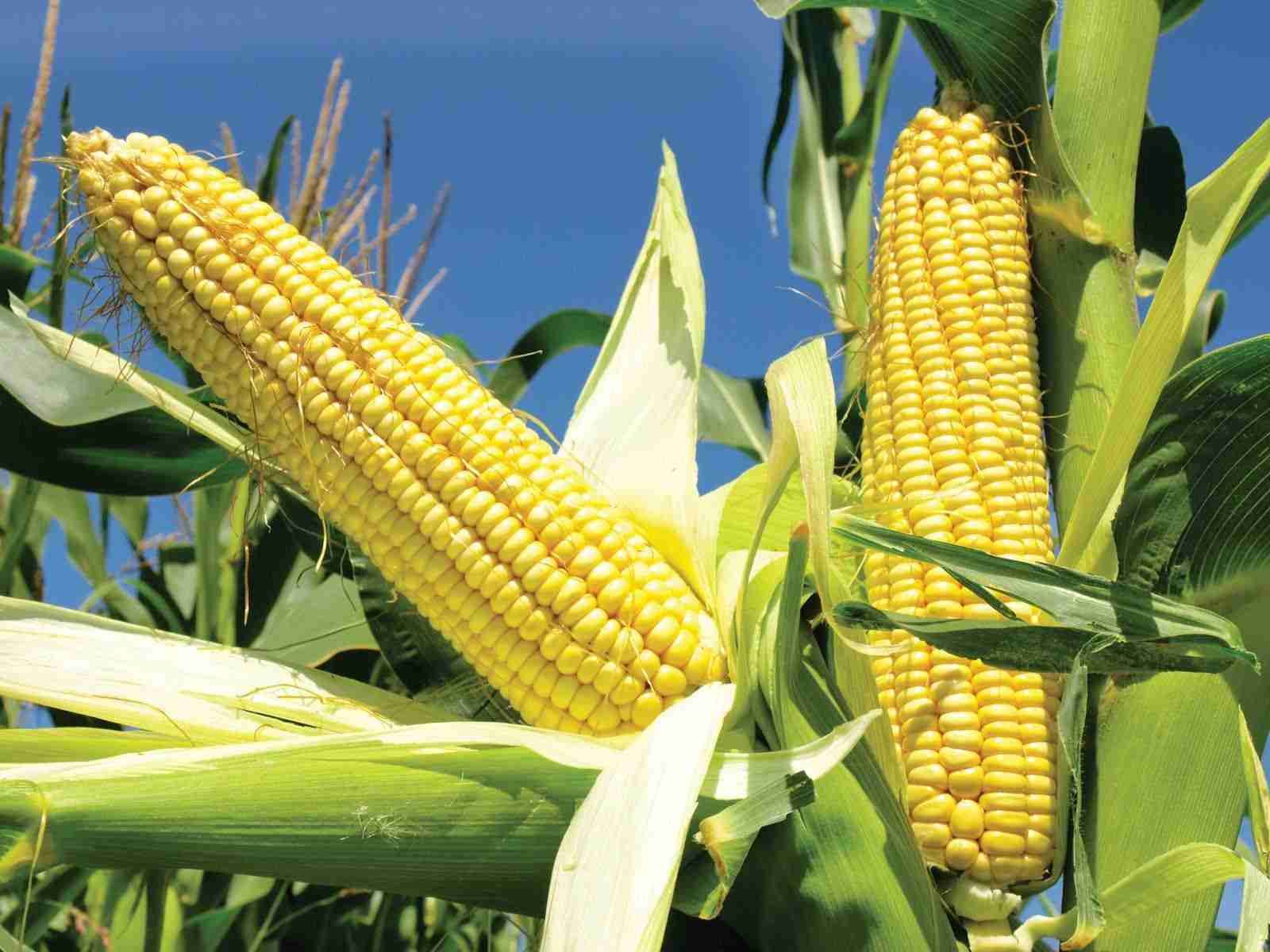
The Lifecycle of Corn: Cultivation to Harvest
The journey of corn begins with meticulous cultivation, where every stage is vital for maximizing yield and quality. Farmers carefully select seeds that are well-suited for their climate and soil conditions, ensuring a strong foundation for growth. Once planted, corn requires proper care throughout its lifecycle, which includes:
- Soil Preparation: Enriching the land with nutrients and preparing it for planting.
- Irrigation: Ensuring the plants receive adequate water, especially during dry spells.
- Pest Control: Managing weeds and pests through organic or chemical methods to protect the crop.
- Fertilization: Applying fertilizers at appropriate stages to provide essential nutrients.
As the corn matures, the anticipation for the upcoming harvest builds. Farmers closely monitor the plants for optimal ripeness, which is often indicated by the drying of husks and kernels hardening. When the time arrives, the process of harvesting begins, typically utilizing specialized machinery that swiftly cuts and gathers the crop. The harvested corn then undergoes several post-harvest steps:
| Post-Harvest Step | Description |
|---|---|
| Drying | Reducing moisture content to prevent spoilage. |
| Storing | Keeping corn in a controlled environment to maintain quality. |
| Processing | Transforming corn into various products such as flour, syrup, and feed. |
| Distribution | Transporting the processed corn to markets and retailers. |

Innovative Techniques in Corn Processing
Emerging technologies and innovative methods are transforming how corn is processed, ensuring that we maximize the crop’s potential while minimizing waste. One standout technique is enzymatic hydrolysis, which employs enzymes to break down starch into sugars, paving the way for the creation of biofuels and sweeteners more efficiently than traditional methods. Additionally, dry milling is gaining traction for its ability to produce higher-quality products with less energy consumption compared to wet milling. This method streamlines the production of corn flour, grits, and snacks while preserving essential nutrients found in the grain.
Another remarkable advancement is the use of pressure cooking, which enhances not just cooking times but also nutritional absorption in certain products. Corn processed this way retains more vitamins and minerals, making it a healthier option for consumers. Moreover, advanced sorting and separation technologies now allow for the meticulous removal of impurities and improved yields. These techniques help ensure that every kernel serves a purpose, whether it’s destined for human consumption, animal feed, or industrial applications. The integration of these innovative techniques signifies a pivotal shift towards a more sustainable and efficient corn processing industry.
| Technique | Description | Benefits |
|---|---|---|
| Enzymatic Hydrolysis | Utilizes enzymes to convert starches into sugars. | Higher efficiency, reduced waste. |
| Dry Milling | A method that grinds corn without water. | Lower energy consumption, higher product quality. |
| Pressure Cooking | Cooks corn under high pressure for better nutrient retention. | Enhanced nutritional absorption. |
| Advanced Sorting Technologies | Employs high-tech systems to remove impurities. | Improved yields and product consistency. |
Nutritional Enhancements: Maximizing Corns Potential
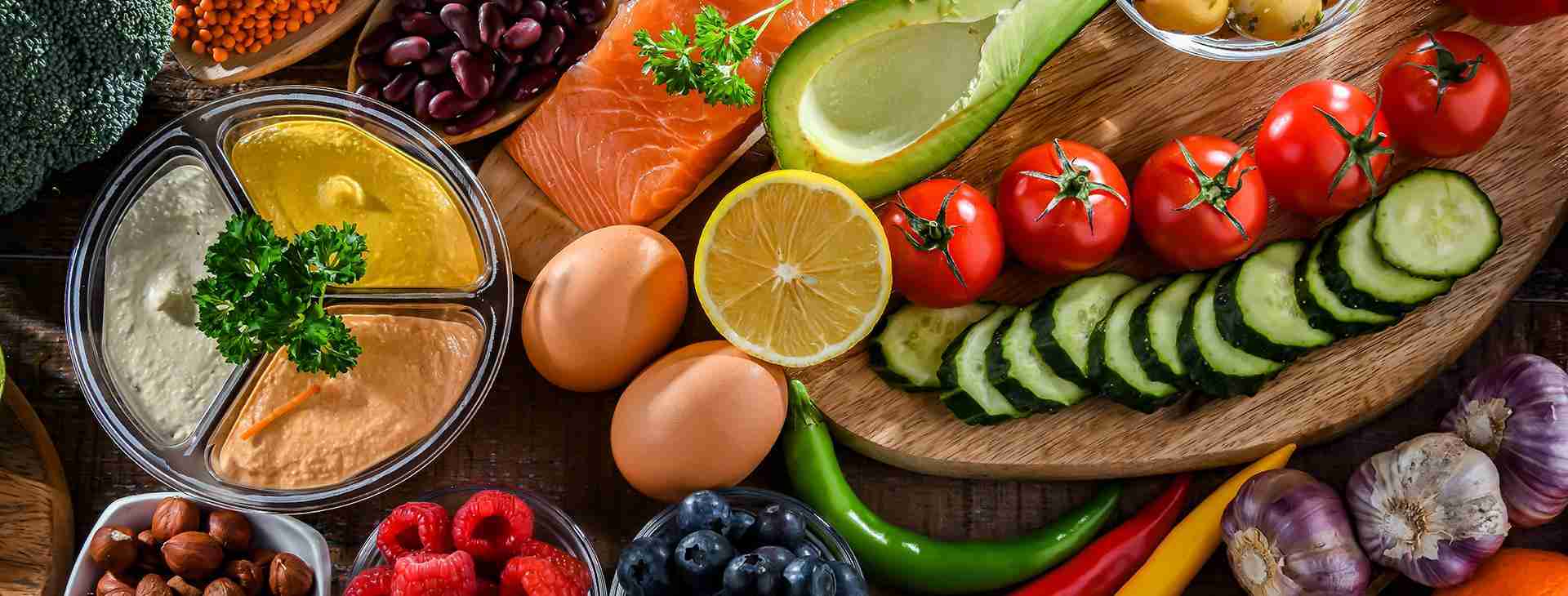
The journey of corn from field to table is enriched not only by its flavor and versatility but also by its potential for enhanced nutrition. By implementing strategic enhancements throughout the processing stages, we can maximize the health benefits this staple grain has to offer. To achieve this, farmers and processors can utilize various techniques, such as:
- Organic farming practices: Employing sustainable methods to minimize chemical inputs while enriching the soil with nutrients.
- Selective breeding: Cultivating varieties with improved nutrient profiles, such as increased levels of protein, fiber, and essential vitamins.
- Fortification: Adding micronutrients like iron and zinc during processing to combat deficiencies in the diet.
- Fermentation: Enhancing digestibility and nutrient availability through the fermentation of corn products, such as masa for tortillas.
Furthermore, the processing techniques employed can also play a crucial role in enhancing the nutritional outcomes associated with corn consumption. For example, advances in cooking and milling methods enable better extraction of nutrients while preserving their integrity. This leads to the creation of products with higher availability of bioactive compounds. Below is an overview of the nutritional impact of various corn processing methods:
| Processing Method | Nutritional Benefit |
|---|---|
| Nixtamalization | Increases calcium and niacin availability |
| Dry Milling | Retains fiber and vitamins in co-products |
| Wet Milling | Enhances separation of nutrients for specific uses |

Sustainable Practices: Reducing Waste in Corn Production
In the quest for more efficient corn production, farmers and industry leaders are increasingly embracing sustainable practices that minimize waste and environmental impact. Through strategies such as crop rotation and cover cropping, they enhance soil health while reducing the reliance on chemical fertilizers. Precision agriculture techniques, including soil moisture sensors and GPS mapping, enable farmers to apply resources only where and when they are needed. This not only conserves water but also leads to higher crop yields with less input, creating a sustainable loop that supports both the ecosystem and the economy.
Additionally, integrating on-farm composting and biogas production taps into the potential of agricultural by-products, transforming what would otherwise be waste into valuable resources. The use of by-products such as corn husks and stover can be utilized in innovative ways, including their conversion into biofuels or feedstock for livestock. Here’s a quick overview of alternative uses for common corn by-products:
| By-Product | Alternative Use |
|---|---|
| Corn Husks | Packaging Material, Biodegradable Plates |
| Corn Stover | Biofuel Feedstock, Animal Bedding |
| Corn Kernels (damaged) | Snack Foods, Ethanol Production |
By adopting these methods, the corn industry is gradually moving towards a more circular economy, where waste is minimized, and every part of the production process is maximized for efficiency. Through collaboration and innovation, the potential for reducing waste in corn production continues to grow, ensuring a sustainable future for the industry and its consumers alike.
The Way Forward
As we conclude our exploration of corn processing, we are reminded of the intricate journey that this humble grain undertakes before it graces our tables. From the sun-kissed fields where it flourishes to the bustling processing facilities that transform it into a myriad of products, the path of corn is a testament to human ingenuity and nature’s bounty.
Every bite of cornbread, every bowl of cornmeal mush, and every pour of corn oil tells a story of cultivation, labor, and innovation. This journey not only nourishes bodies but also connects us to the land and the communities that harvest and process this versatile crop. The next time you enjoy a corn-based dish, take a moment to appreciate the rich tapestry of traditions and technologies that bring food from field to table.
In understanding this process, we gain a deeper appreciation for the ways in which our food is produced, the choices we make as consumers, and the importance of sustainable practices in agriculture. As we savor the flavors of corn, let us also celebrate the journey it has taken and the hands that have helped bring it to our plates—an eternal reminder of the bond we share with our food and the earth from which it comes.




