
Corn Processing: From Field to Fork – The Journey Unveiled
In the sprawling fields of amber waves, corn stands tall, embodying both tradition and modernity. This humble grain, celebrated for its versatility and nutritional value, embarks on a transformative journey from harvest to table. As one of the world’s most widely cultivated crops, corn is not just a staple food, but a critical ingredient in countless products that populate our grocery shelves. In this article, we invite you to explore the intricate pathway of corn processing, revealing the meticulous steps involved in converting this agricultural marvel into the diverse array of foods that enrich our diets and culinary experiences. From the moment the kernels are plucked from the earth, to their final presentation on our plates, the journey of corn is a testament to innovation, sustainability, and the age-old connection between farming and nourishment. Join us as we unveil the stages of this fascinating process, shedding light on the intersection of nature and industry in the world of corn.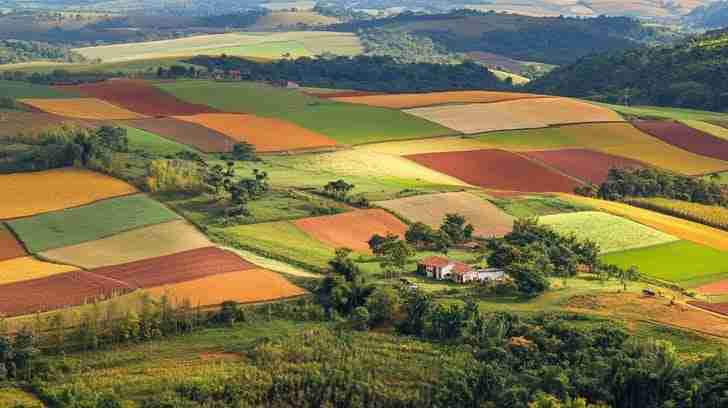
Exploring the Agricultural Landscape: The Vital Role of Corn in Modern Farming
The journey of corn from farm to table is a remarkable testament to its importance in the agricultural landscape. As one of the most versatile crops, corn serves as a cornerstone of modern farming, underpinning various sectors, including food production, livestock feed, and biofuel. With its ability to thrive in diverse climates, it not only contributes significantly to the economy but also to global food security. Farmers utilize advanced techniques to enhance yield, employing methods such as crop rotation, precision agriculture, and sustainable practices, ensuring that this golden grain continues to flourish.
Once harvested, the processing of corn transforms it into a multitude of products utilized in everyday life. From sweeteners and starches to fuel and industrial materials, the agility of corn in meeting various demands is unparalleled. The processing stages can be outlined as follows:
- Harvesting: Timely collection of mature corn.
- Drying: Reducing moisture content to prevent spoilage.
- Milling: Grinding kernels to produce cornmeal and flour.
- Refining: Extracting corn oils, syrups, and ethanol.
- Packaging: Preparing end products for consumers.
This step-by-step transformation not only emphasizes the multifaceted utility of corn but also highlights the intricate connection between agriculture and daily diet, showcasing the essential role it plays in enriching our lives.
Harvesting Innovations: Techniques and Technologies Transforming Corn Collection
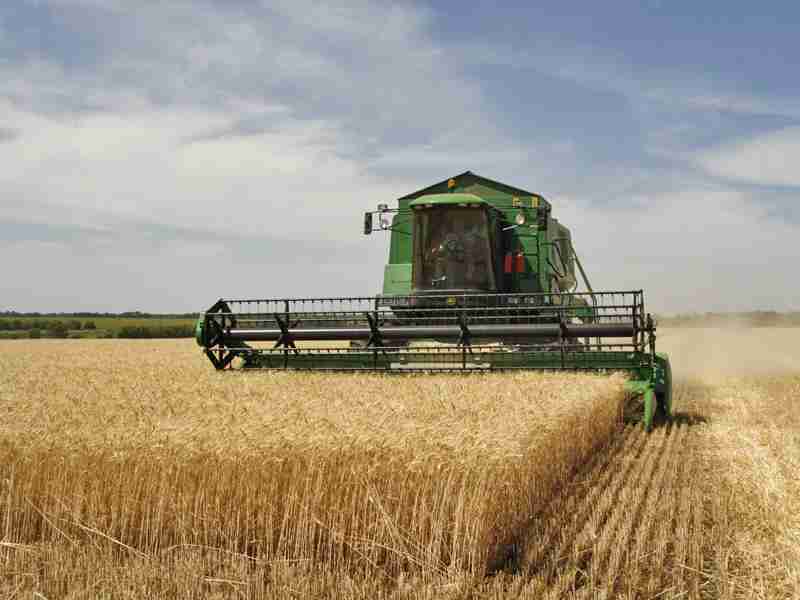
Corn collection has witnessed a revolution with the advent of advanced harvesting techniques and state-of-the-art technologies. Modern combines equipped with GPS technology and automated controls have streamlined the harvesting process, ensuring maximum efficiency and minimal waste. These machines not only optimize timing by monitoring weather patterns but also adjust their speed and cutting height based on the crop conditions. Furthermore, innovations such as precision agriculture have allowed farmers to collect data on soil health, moisture levels, and crop density, making it easier to determine the ideal moments for harvest.
In addition to machinery advancements, post-harvest technologies play a pivotal role in ensuring corn quality and sustainability. For example:
- Drying Systems: Advanced drying systems maintain ideal moisture levels to preserve kernel integrity.
- Storage Solutions: Smart silos equipped with sensors monitor temperature and humidity, protecting against spoilage.
- Biotechnology: Genetic advancements have led to drought-resistant corn varieties, boosting yield potential in challenging climates.
| Technology | Impact |
|---|---|
| GPS-Controlled Combines | Improved efficiency and reduced crop loss |
| Soil Moisture Sensors | Optimized irrigation practices |
| Automated Sorting Machines | Increased consistency in quality |
From Kernel to Product: The Processing Journey and Its Environmental Impact
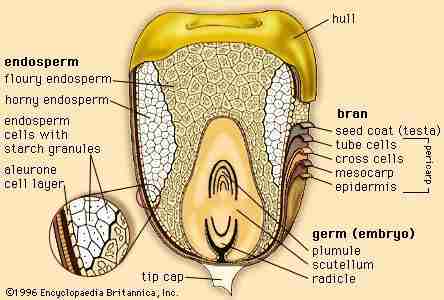
The journey of corn from its early origins in the field to its final destination on your plate is a complex tapestry woven with productivity and environmental challenges. Farmers begin with diligent cultivation practices, ensuring the soil is rich and ready for the seeds. As the crops grow, various methods of sustainable farming, such as crop rotation and integrated pest management, play a crucial role in preserving the ecosystem. Once harvested, corn enters processing facilities where it undergoes multiple transformation stages, including drying, milling, and refining. These processes can affect the environmental footprint significantly, as they often require energy-intensive machinery and substantial water resources. Despite these challenges, the industry is increasingly recognizing the need to innovate by adopting renewable energy sources and waste reduction techniques aimed at minimizing environmental repercussions.
The impact of processing corn extends to the entire supply chain, influencing not just the environment but also food safety and quality. Understanding these effects is vital for consumers and producers alike. Here’s a glimpse into some of the key factors associated with corn processing:
| Factor | Impact |
|---|---|
| Energy Use | High energy consumption during processing stages. |
| Water Consumption | Significant water usage for processing and cooling. |
| Waste Generation | Byproducts can contribute to waste unless recycled or repurposed. |
| Carbon Footprint | Transportation and processing contribute to emissions. |
Furthermore, the journey of corn emphasizes the growing necessity for consumers to be aware of their food sources and production techniques. By understanding the implications of corn processing, individuals can make informed choices that align with sustainable practices. The emphasis on transparency in supply chains has prompted many companies to embrace eco-friendly initiatives, showing a commitment not just to product quality but also to environmental stewardship. As we continue to explore this journey, it becomes increasingly apparent that each kernel of corn holds the potential for both nourishment and environmental responsibility.
Nourishing the Future: Sustainable Practices and Consumer Choices in Corn Utilization
As we delve into the realm of sustainable corn utilization, it’s essential to highlight the pivotal role that both agricultural practices and consumer choices play in this journey. Innovative farmers are now integrating crop rotation, cover cropping, and minimal tillage into their routines to foster healthier soils and reduce dependency on chemical inputs. This eco-conscious shift not only enhances biodiversity but also ensures that the land remains productive for future generations. By harnessing technology, farmers can precisely monitor soil health and moisture levels, optimizing yields while reducing waste and environmental impact.
Equally vital is the part consumers play in this transformation. By choosing products that are certified organic or sustainably sourced, individuals can support responsible farming practices that prioritize environmental stewardship. Moreover, the rise of local food movements encourages farm-to-table initiatives, creating shorter supply chains that diminish carbon footprints. Below is a simple comparison of various corn-based products and their sustainability credentials:
| Product | Organic Option | Sustainability Impact |
|---|---|---|
| Sweet Corn | Available | Low pesticide usage |
| Cornmeal | Yes | Supports local farmers |
| Corn Oil | Yes | Less water-intensive |
| High Fructose Corn Syrup | No | Higher carbon footprint |
By being informed and making conscientious choices, consumers can drive demand for sustainable practices, thus encouraging more farmers to adopt eco-friendly methods. This partnership between producers and consumers forms the backbone of a resilient food system, setting a precedent for sustainability while prioritizing the health of our planet.
Insights and Conclusions
As we conclude our exploration of corn processing, it becomes clear that this versatile grain is much more than a staple on our plates; it is a testament to innovation and collaboration at every stage of its journey. From the sun-drenched fields where it begins its life to the intricate processes that convert it into a myriad of products, corn embodies the complex interplay between agriculture and technology. Understanding this journey not only deepens our appreciation for the food we consume but also underscores the vital role that sustainable practices and advancements play in shaping our agricultural future. As we savor corn in all its myriad forms—from flaky tortillas to sweet corn syrup—let us remain mindful of the intricate processes and the dedicated hands that work tirelessly to bring this golden grain to our forks. In every bite, we taste a legacy, a commitment to nourishment, and a vision for a sustainable tomorrow.




