
In the dynamic landscape of agricultural production, efficiency and innovation play a pivotal role in shaping the future of food processing. Enter the 4 Ton rice mill plant—a remarkable fusion of technology and tradition designed to elevate rice milling to unprecedented heights. In a world where the demand for quality grains continues to surge, this state-of-the-art facility redefines productivity, blending cutting-edge machinery with time-honored techniques. As we peel back the layers of this modern marvel, we explore how the 4 Ton Rice Mill Plant is not just a feat of engineering, but a transformative force that promises to enhance output, reduce waste, and empower farmers. Join us on this journey as we uncover the intricacies and innovations that come together to create a new paradigm in rice milling.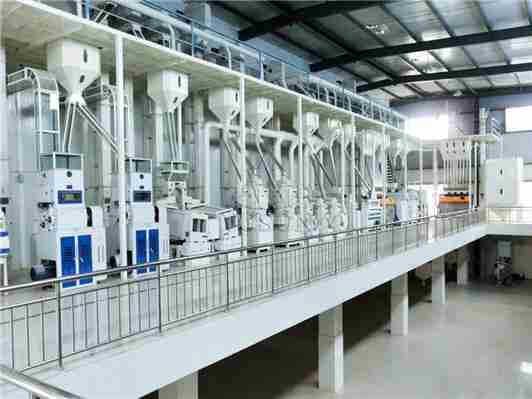
Exploring the Core Features of the 4 Ton Rice Mill Plant
The 4-ton rice mill plant stands out with its remarkable array of features designed for optimal efficiency and productivity. Central to its function is the automated milling technology, which minimizes human intervention, ensuring a consistent output of high-quality rice. This advancement not only enhances the milling process but also reduces the chances of contamination and waste, making it a sustainable choice for modern agriculture. Key features include:
- High milling efficiency: Achieves up to 70% milling rate.
- Energy-saving motors: Designed for optimal energy consumption.
- User-friendly interface: Easy operation for staff training.
- Durable construction: Built to last with corrosion-resistant materials.
In addition to its core functionalities, the plant incorporates advanced quality control systems that ensure every grain meets stringent standards. This attention to detail is not only pivotal for maintaining quality but also for meeting market demands. Another noteworthy aspect is customizable capacity options, allowing producers to scale operations according to their needs. Below is a simple table comparing the plant’s key specifications:
| Feature | Specification |
|---|---|
| Milling Capacity | 4 tons per hour |
| Power Supply | 15 HP |
| Dimensions | 10m x 6m x 5m |
| Weight | 3000 kg |
Maximizing Efficiency Through Advanced Technology
The integration of cutting-edge technology into the 4 Ton rice mill plant transforms traditional milling processes into streamlined operations. With state-of-the-art machinery and automated systems, the plant ensures that each grain is processed with utmost precision. Leveraging technology not only enhances the quality of the final product but also significantly reduces operational downtime, thereby boosting overall productivity. Each component of the mill has been meticulously selected to contribute to an optimized workflow, resulting in:
- Increased throughput by minimizing bottlenecks.
- Real-time monitoring of machinery performance to predict maintenance needs.
- Reduced labor costs by automating routine tasks.
- Enhanced energy efficiency through smart technology integrations.
The plant’s advanced features also include an intuitive control system that allows operators to manage multiple processes from a single interface. This level of integration not only simplifies operations but also empowers users with data-driven insights to make informed decisions. Below is a comparison of traditional milling versus the modern approach facilitated by the 4 Ton rice mill plant:
| Aspect | Traditional Milling | Modern 4 Ton Rice Mill |
|---|---|---|
| Processing Time | Longer due to manual checks | Quick with automated processes |
| Quality Control | Periodic testing | Continuous monitoring |
| Labor Requirement | High | Reduced |
| Energy Consumption | Higher | Optimized and lower |

Navigating Operational Costs for Sustainable Growth
As industrial operations evolve, understanding the intricacies of operating costs takes center stage in achieving a competitive edge. By strategically analyzing and implementing sustainable practices, operators of a 4-ton rice mill plant can significantly enhance their profitability. Key areas to focus on include:
- Energy Efficiency: Transitioning to energy-efficient machinery can drastically reduce electricity consumption and yield substantial long-term savings.
- Supply Chain Management: Integrating a streamlined logistics system reduces waste and enhances product flow, ultimately lowering transportation costs.
- Maintenance Programs: Regularly scheduled maintenance minimizes downtime and prolongs equipment life, thereby optimizing production cycles.
- Waste Minimization: Implementing practices that recycle by-products not only cuts disposal costs but can also introduce additional revenue streams.
Understanding and managing operational costs in the rice milling industry is not merely about expenditure; it’s about strategic investments that pave the way for sustainable growth. Through the adoption of innovative technologies and practices, companies can create a holistic approach to managing financial resources. Here’s a snapshot of how these investments can lead to measurable outcomes:
| Investment Area | Potential Savings | Impact on Production |
|---|---|---|
| Energy-Efficient Machinery | Up to 30% reduction in costs | Increased production capacity |
| Logistics Optimization | 10% reduction in waste | Faster delivery times |
| Preventive Maintenance | 15% decrease in equipment failures | Consistent production flow |
Best Practices for Maintenance and Longevity of Your Rice Mill Solutions
Maximizing the performance and lifespan of your rice mill plant is crucial for ensuring consistent productivity. Regular maintenance can prevent costly breakdowns and improve efficiency. A well-established maintenance schedule should include:
- Frequent inspection of machinery components for wear and damage.
- Routine lubrication of moving parts to minimize friction and heat buildup.
- Cleanliness checks of the milling areas to prevent contamination and ensure product quality.
- Regular calibration of machinery settings for optimal output.
Utilizing quality spare parts during replacements is essential, as this not only enhances performance but also supports longevity. Moreover, operators should undergo training to properly handle operations and emergencies, reducing the risk of misuse that can lead to wear and tear.
In addition to mechanical care, maintaining a conducive environment for your rice mill greatly impacts its efficiency. Temperature and humidity control are essential in keeping the machinery in top condition. Consider incorporating the following practices:
- Keep the mill plant well-ventilated to prevent overheating.
- Monitor humidity levels to avoid condensation that can lead to corrosion.
- Implement pest control measures to protect machinery and stored rice.
Proper organizational practices, such as tracking maintenance activities in a simple table format, can enhance awareness among team members about upcoming schedules. An example of such a table could be:
| Maintenance Task | Frequency | Responsible Person |
|---|---|---|
| Machine Inspection | Monthly | John Doe |
| Lubrication | Weekly | Jane Smith |
| Calibration Check | Quarterly | Jim Brown |
In Conclusion
the unveiling of the 4 Ton rice mill plant marks a pivotal moment in the evolution of rice processing technology. By marrying innovation with efficiency, this state-of-the-art facility is set to redefine productivity in the agricultural sector. As we navigate an era where sustainable practices and economic viability increasingly dictate market success, the 4 Ton Rice Mill Plant stands as a beacon of advancement, promising not only higher yields but also enhanced quality.
As rice cultivators and processors embrace this remarkable leap forward, they position themselves at the forefront of a rice revolution, equipped to meet the demands of a growing global market. The future of rice milling is here, and with it, an invitation for all stakeholders to explore new horizons in productivity, sustainability, and profitability. With each grain processed, the 4 Ton rice mill plant not only transforms raw resources into valuable products but also cultivates a vision for a more prosperous, food-secure world.



