
Unveiling the Magic: How Rice Polishers Transform Grains
In the heart of many kitchens around the world, grains reign supreme—a staple that nourishes and sustains. Yet, beneath their humble exterior lies a journey of transformation that is often overlooked. Enter the rice polisher, a remarkable machine that brings out the best in this versatile grain. With a gentle touch, it enhances the aesthetic appeal and nutritional value of rice, turning each kernel into a gleaming gem ready for culinary exploration. In this article, we delve into the intricate dance of mechanics and artistry that rice polishers perform, uncovering the science behind their operation and the impact they have on the grains we consume. Join us as we explore how these unsung heroes unveil the magic hidden within the simple grain, elevating it from ordinary to extraordinary.
The Art of Grain Refinement: Understanding Rice Polishing Techniques
Polishing rice is an artistry that marries tradition with innovation, transforming humble grains into culinary masterpieces. At the heart of this process lies a variety of techniques, each designed to enhance the texture, flavor, and visual appeal of rice. The journey begins with the selection of grains, where factors such as grain type, harvest quality, and moisture content play a pivotal role. Once the ideal rice is chosen, the polishing begins. Several methods are employed, ranging from the traditional hand-polishing with light abrasives to advanced mechanical systems that use controlled friction and temperature to refine the grains delicately.
Each technique produces unique characteristics in the finished product. For example, some methods focus on minimal polishing, retaining the nutritive bran layers, while others aim for a high-gloss finish, perfect for presentation. Here’s a quick overview of popular rice polishing techniques:
- Hand Polishing: A traditional method that retains flavor and nutrients.
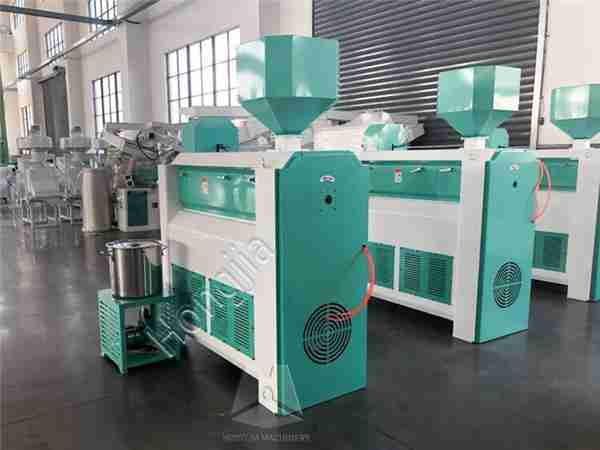
- Mechanical Polishing: Utilizes machines to achieve uniformity and shine.
- Water Polishing: Involves water to help remove bran without excessive abrasion.
The Anatomy of a Rice Polisher: Mechanisms and Innovations
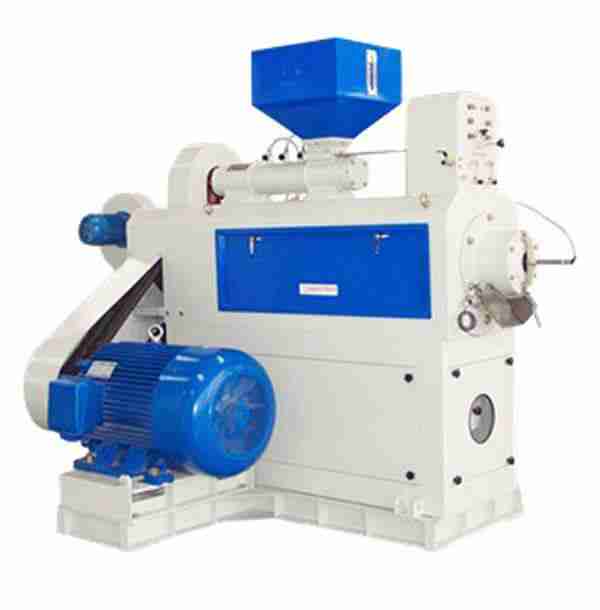
At the heart of each rice polisher lies a complex interplay of components designed to elevate the humble grain. These machines incorporate abrasive materials that gently remove the outer layers, including the chaff, bran, and other waste. This polished finish not only enhances the grain’s aesthetic appeal but also improves its storage qualities and extends its shelf life. Key elements of this process are:
- Abrasion Chamber: The zone where rice grains undergo effective scrubbing.
- Airflow System: Generates suction to remove residual particles post-polishing.
- Control Panel: Facilitates precise adjustments to milling settings for different rice types.
The recent innovations in rice polishing technology have given rise to superior models featuring digital controls and sensor-based technology. These advancements not only improve consistency but also optimize energy efficiency—critical in today’s environmentally-conscious landscape. Key breakthroughs include:
| Innovation | Description |
|---|---|
| Smart Sensors | Monitor moisture content for optimal polishing conditions. |
| Variable Speed Motors | Allow tailored polishing speeds based on grain type. |
| Eco-Friendly Designs | Reduce energy consumption while maintaining efficiency. |
Selecting the Right Rice Polisher for Your Needs
When navigating the world of rice polishers, it’s essential to consider various factors that will yield the best results for your specific needs. Understanding your grain type is the first step; not all rice varieties require the same polishing intensity. For instance, a robust polisher suited for brown rice may not be appropriate for delicate jasmine or basmati rice. Capacity also plays a crucial role. If you’re running a small-scale operation, a compact machine may suffice, whereas larger producers or restaurants may benefit from machines with higher throughput capabilities. Don’t forget to examine features like energy efficiency and ease of use, as these can significantly impact daily operations.
Additionally, it’s vital to evaluate the price-to-performance ratio of different machines. A more expensive polisher may offer advanced features, but for smaller users, a budget-friendly option may be just as effective. Considering after-sales support can also save time and money in the long run. Here are key aspects to remember when selecting a rice polisher:
- Type of Rice: Choose a machine compatible with the grains you work with.
- Polishing Method: Look for machines that utilize gentle polishing techniques to preserve grain quality.
- Maintenance Needs: Assess the ease of cleaning and upkeep for lasting performance.
- Durability: Opt for robust builds that withstand frequent use.
Ultimately, a meticulous approach to choosing a rice polisher can lead to a future of perfectly polished grains, enhanced flavors, and satisfied customers. Understanding not only the specifications but also the overall functionality of the machine will afford you the flexibility needed to adapt to any culinary endeavor.
Maximizing Quality: Best Practices for Polishing Rice at Home
When it comes to elevating the quality of rice at home, the process of polishing is both an art and a science. The key lies in using the right techniques and tools to enhance the natural flavors and textures. Choose high-quality rice to start with; varieties such as Basmati or Jasmine offer unique qualities that are further amplified through proper polishing. Using an appropriate rice polisher ensures even polishing and can significantly improve the overall quality of your grains. Community-driven practices suggest that incorporating a combination of polishing agents, like natural oils or fine grains, can also yield better results by minimizing breakage and maintaining the integrity of each kernel.
In the quest for polished perfection, establishing a routine can make all the difference. Here are some best practices to consider:
- Gradual polishing: Start with a light polish and gradually increase the intensity to avoid damage.
- Soaking before polishing: Soaking rice briefly can help reduce surface friction, leading to a smoother finish.
- Use of water: Adding water while polishing can prevent overheating and preserve the rice’s natural nutrients.
- Frequent monitoring: Keep a check on the texture and color of the rice to stop the process at the right moment.
To assist you in understanding the benefits of polished rice, consider the following table that highlights the differences between polished and unpolished grains:
| Criteria | Polished Rice | Unpolished Rice |
|---|---|---|
| Color | White | Brown or Semi-brown |
| Texture | Smooth | Chewy and nutty |
| Nutritional Value | Lower in fiber | Higher in vitamins and minerals |
| Cooking Time | Faster | Longer |
To Wrap It Up
As we draw the curtain on the remarkable journey of rice polishing, it becomes evident that these unassuming machines perform a vital role far beyond mere aesthetics. By transforming rough grains into gleaming jewels of the culinary world, rice polishers reveal both the artistry and science embedded in our food production processes. The intricate balance between technology and tradition ensures that every polished grain retains the essence of its wholesome beginnings while embodying the promise of nourishment and culinary delight. As you savor your next bowl of rice, take a moment to appreciate the invisible hands—namely, the rice polishers—that have worked tirelessly to bring these grains to your table, making each bite not only a taste of nature’s bounty but a testament to human ingenuity. In this dance of craftsmanship and innovation, we find not just grains transformed, but a deeper understanding of the intricate tapestry that is our food journey.



