
In a world where innovation reshapes the very fabric of agriculture, the humble grain has found itself at the forefront of a technological revolution. Enter the automatic rice mill—a marvel of engineering that embodies the fusion of tradition and modernity. As millions rely on rice as a staple food, the demand for efficiency, quality, and sustainability in grain processing has never been greater. This article explores the transformative impact of automatic rice mills, illuminating how these advanced machines are not only streamlining production but also empowering farmers and enhancing food security. Join us as we delve into the intricacies of this rise, uncovering the benefits, challenges, and future potential of automatic rice milling in a rapidly evolving agricultural landscape.
Embracing Innovation in Grain Processing Technology
In the ever-evolving landscape of agriculture, the introduction of automatic rice mills signifies a transformative era in grain processing technology. These sophisticated machines leverage advanced engineering to streamline production, enhancing efficiency while maintaining high-quality outputs. With features such as automated pressure control, real-time monitoring systems, and environmental sensors, these mills minimize human error and labor costs while maximizing productivity. The integration of IoT (Internet of Things) technology allows for data-driven decisions, enabling farmers and mill operators to optimize every aspect of their operations, from grain selection to the milling process itself.
Moreover, the capabilities of automatic rice mills extend beyond mere efficiency; they also promote sustainability within the agricultural sector. By reducing waste and energy consumption, these machines contribute to a greener future. A closer look at the benefits highlights their role in community development and food security:
| Benefit | Description |
|---|---|
| Increased Efficiency | Rapid processing times reduce lead time from harvest to market. |
| Higher Yield | Advanced milling technology preserves more grain, resulting in less waste. |
| Labor Reduction | Automation decreases dependency on manual labor, increasing profitability. |

Enhancing Efficiency and Sustainability with Automatic Rice Mills
The adoption of automatic rice mills marks a significant shift towards improved efficiency in grain processing. These advanced machines streamline the entire milling process, minimizing the need for manual labor and reducing the risk of human error. The integration of smart technology allows for quicker processing times, resulting in larger yields while ensuring that the quality of the rice remains intact. Additionally, these systems utilize energy-efficient designs, which not only lower production costs but also contribute to better resource management. The ease of operation means that even small-scale farmers can access cutting-edge milling technology, leading to more equitable growth in agricultural sectors.
Moreover, automatic rice mills bring a sustainable approach to grain processing. By employing precision milling techniques, these machines optimize output while minimizing waste. Farmers can expect to see reduced levels of broken rice, which often result from traditional milling methods. Automatic systems also incorporate eco-friendly practices, such as using renewable energy sources and materials to reduce their carbon footprint. The following table illustrates some of the key sustainability benefits associated with using automatic rice mills:
| Benefit | Description |
|---|---|
| Energy Efficiency | Utilizes less energy compared to traditional methods. |
| Waste Reduction | Minimizes by-products and maximizes usable grain. |
| Lower Carbon Footprint | Incorporates alternative energy sources and recyclable materials. |
| Enhanced Longevity | Built with durable components that require less frequent replacement. |
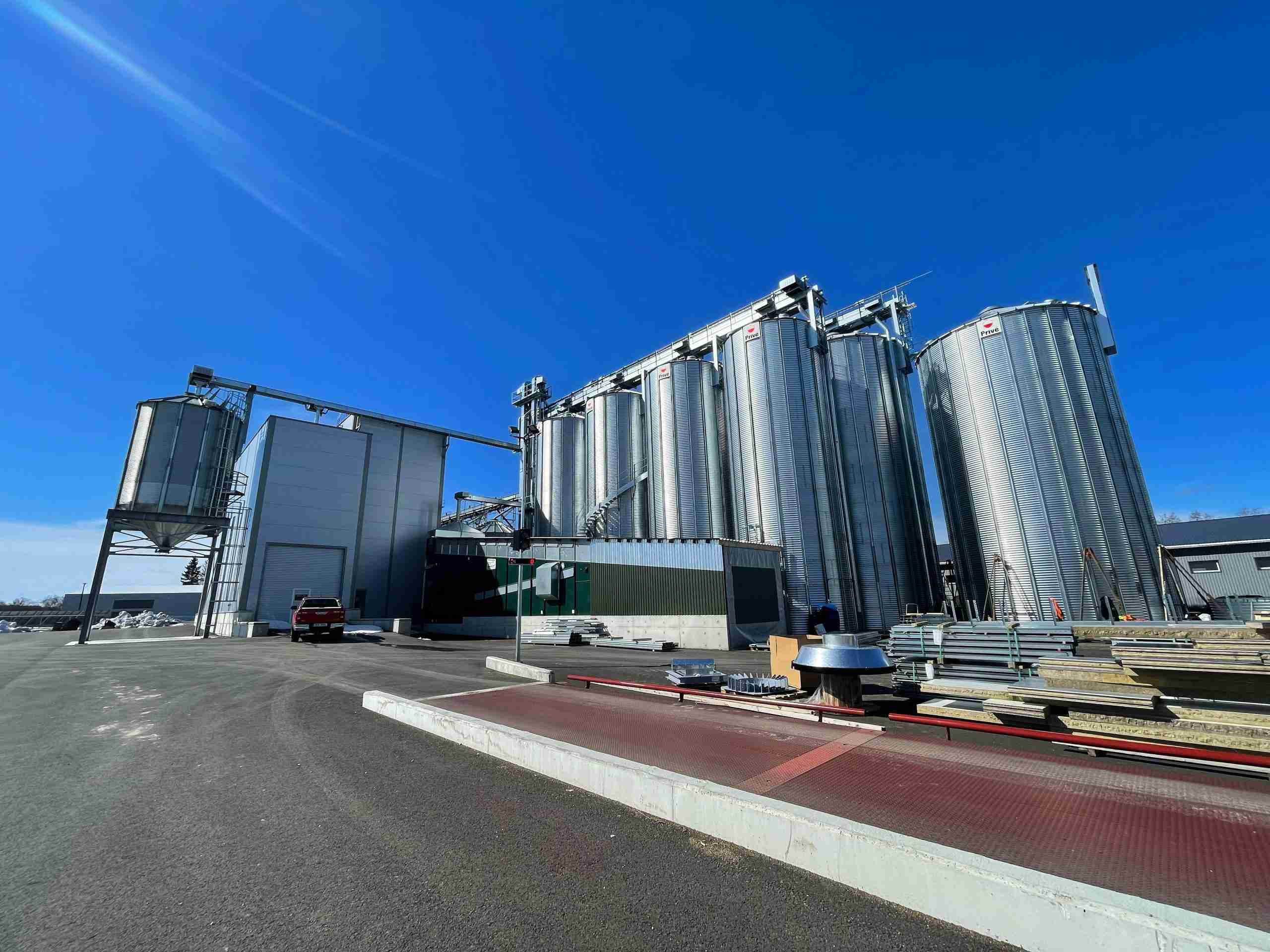
Navigating the Economic Landscape of Automated Grain Operations
The integration of automated technology into grain operations has ushered in a new economic paradigm, fundamentally shifting how producers approach their processes. With rising labor costs and increasing demand for efficiency, many businesses are investing in automatic rice mills to remain competitive. These automated systems significantly reduce labor input while optimizing yield and improving quality. The capital required for such state-of-the-art technology may seem daunting, yet the return on investment (ROI) can be substantial, transforming the operational landscape for grain producers.
As these advancements become more prevalent, several factors are shaping the economic landscape of automated grain operations:
- Cost Reduction: Minimizing operational expenses by decreasing labor needs and enhancing processing speed.
- Quality Control: Ensuring superior quality grain through precise milling techniques, leading to better market prices.
- Sustainability: Reducing waste and energy consumption aligns with global sustainability goals, appealing to eco-conscious consumers.
| Factor | Impact |
|---|---|
| Labor Efficiency | Up to 50% reduction in labor costs. |
| Processing Time | Enhances throughput by 30%. |
| Product Quality | Improvement by 20% in product grading. |
Future Trends in Automated Rice Milling and Market Adaptation
The landscape of rice milling is poised for a transformation driven by technological advancements and heightened market demands. Key trends reshaping automated rice milling processes include the integration of IoT (Internet of Things) technology, which allows for real-time monitoring and data analytics to optimize production efficiency and grain quality. Emphasizing sustainability, automated mills are incorporating bioenergy systems that utilize waste products, significantly reducing the carbon footprint while enhancing operational cost-effectiveness. As consumer preferences shift towards organic and premium rice varieties, they’ll also witness the rise of precision milling techniques that focus on enhancing grain texture and nutritional value, ensuring alignment with health-conscious trends.
In addition to embracing innovation, the rice milling industry must adapt its market strategies to retain competitiveness. This involves leveraging automation technologies to streamline supply chain processes as demand fluctuates, ensuring timely delivery and freshness. Mills can also benefit from investing in diversified product lines, offering specialty grains or value-added products that cater to niche markets. Below is a table illustrating potential opportunities within emerging markets:
| Market Segment | Opportunities |
|---|---|
| Health-Conscious Consumers | Organic and fortified rice options |
| Eco-Friendly Market | Products from sustainable milling practices |
| Global Cuisine | Specialty rice varieties catering to culinary trends |
By focusing on these trends and adapting to changing market needs, rice mills can position themselves not just as suppliers, but as essential contributors to a sustainable and innovative agricultural ecosystem.
The Conclusion
As we stand on the cusp of a new era in agricultural innovation, the automatic rice mill beckons with the promise of efficiency, sustainability, and enhanced productivity. This remarkable advancement not only serves to ease the burdens faced by farmers but also plays a pivotal role in addressing the ever-growing demand for quality rice in a rapidly changing world. By harnessing technology, we are not merely processing grain; we are cultivating a future where food security is within reach for all.
As we look ahead, embracing these transformative changes will require collaboration among technologists, farmers, and policymakers alike. The automatic rice mill is more than just machinery; it symbolizes a shift towards smarter farming practices that honor tradition while elevating productivity. As we revolutionize grain, let us remember that every kernel processed is a step towards nourishing communities and sustaining livelihoods.
In this journey towards progress, may we remain committed to innovation that respects the earth and its resources, ensuring that the fruits of our labor can be enjoyed by generations to come. In the hands of the modern farmer, the automatic rice mill is not merely a tool, but a testament to our shared vision of a resilient agricultural landscape. The future of grain is here—let us embrace it.



