
In a world increasingly focused on health and nourishment, the humble grain often takes center stage as a staple of our diets. Rice, in particular, has captured the attention of culinary enthusiasts and health-conscious individuals alike, revered not only for its versatility but also for its rich nutritional profile. Yet, beyond its culinary appeal lies a turning point in how we process and enjoy this ancient grain—enter the rice polisher. As a powerful tool in the grain industry, rice polishers are revolutionizing the way we approach our favorite foods, enhancing flavors, textures, and nutrient retention. But what is the science behind this transformative equipment? Join us as we delve into the fascinating world of rice polishing, unraveling the intricate processes that breathe new life into grains and uncovering the benefits that await both chefs and home cooks. Whether you are a seasoned rice aficionado or a curious newcomer, understanding the art and science of rice polishers will elevate your culinary experience and deepen your appreciation for the grain on your plate.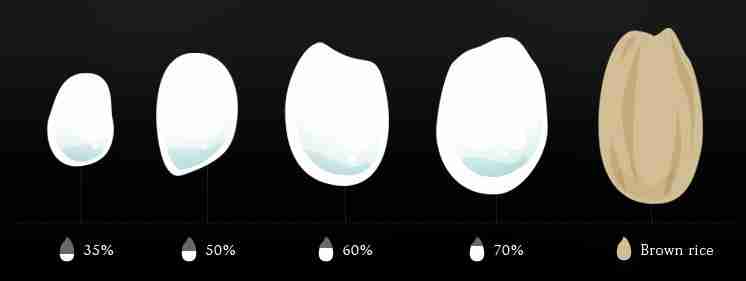
Understanding the Fundamentals of Rice Polishing and Its Impact on Grain Quality
Rice polishing is a critical process that significantly influences the quality and appeal of rice grains. This technique primarily involves the removal of the outer bran layer and other impurities, resulting in a cleaner and more aesthetically pleasing product. The process not only enhances the grain’s visual appeal but also affects its cooking characteristics and nutritional profile. The extent of polishing can lead to different types of rice, including white rice, which is a staple in many diets, and brown rice, which retains more nutrients due to less processing. Key factors to consider during rice polishing include:
- Degree of polishing: Levels can range from a light polish to a complete abrasion, affecting taste and texture.
- Quality of machinery: Advanced rice polishers utilize technology to minimize loss of nutrients while ensuring a polished finish.
- Time and pressure: The duration and force applied during polishing can directly influence the grain’s physical properties.
Further, the impact of rice polishing on grain quality can be quantified through several measurable factors such as grain yield, nutritional content, and overall cooking performance. A well-polished grain typically has a higher shine and a more uniform appearance, improving market value. However, excessive polishing can lead to the loss of essential vitamins and minerals primarily found in the bran. The following table presents a comparison of various types of polished rice:
| Type of Rice | Polishing Level | Nutritional Benefits |
|---|---|---|
| White Rice | High | Low fiber, high starch |
| Brown Rice | Low | High fiber, rich in vitamins |
| Parboiled Rice | Medium | Retains nutrients, less sticky |
Exploring the Nutritional Benefits of Polished Rice for Modern Diets
Polished rice, often regarded as a staple in many diets, offers a unique array of nutritional benefits that can enhance modern eating habits. Unlike its less processed counterparts, polished rice is typically milled for improved appearance and texture, making it a versatile ingredient in a variety of dishes. While this processing removes some fiber and certain nutrients found in brown rice, polished rice shines in its ability to offer easily digestible carbohydrates that provide a quick energy boost. Its mild flavor allows it to adapt seamlessly to numerous culinary applications, from savory stir-fries to comforting rice puddings.
Moreover, polished rice holds its own in the nutrient arena, especially when fortified with essential vitamins and minerals. Many brands enhance their rice with added nutrients like iron, folic acid, and B vitamins, making it a more appealing option for those seeking to balance their diets. The following nutrients typically found in polished rice can contribute to overall health:
| Nutrient | Benefit |
|---|---|
| Iron | Supports healthy blood circulation |
| Folic Acid | Promotes cellular growth and repair |
| B Vitamins | Enhances metabolism and energy production |
When integrated into a balanced meal plan, polished rice can serve as a wholesome foundation that complements a plethora of ingredients, providing both texture and sustenance. Its functionality in diverse cuisines makes it a strategic addition to the pantries of those eager to maintain not only tradition but also nutritional variety.

Innovative Technologies in Rice Polishers: Enhancing Efficiency and Flavor
In the realm of grain processing, modern rice polishers have emerged as game-changers, leveraging cutting-edge technologies to enhance both the efficiency of production and the flavor profile of rice. These innovations include features such as high-precision grinding mechanisms that utilize advanced algorithms to determine the optimal pressure and duration for polishing. By ensuring uniform removal of bran and impurities, these machines not only boost yield but also preserve the essential nutrients that contribute to the rice’s flavor and texture. Furthermore, the integration of smart sensors allows for real-time monitoring, which adjusts the polishing parameters based on the rice variety and moisture content, ensuring a customized approach to processing.
Additionally, the latest rice polishers incorporate eco-friendly designs that minimize energy consumption and waste. Many units employ airflow technology to maintain the quality of polished rice while conserving power, creating a win-win for both producers and consumers. The modern polishers also emphasize user-friendly interfaces, making it easier for operators to access customizable settings and track performance metrics effortlessly. As a result, the benefits are twofold: improved product quality and greater operational throughput. The following table highlights some of the key technological features in innovative rice Polishers:
| Feature | Description |
|---|---|
| High-Precision Grinding | Optimizes polishing duration for uniform quality. |
| Smart Sensors | Adjusts settings based on rice variety and moisture. |
| Airflow Technology | Maintains quality while reducing energy consumption. |
| User-Friendly Interfaces | Streamlines operation and enhances performance tracking. |
Practical Tips for Choosing the Right Rice Polisher for Home Use
When selecting a rice polisher for home use, it’s essential to consider your specific needs and expectations. First, think about the quantity of rice you typically prepare. If you’re a small family or single person, a compact model that handles small batches efficiently may be ideal. Conversely, larger households or frequent entertainers might prefer a commercial-grade polisher that offers higher capacity and faster results. Second, evaluate the features that matter most to you. Some polishers come with advanced settings for different rice types, while others might focus on energy efficiency or ease of use. Investing in a model with adjustable polishing levels can also yield better texture and flavor tailored to your preference.
In addition to capacity and features, it’s crucial to consider the material and build quality of the rice polisher. Look for models made from durable, food-grade materials that ensure longevity and safety. Next, check for user-friendly designs—you want a polisher that is straightforward to clean and maintain. Customer reviews can provide invaluable insights into real-world performance and reliability. Ultimately, making an informed decision will help you find a rice polisher that elevates your culinary experience, allowing you to enjoy the full benefits of freshly polished grains in your meals.
Insights and Conclusions
As we arrive at the conclusion of our exploration into the world of rice polishers, it becomes abundantly clear that this seemingly simple kitchen tool holds remarkable potential for enhancing both the quality and nutritional value of rice. Far beyond its traditional use, the process of polishing grains brings forth a multifaceted dialogue between ancient practices and modern scientific advancements.
By understanding the delicate balance between refining grains and preserving their essential nutrients, we can embrace a more mindful approach to our culinary choices. In a world that’s constantly evolving, the science behind rice polishing serves as a reminder of the importance of harmonizing traditional wisdom with innovative techniques.
As you step into your kitchen with this newfound knowledge, consider how you might revitalize your grains and, in doing so, enrich your meals and nourish your body. Whether you’re a culinary enthusiast or a health-conscious consumer, the evolution of rice polishers invites us all to appreciate the intricate journey from paddies to plate. Embrace the science; savor the transformation.



