
Transforming Grain: The Journey of Paddy Processing Factories
In the heart of agricultural landscapes, where golden fields sway gently in the breeze, lies a world of transformation that begins with a humble seed. This is the story of paddy processing factories, vital hubs in the journey from farm to table, where the raw power of nature meets innovative technology. As rice emerges as one of the world’s most essential staple foods, understanding the processes, challenges, and innovations within these factories unveils the intricate tapestry of grain production. From the moment harvested paddy enters the factory gates to the polished grains ready for market, each step is a testament to the marriage of tradition and modernity. Join us as we delve into the fascinating journey of paddy processing, exploring the machinery, methods, and the dedicated workforce that turn nature’s bounty into a meal that nourishes millions.
Understanding the Paddy Lifecycle from Field to Factory
The journey of paddy from lush green fields to the bustling factories is a fascinating narrative of transformation and precision. When rice plants, grown in flooded paddies, reach maturity, the harvesting process begins. Farmers manually or mechanically cut the stalks, ensuring minimal grain loss. The freshly harvested paddy undergoes a post-harvest phase marked by crucial steps:
- Drying: To prevent spoilage, harvested paddy is dried under the sun or mechanical dryers until the moisture content reaches an optimal level.
- Thresher Processing: The dried paddy is then fed into threshing machines that separate the grains from the husks.
- Cleaning: The threshed grains are cleaned to remove debris, dust, and any remaining husk.
Once the paddy is prepared, it embarks on its next leg towards milling factories, where it undergoes several advanced processing techniques. Factories are equipped with state-of-the-art machinery designed to enhance efficiency and maintain quality. This stage involves:
- Milling: The cleaned grains are milled to remove the husk, yielding brown rice, and undergo further processing to produce white rice.
- Polishing: The rice is polished to improve appearance and shelf life.
- Packing: processed rice is packaged and labeled for distribution.
Here’s a simple overview of the transformation stages:
| Stage | Process |
|---|---|
| Harvesting | Collecting mature paddy from the fields |
| Processing | Drying, threshing, and cleaning the grains |
| Milling | Removing husk and polishing grains |
| Packing | Sealing and labeling for market distribution |

Innovative Techniques for Efficient Milling and Processing
Modern paddy processing factories have embraced a variety of innovative techniques that not only enhance efficiency but also minimize waste, redefining the grain milling landscape. One such technique is the use of intelligent automation systems, which streamline operations by optimizing machinery performance and reducing manual labor. These systems utilize real-time data analytics to monitor grain quality and adjust processing parameters accordingly, ensuring a consistent final product. Additionally, the implementation of energy-efficient machinery significantly decreases energy consumption, leading to a lower carbon footprint while also cutting operational costs.
The integration of advanced separation technologies, such as air classification and optical sorting, has revolutionized the way paddy is processed. By employing these methods, factories can achieve superior separation of husk, bran, and white rice, enhancing overall yield rates. Furthermore, water and waste recycling systems are gaining traction, allowing for the repurposing of by-products into value-added items, such as biofuel or animal feed. This holistic approach not only maximizes resource utilization but also adheres to sustainable practices that meet the growing demand for environmentally responsible food production.
| Technique | Benefits |
|---|---|
| Intelligent Automation | Enhances precision and reduces labor costs |
| Energy-Efficient Machinery | Decreases operational expenses and carbon emissions |
| Advanced Separation Technologies | Improved yield rates and product quality |
| Water and Waste Recycling | Maximizes resource utilization and promotes sustainability |
Quality Control Measures for Superior End Products
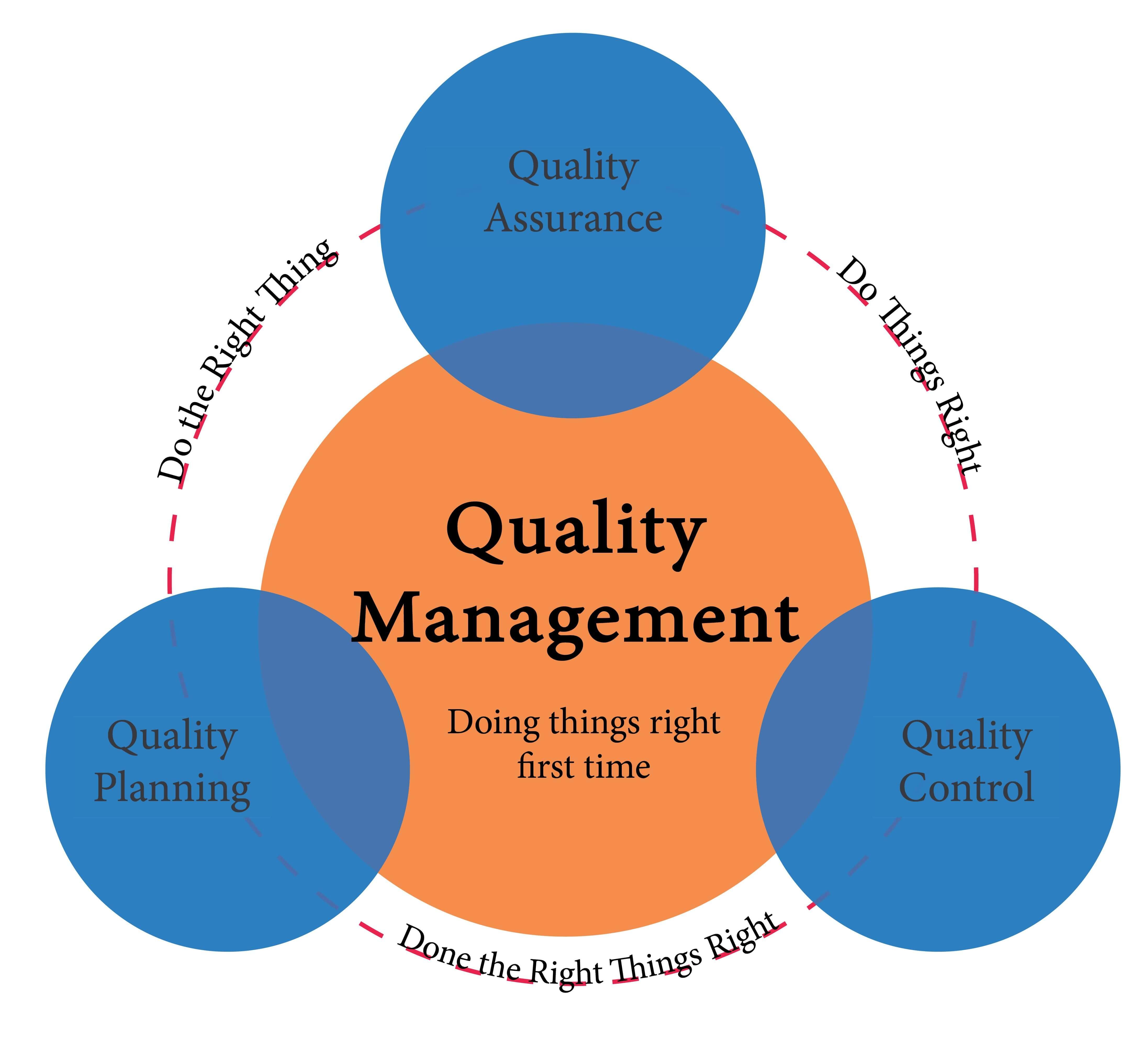
Ensuring the highest quality of end products in paddy processing requires a cohesive approach rooted in meticulous attention to detail at every stage of production. Factories implement stringent inspection protocols to monitor raw materials before they even enter the processing stage. From moisture content analysis to calibrating machinery for optimum operation, these measures safeguard the integrity of grain. The importance of staff training in quality control cannot be overstated; staff equipped with the right knowledge can detect and rectify potential issues before they escalate. This fosters a culture of vigilance that permeates every aspect of operation.
Furthermore, embracing advanced technology plays a pivotal role in maintaining product excellence. Automated systems can monitor real-time data regarding grain quality, processing speed, and environmental factors, enabling operators to make informed decisions quickly. Regular audits and assessments are also conducted to ensure all machinery adheres to industry standards. The following table summarizes key quality control measures:
| Quality Control Measure | Description |
|---|---|
| Raw Material Inspection | Assessing moisture, color, and overall quality. |
| Employee Training | Equipping staff with essential quality control knowledge. |
| Automation | Utilizing technology to monitor and adjust processing parameters. |
| Regular Audits | Conducting routine checks to ensure compliance with standards. |
Sustainable Practices in Paddy Processing Operations
In the journey of paddy processing, adopting eco-friendly practices is becoming increasingly essential. By implementing sustainable techniques, factories can significantly reduce their carbon footprint while optimizing resource usage. A few noteworthy methods include:
- Water Conservation: Utilizing water-efficient milling technologies and implementing rainwater harvesting systems can minimize water wastage.
- Waste Management: By recycling husks and bran, facilities can generate biomass energy, reducing reliance on fossil fuels and minimizing waste.
- Energy Efficiency: Upgrading to energy-efficient machinery and using renewable energy sources, such as solar power, can dramatically lower energy consumption.
Moreover, a collaborative approach among local farmers and processors can enhance sustainability. Engaging in practices such as:
- Crop Rotation: Encouraging farmers to rotate crops can improve soil health and reduce dependency on chemical fertilizers.
- Organic Farming: Supporting organic farming methods can create a sustainable supply chain that benefits both the environment and community health.
- Fair Trade Practices: Promoting fair trade can empower local communities and ensure that the financial benefits of paddy processing are shared equitably.
These sustainable practices not only pave the way for a more environmentally responsible industry but also foster a renaissance in local economies and agricultural systems.
In Retrospect
As the sun sets over the verdant rice fields, the journey of paddy—transformed from humble grain to a staple of global cuisine—continues to unfold within the walls of processing factories. These facilities embody the intersection of tradition and innovation, where age-old techniques harmoniously blend with modern technology to enhance efficiency, sustainability, and quality. The pulse of rural economies beats steadily with the rhythm of machinery and labor, as skilled hands and advanced tools work in concert to deliver the nourishment that sustains populations worldwide.
In observing the intricate pathways of paddy processing, we gain insight not only into the arduous labor involved but also into the broader implications for food security, sustainable agriculture, and economic development. This journey is a testament to human ingenuity and resilience, reflecting a commitment to transforming raw materials into life-sustaining products that nourish our bodies and bolster our communities.
As we conclude our exploration of paddy processing factories, let us appreciate the complexities behind each grain of rice on our plates. From farm to factory and ultimately to the dining table, every step in this journey is a crucial link in a vast and intricate food network. By fostering a greater awareness of these processes, we can cultivate a deeper respect for the labor that feeds us and the mindful choices we make in our consumption.



