
In a world increasingly defined by the quest for sustainability and efficiency, the agricultural sector is not exempt from innovation. Among the transformative trends reshaping traditional farming practices, the rise of mini rice mill plants stands out as a beacon of progress. These compact, user-friendly facilities are revolutionizing the rice milling process, offering small-scale farmers and entrepreneurs alike an opportunity to enhance productivity while minimizing waste. As agriculture grapples with challenges of resource scarcity and evolving market demands, mini rice mills emerge as efficient solutions that align with the goals of both economic viability and environmental stewardship. This article explores the factors contributing to their rise, the benefits they offer, and the implications for the future of rice production.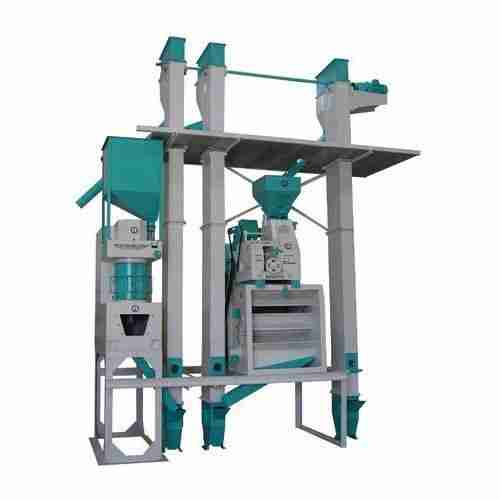
Advantages of mini rice mill Plants in Sustainable Agriculture
mini rice mill plants are becoming increasingly popular in sustainable agriculture due to their ability to enhance efficiency while minimizing environmental impact. Unlike traditional mills, these compact systems are designed to process rice with higher yield efficiency, which means less wastage of raw materials. This efficiency not only supports local economies by providing farmers with a reliable market for their produce but also contributes to the conservation of resources. Furthermore, many mini mills are engineered to use less energy and water, aligning their operations with sustainable practices that prioritize environmental health. By adopting these modern setups, farmers can effectively reduce their carbon footprint while maximizing their agricultural outputs.
Additionally, mini rice mill plants can provide significant economic advantages for small-scale farmers. These facilities are generally more affordable and easier to maintain than larger operations, often requiring less capital investment. Local ownership fosters regional self-sufficiency, allowing communities to retain more profits within the agricultural sector. With simplified technology, farmers can gain access to training and knowledge, empowering them to operate their mills effectively. The result is a cycle of growth where farmers not only ensure fresh, quality produce for their local markets but also engage in sustainable practices that protect their land for generations to come.

Key Technological Innovations Driving mini rice mill Efficiency
As the agricultural landscape evolves, mini rice mills are increasingly adopting cutting-edge technologies to enhance operational efficiency and productivity. Automated milling systems are at the forefront of this innovation, utilizing sensors and data analytics to optimize the grinding process. By monitoring grain moisture levels and adjusting parameters in real-time, these systems not only maximize yield but also reduce waste. Additionally, energy-efficient motors and compact designs minimize power consumption while maintaining robust milling capabilities, making them economically viable for small-scale farmers.
Furthermore, advancements in digital interfaces and mobile applications provide operators with valuable insights and control over their milling processes. These technologies enable real-time monitoring of performance metrics, which aids in proactive maintenance and reduces downtime. The integration of solar power solutions is also gaining traction, allowing mills to harness renewable energy sources. This not only cuts operational costs but also supports sustainable practices within the agricultural sector. Below is a summary table highlighting some of these key innovations:
| Innovation | Benefits |
|---|---|
| Automated Milling Systems | Increased yield, reduced waste |
| Energy-efficient Motors | Lower power consumption |
| Digital Interfaces | Real-time monitoring and control |
| Solar Power Solutions | Cost savings, sustainability |

Best Practices for Implementing mini rice mill Plants
Implementing a mini rice mill plant can significantly improve the efficiency and productivity of rice processing operations. To ensure a successful setup, consider the following best practices: site selection is crucial; choose a location that offers easy access to paddy sources and markets, minimizing transportation costs. Optimal machinery selection is also vital; invest in high-quality equipment that matches the scale of production and energy consumption requirements. Additionally, enhance your operational workflow by arranging machinery in a logical sequence to maximize efficiency and reduce downtime.
Another important aspect to focus on is skilled workforce training. Providing comprehensive training for your employees can lead to improved operational standards and product quality. Additionally, establish strong quality control measures to ensure consistency in the final product. Implement regular maintenance schedules for machinery to prevent breakdowns and increase longevity. Furthermore, consider collaborating with local farming communities for a steady supply of raw materials while promoting sustainable practices through a circular economy approach.
Future Trends: The Evolving Landscape of Rice Milling Technology
The rice milling industry is experiencing a paradigm shift as mini rice mill plants gain prominence, driven by technological advancements and the increasing demand for efficient, sustainable production methods. These compact systems are not just meeting the operational needs of small to medium-sized farmers but are also redefining the economic landscape of rice processing. With the integration of automation and precision agriculture technologies, mini rice mills are becoming more user-friendly and cost-effective, allowing for better yield and quality control. The future promises an even more streamlined approach with the incorporation of IoT (Internet of Things) and AI (Artificial Intelligence), which will revolutionize the way milling operations are monitored and managed.
Moreover, the trend towards sustainability and resource efficiency in rice milling cannot be ignored. As environmental concerns continue to rise, producers are actively seeking solutions that minimize waste and energy consumption. Mini rice mills are designed with features that enhance sustainability, including:
- Energy-efficient engines to reduce fuel consumption.
- Waste recycling systems for husks and by-products.
- Modular designs that allow for easy upgrades and scalability.
This evolution not only promotes eco-friendliness but also enhances the economic viability of smallholder farmers, empowering them to contribute to the global rice supply while maintaining their livelihoods. The future landscape of rice milling technology is poised to be a convergence of efficiency, sustainability, and technological integration, paving the way for a new era in agricultural processing.
In Conclusion
the rise of mini rice mill plants marks a transformative shift in the agricultural landscape, offering efficient solutions that cater to the demands of modern rice production. By harnessing the power of compact technology, these innovative facilities provide small-scale farmers with the means to optimize their operations and enhance profitability. As we navigate the complexities of food security and sustainability, the advent of mini rice mills serves as a beacon of hope—bridging the gap between traditional practices and contemporary needs.
As we look to the future, the potential for these plants to revolutionize local economies and empower rural communities is immense. Whether through improving processing efficiency, reducing post-harvest losses, or enabling better market access, mini rice mills embody a promising avenue for growth. As this trend continues to rise, it invites us to rethink our approach to agriculture, emphasizing the symbiotic relationship between innovation and tradition.
So, as we witness this evolution in rice milling, let us embrace the possibilities it presents. The future of agriculture is indeed bright, with mini rice mill plants leading the charge toward a more efficient, sustainable, and equitable food system.



