
Unlocking Potential: The Journey of a Paddy Processing Unit
In the heart of rural landscapes, where emerald fields stretch as far as the eye can see, a transformative story unfolds—the journey of a paddy processing unit. This tale goes beyond the mechanical processes of milling and packaging; it dives deep into the essence of agriculture, community development, and sustainable practices. As we embark on this exploration, we uncover the intricate layers that define a paddy processing unit—not merely as a hub of productivity, but as a catalyst for economic growth and social change. From the initial stages of rice cultivation, through the intricacies of processing, to the final product enjoyed on countless tables, join us in unraveling the potential that lies within these units. Together, let’s discover how innovation and tradition converge to shape the future of agrarian societies, enhancing livelihoods and unlocking the true potential of one of the world’s staple crops.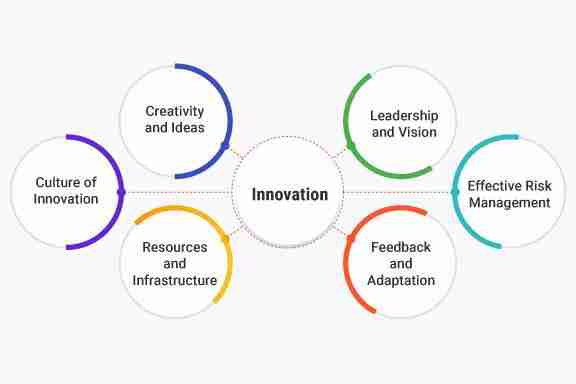
Harnessing Innovation for Optimal Paddy Processing
In the quest for maximizing efficiency, paddy processing units are now embracing cutting-edge technological advancements that redefine traditional methods. These innovations not only enhance productivity but also ensure superior quality in every grain. Among the most impactful technologies are:
- Automated Milling Systems: Streamlining operations through precision and speed, reducing human error.
- IoT Integration: Leveraging data analytics for real-time monitoring, maintenance, and quality control.
- Eco-Friendly Practices: Implementing waste-reduction techniques and sustainable practices that protect the environment.
Moreover, the incorporation of these innovations lies at the heart of a dynamic paddy processing landscape. As units adapt to consumer demands, they are also focusing on the economic aspect of their operations:
| Aspect | Innovation Impact |
|---|---|
| Cost Reduction | Lower operational costs through energy-efficient machinery. |
| Quality Improvement | Enhanced grain quality due to precision milling technologies. |
| Market Competitiveness | Faster processing times allow for quicker delivery to market. |
Through such transformative efforts, the journey of a paddy processing unit is not just about processing rice but rather about reshaping an entire industry. The future looks promising as the integration of innovation continues to redefine what is possible in paddy processing, setting new standards for quality and sustainability that benefit producers and consumers alike.

Enhancing Efficiency through Sustainable Practices
In the evolving landscape of agriculture, adopting eco-friendly methodologies has become indispensable. By implementing sustainable practices, the paddy processing unit not only enhances its operational efficiency but also minimizes its environmental footprint. The move towards energy-efficient machinery and waste reduction techniques can lead to a more streamlined process. For instance, utilizing renewable energy sources like solar panels or biomass can significantly reduce reliance on conventional energy, thereby lowering operational costs over time. Such practices foster a culture of responsibility while simultaneously boosting productivity.
Moreover, optimizing water usage and recycling by-products contributes to a more sustainable workflow. The integration of innovative systems allows for the collection and treatment of wastewater, turning a potential liability into a valuable resource for irrigation or other operational needs. Some highlights of these practices include:
- Water Conservation: Implementing drip irrigation and rainwater harvesting.
- Zero Waste Goal: Committing to composting and reusing by-products.
- Community Engagement: Collaborating with local suppliers for sustainable sourcing.
Through these holistic approaches, the unit not only supports environmental sustainability but also positions itself as a leader in efficient agricultural practices, setting a standard for others in the industry.

Building Community Partnerships for Growth and Resilience
Collaborative efforts between local stakeholders are essential to build a strong support network for initiatives like a paddy processing unit. These partnerships create a robust platform for exchanging resources, knowledge, and skills. Engaging with various community members, including farmers, local governments, and educational institutions, enhances the unit’s sustainability. Key strategies include:
- Networking Events: Organizing regular gatherings to foster relationships and share insights.
- Joint Workshops: Developing training programs that enhance skills and promote innovation in paddy processing.
- Shared Resources: Pooling tools and facilities to lower operational costs and increase efficiency.
Additionally, setting up a structured feedback mechanism ensures that community voices are heard and incorporated into decision-making processes. By actively involving local residents in the journey of the processing unit, it not only cultivates a sense of ownership but also enhances problem-solving capabilities. A simple overview of potential community roles includes:
| Community Member | Potential Role |
|---|---|
| Farmers | Suppliers of raw paddy and local expertise |
| Local Government | Regulatory support and funding assistance |
| Educational Institutions | Research collaboration and skill development |
Navigating Challenges and Seizing Opportunities in the Industry
In the evolving landscape of the rice processing industry, navigating the complexities of production and market demands can be a daunting task. Challenges such as volatile raw material prices, labor shortages, and stringent quality standards often loom over small to medium-sized paddy processing units. To stay afloat, businesses must embrace innovation and adaptability. Leveraging advanced technology for automation, employing sustainable practices, and fostering a skilled workforce can dramatically improve efficiency and product quality. However, it’s essential to recognize that every challenge also presents a unique opportunity to rethink operational strategies and enhance competitive advantages.
Moreover, tapping into emerging markets can offer a wealth of potential for growth and expansion. By identifying and analyzing trends such as organic products and ethnic cuisines, paddy processing units can align their offerings to meet changing consumer preferences. Consider the advantages of establishing partnerships with local farmers to ensure a steady supply of quality paddy, or exploring value-added products like rice flour and snacks, diversifying the product line while appealing to broader demographics. Embracing a forward-thinking approach will not only mitigate current challenges but also unlock new pathways for sustained success.
| Challenges | Opportunities |
|---|---|
| Volatile Raw Material Prices | Long-term contracts with farmers |
| Labor Shortages | Investing in automation technology |
| Quality Standards | Generating premium branded products |
To Conclude
As we draw the curtains on this exploration of the Paddy Processing Unit, it becomes clear that the journey of unlocking potential is not just about the machinery and technology involved, but also the dedication and innovation of the people behind it. Each step in the process—from the cultivation of the rice to the final packaging—embodies a blend of tradition and modernity, creating a sustainable cycle that nourishes both communities and economies.
In unlocking the potential of paddy processing, we glimpse a future where agricultural advancements are harmonized with eco-friendly practices, fostering resilience against the ever-changing backdrop of the global market. This journey reminds us that, much like the grains we process, potential lies dormant within us all, waiting for the right conditions to flourish. As we move forward, may we embrace the creative spirit of progress, ensuring that every small step contributes to a larger narrative of growth and sustainability in agriculture.
Thank you for joining us on this insightful voyage—together, let us continue to unlock the potential that lies ahead.



