
In a world increasingly defined by the need for efficiency and sustainability, the journey from farm to table has never been more crucial. Amidst this complex supply chain, paddy processing units stand as pivotal players, transforming raw grains into the staple foods that sustain millions. These units do not merely serve as conduits for agricultural output; they embody the delicate balance of technology, tradition, and innovation that drives the rice industry forward. As we delve into the vital role of these processing hubs, we will explore how they unlock efficiency and contribute to economic stability, food security, and environmental sustainability. Join us on this exploration of paddy processing units, where precision meets purpose in the heart of our food systems.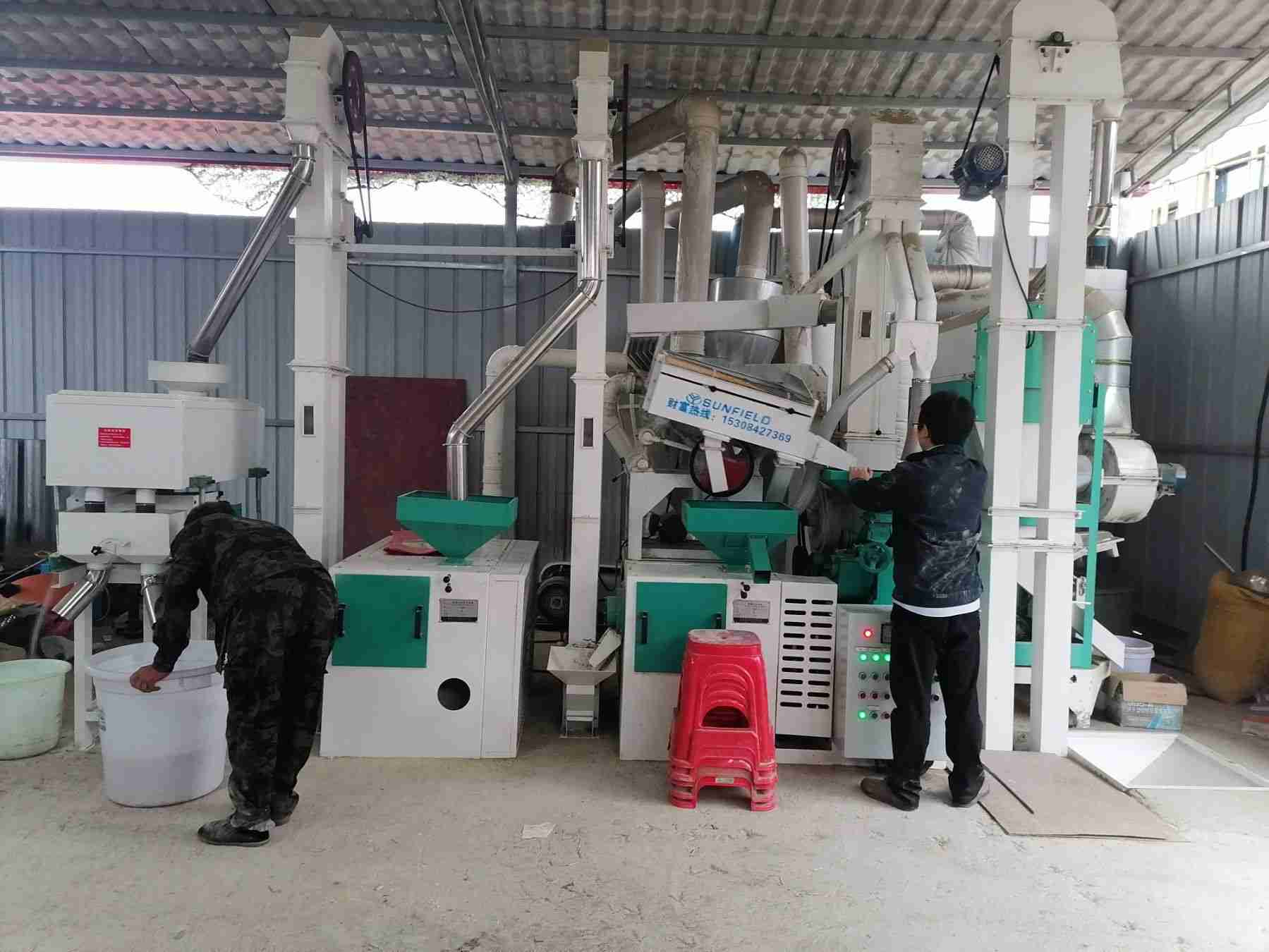
Paddy Processing Units: A Cornerstone of Agricultural Productivity
Paddy processing units play an integral role in enhancing the productivity of the agricultural sector, particularly in rice cultivation. Through the implementation of modern techniques, these facilities help in transforming raw paddy into high-quality rice, effectively meeting both local and global demand. The advantages provided by such units are multifaceted, including:
- Value addition: By refining paddy, these units increase its market value, enabling farmers to earn higher incomes.
- Quality control: Advanced processing methods ensure that the final product is free from impurities, thereby enhancing food safety and consumer acceptance.
- Waste reduction: Efficient processing maximizes the use of paddy, converting husk and bran into useful by-products.
- Employment generation: Paddy processing units create numerous job opportunities, contributing to local economic growth.
Moreover, the role of paddy processing units extends beyond mere production; they are pivotal in establishing a sustainable agricultural ecosystem. These units often incorporate environmentally friendly technologies, which minimize waste and energy consumption. To illustrate the impact of these facilities, consider the following table showcasing key performance indicators:
| Indicator | Impact |
|---|---|
| Paddy sourced | Increased by 30% year-on-year |
| Production efficiency | Improved by 40% with new technology |
| Waste utilization | Utilization of 85% of by-products |
This conjunction of technology and sustainability not only supports agricultural growth but also aligns with global efforts towards food security. paddy processing units embody the intersection of innovation and productivity, proving essential for the future of agriculture.

Innovative Techniques for Streamlining Paddy Processing Operations
Employing cutting-edge technologies in paddy processing can significantly enhance operational efficiency and reduce waste. One of the most promising approaches involves automating several stages of the processing line. By integrating machines equipped with smart sensors and artificial intelligence, paddy processing units can ensure precise moisture control, optimal milling times, and consistent quality checks throughout the process. This not only accelerates the workflow but also minimizes human error, ensuring a higher grade of final product.
Another innovative technique gaining traction is the implementation of environmentally sustainable practices within paddy processing units. These include using renewable energy sources such as solar panels and biogas systems, which can drastically decrease reliance on traditional fossil fuels. Additionally, the use of advanced water management systems efficiently recycles water used during processing. A summary of key techniques showcasing their benefits is presented in the table below:
| Technique | Benefits |
|---|---|
| Automation | Increased efficiency and reduced human error |
| Smart Sensors | Precise monitoring for optimal quality control |
| Renewable Energy | Lower operational costs and reduced carbon footprint |
| Water Recycling Systems | Sustainable use of resources and cost savings |
Enhancing Quality and Reducing Waste in Rice Production
The integration of paddy processing units plays a significant role in the agricultural ecosystem, particularly in amplifying the quality of rice while simultaneously minimizing waste. By adopting advanced technologies and innovative practices in these facilities, farmers can transform freshly harvested paddy into high-quality rice that meets both market demands and nutritional standards. The utilization of specialized milling equipment ensures that grains are processed efficiently, preserving essential nutrients and flavor while reducing the likelihood of damage, which often leads to waste. Effective post-harvest management techniques within these units create a streamlined process that ultimately contributes to the sustainability of rice production.
Furthermore, the introduction of rigorous quality control measures within processing units fosters a culture of excellence. Regular assessments and certifications guarantee that rice meets stringent quality benchmarks, benefiting not only the farmers but also consumers. This commitment can be enhanced through the implementation of practices such as:
- Automated Sorting: Minimizes human error and maximizes efficiency by ensuring only the best grains proceed to packaging.
- Waste Reduction Systems: Allows for the recovery of by-products, turning potential waste into valuable resources like rice bran for oil extraction.
- Training Programs: Equip workers with knowledge on the latest processing techniques and maintenance practices, ensuring a higher yield and quality output.
| Process Step | Key Benefit |
|---|---|
| Harvesting | Optimal grain maturity |
| Drying | Prevents spoilage and maintains quality |
| Milling | Ensures maximum yield with minimal broken grains |
| Packaging | Preserves freshness and protects from external factors |
Future Trends in Paddy Processing: Embracing Technology for Sustainable Growth
The landscape of paddy processing is experiencing a profound transformation driven by technological advancements. Automation and data analytics are increasingly taking center stage, allowing for a more streamlined and efficient approach to processing. By integrating smart machinery that utilizes artificial intelligence and machine learning algorithms, producers can optimize every stage of production—from milling to packaging. This shift not only boosts output but also ensures higher quality products through real-time monitoring and adjustments. The introduction of Internet of Things (IoT) devices enhances operational visibility, enabling processors to track equipment performance and maintain maintenance schedules, thereby reducing downtime and costs.
In addition to automation, sustainability has become a pivotal aspect of modern paddy processing. By adopting renewable energy sources and implementing eco-friendly practices, processing units are not just enhancing their operational efficiency but also contributing to environmental conservation. Technologies such as biomass energy systems and water recycling methods are gaining traction, promoting a circular economy within the agricultural sector. Furthermore, the use of precision agriculture techniques assists farmers in maximizing their yield while minimizing waste, thus fostering a more sustainable and responsible approach to rice production. The future is bright for paddy processing as industries embrace innovation to meet the demands of a growing population and an increasingly eco-conscious market.
| Technology | Benefits |
|---|---|
| Artificial Intelligence | Enhances decision-making and quality control |
| IoT Devices | Improves equipment monitoring and maintenance |
| Biomass Energy | Reduces carbon footprint and energy costs |
| Water Recycling Systems | Conserves water and minimizes waste |
Wrapping Up
the journey through the world of paddy processing units reveals the intricate dance between tradition and technology. These units stand as the unsung heroes of the agricultural landscape, transforming raw grains into essential food staples while ensuring minimal waste and maximum nutritional value. As we unlock the potential of these processing facilities, we not only enhance food security but also empower local economies, bolster sustainability, and preserve the rich cultural heritage of rice cultivation.
The road ahead may be paved with challenges, but the innovations in paddy processing offer a beacon of hope for a more efficient and sustainable future in agriculture. As we embrace new techniques and practices, we honor the age-old significance of rice in our diets while paving the way for advancements that benefit everyone—from farmers to consumers.
In the grand tapestry of our food systems, paddy processing units are a thread of vital importance, weaving efficiency, quality, and resilience into the fabric of global agriculture. As we continue to explore and invest in these transformative facilities, we take meaningful strides toward a future where food production is not only abundant but also sustainable and equitable for generations to come.



