
Unlocking the Grain: The Essential Role of Rice Milling Units
In the heart of agriculture, where the golden fields sway gently under the sun, one staple grain reigns supreme: rice. It’s more than a dietary essential; rice serves as a cultural cornerstone for billions, gracing tables and kitchens across the globe. Yet, the journey from paddy to plate is far from straightforward. At the crux of this transformation lies a vital yet often overlooked player—the rice milling unit. These facilities are not merely processing hubs; they are the gatekeepers of quality, efficiency, and innovation in the rice supply chain. In this article, we delve into the indispensable role of rice milling units, exploring how they unlock the grain’s potential and sustain communities, economies, and culinary traditions worldwide. Join us as we uncover the mechanics behind these crucial operations and their far-reaching impacts on food security and agricultural sustainability.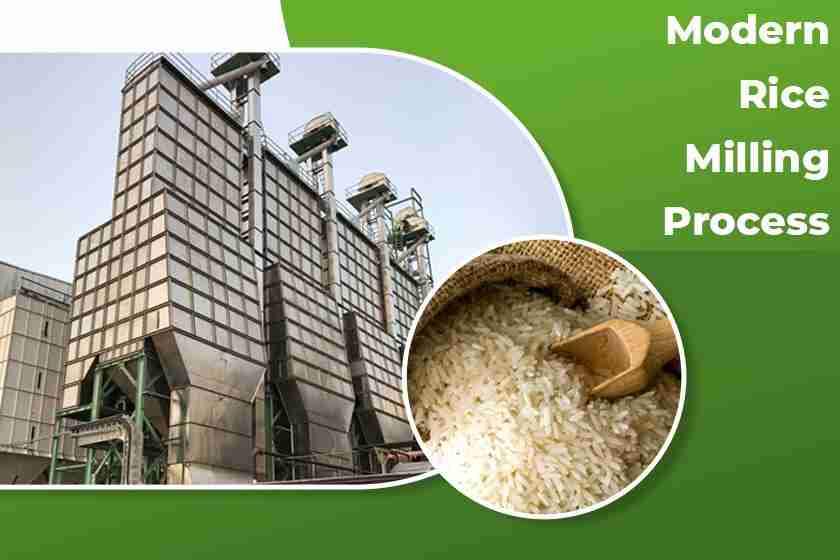
Understanding the Rice Milling Process and Its Impact on Quality
The rice milling process is a meticulous journey that transforms harvested paddy into the polished grains that are a staple in diets worldwide. This process involves a series of stages, starting with cleaning and hulling, where impurities are removed, and the outer hull is separated from the grain. Subsequent steps like milling and polishing refine the rice further, enhancing its visual appeal and palatability. Each phase is critical as it not only dictates the final appearance of the grain but also significantly influences its nutritional profile and cooking characteristics.
Factors such as moisture content, milling techniques, and duration of polishing play vital roles in determining the quality of the final product. For instance, excessive milling can result in the loss of essential nutrients; thus, the balance between quality and quantity must be carefully managed. The quality of the processed rice can be categorized based on various attributes including whiteness, broken grain percentage, and taste, all of which impact consumer satisfaction and marketability. Below is a simplified overview of these quality metrics:
| Quality Attribute | Description |
|---|---|
| Whiteness | Degree of brightness of the rice grain, indicating the level of milling. |
| Broken Grain Percentage | Proportion of broken grains after milling; lower values are preferred. |
| Taste | Flavor profile that varies based on milling and polishing methods. |

Innovative Technologies Driving Efficiency in Rice Milling Units
In the quest for optimized productivity, rice milling units are increasingly adopting cutting-edge technologies that enhance operational efficiency and quality. One such technology is the automated sorting system, which employs advanced sensor and imaging systems to identify and separate defects in real-time, ensuring only the highest quality grains are processed. This not only reduces waste but also elevates the market value of the final product. Additionally, the implementation of IoT (Internet of Things) devices allows for seamless monitoring and data collection across the milling process, providing operators with insights that lead to improved decision-making and maintenance schedules.
Moreover, the integration of energy-efficient machinery has become paramount in rice milling operations. Energy consumption is a significant operational cost, and modern milling units are turning to high-efficiency motors and variable frequency drives to minimize energy use. This transition not only reduces expenses but also supports sustainable practices in agriculture. Furthermore, the use of modern cleaning technologies, including air classifiers and pneumatic systems, removes impurities more effectively, contributing to higher-quality rice. These innovations reflect a trend towards addressing both economic and environmental challenges in the rice milling industry.
| Technology | Benefits |
|---|---|
| Automated Sorting System | Reduces waste, enhances grain quality |
| IoT Devices | Improves monitoring & decision-making |
| Energy-Efficient Machinery | Minimizes energy costs, promotes sustainability |
| Modern Cleaning Technologies | Enhances impurity removal, increases quality |

Sustainable Practices for Greener Rice Milling Operations
In today’s world, where environmental concerns are paramount, rice milling operations can adopt various sustainable practices to minimize their ecological footprint. One effective method is the implementation of energy-efficient machinery, which significantly reduces electricity consumption during the milling process. Upgrading to modern equipment not only enhances productivity but also promotes cleaner production. Additionally, integrating solar panels can provide an alternative energy source, ensuring that the milling units operate sustainably while cutting down costs. Other measures include optimizing water usage by recycling water through closed-loop systems, ultimately conserving this precious resource.
Furthermore, waste management offers an array of sustainable solutions for rice milling. By utilizing rice husks as biomass fuel, mills can create self-sustaining energy systems that reduce reliance on fossil fuels. The establishment of partnerships with local farmers for by-product utilization further supports a circular economy, turning waste into valuable resources. These joint efforts contribute not just to sustainability, but also foster community engagement and economic well-being. Incorporating environmental audits to assess and monitor the ecological impact of milling operations can guide continuous improvements and bolster a commitment to sustainable practices.
| Practice | Description |
|---|---|
| Energy Efficiency | Upgrade to modern, energy-efficient machinery to reduce electricity consumption. |
| Renewable Energy | Install solar panels to harness renewable energy sources. |
| Water Conservation | Implement water recycling systems to minimize water usage. |
| Waste Utilization | Use rice husks as fuel and collaborate with farmers for biomass energy solutions. |
| Environmental Audits | Conduct regular audits to assess and guide sustainability improvements. |
Economic Benefits of Investing in Modern Milling Equipment
Investing in modern milling equipment can significantly enhance operational efficiency and boost profitability in the rice milling industry. By utilizing advanced technology, rice millers can achieve higher extraction rates and enhanced quality, which ultimately leads to increased customer satisfaction. The integration of automation in the milling process not only reduces labor costs but also minimizes human error, thereby improving the overall consistency of the product. Furthermore, modern mills often incorporate energy-efficient systems, helping to lower utility bills and reduce the carbon footprint of milling operations.
The economic benefits don’t stop at operational efficiencies; they extend to market competitiveness as well. When rice milling units invest in state-of-the-art technology, they can produce rice that meets international quality standards, expanding their market reach. This often translates into higher profit margins due to access to lucrative export markets. Additionally, the implementation of modern milling equipment can facilitate quicker turnaround times, allowing businesses to respond swiftly to market demands. This agility not only improves cash flow but also positions companies favorably against competitors in a rapidly evolving industry.
Wrapping Up
the significance of rice milling units transcends the boundaries of mere agricultural machinery; they are the vital link that connects farmers to markets, tradition to innovation, and sustenance to community. By unlocking the grain, these units not only enhance the quality and marketability of rice but also empower local economies and preserve cultural heritage associated with rice cultivation. As we look towards the future, understanding and investing in efficient milling practices will be paramount in addressing food security, economic stability, and the evolving demands of a global population. The journey of rice—from paddy to plate—depends on the dedication and innovation of those who operate and improve these essential units. Thus, in unlocking the grain, we unlock potential, opportunity, and the promise of a sustainable future for all.



