
Unlocking the Secrets of Paddy Processing: A Journey Through Rice
In the heart of rural landscapes, where emerald-green fields stretch as far as the eye can see, a quiet revolution unfolds with every harvest season. The humble paddy, a crucial staple for billions worldwide, undergoes an intricate transformation from its raw state to the versatile grains that grace our tables. Yet, behind this seemingly simple process lies a complex tapestry of tradition, science, and innovation, interwoven with the lives of countless farmers and workers.
This article invites you to embark on a journey through the captivating world of rice processing, peeling back the layers to reveal the secrets held within each grain. From the sun-soaked fields to the husking machines, we will explore the methods and machinery that have evolved over centuries, uncovering how these advancements enhance quality and sustainability. Join us as we navigate the rich history and modern techniques of paddy processing, celebrating the dedication and craftsmanship that ensures this vital food source continues to nourish the world.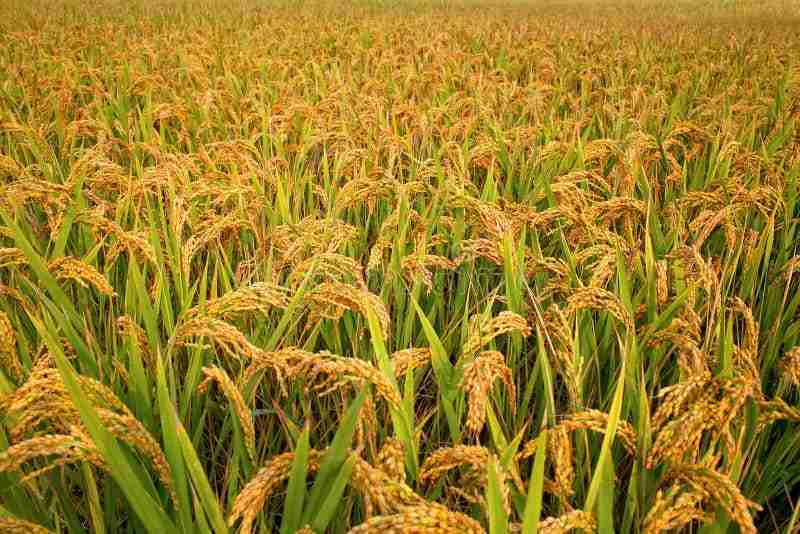
Understanding the Paddy Journey from Field to Table
The journey of paddy begins in lush green fields, where dedicated farmers sow the seeds in carefully prepared paddies. Once the rice plants reach maturity, they are harvested, often bringing with them the sweet scent of earthy grains mingled with the aroma of freshly turned soil. This initial phase is crucial as it sets the stage for the transformation of paddy into rice. After harvesting, the paddy undergoes a series of steps to convert it into a form that’s ready for consumption, including drying, milling, and polishing. Each step is designed to enhance the quality and flavor of the final rice product, ensuring it reaches the consumer with all its nutritional benefits intact.
The processing stage showcases the meticulous methods involved in transforming paddy. Key steps include:
- Drying: Reduces moisture levels to prevent spoilage.
- Milling: Involves removing the outer husk and bran layers.
- Polishing: Enhances appearance and texture.
- Grading: Sorts the rice based on size and quality.
This complex process not only ensures the rice is safe for consumption but also preserves its taste and nutritional properties. The final product can be further categorized into various types, such as white rice, brown rice, and specialty rice, each offering unique flavors and health benefits. Understanding this journey is essential for appreciating the efforts behind every grain of rice that grace our tables.
| Rice Type | Key Characteristics |
|---|---|
| White Rice | Soft texture, quick cooking time, widely used in meals. |
| Brown Rice | High in fiber, nutty flavor, requires longer cooking. |
| Basmati Rice | Long grain, fragrant, commonly used in Indian cuisine. |

Innovative Technologies Transforming Rice Processing
The world of rice processing is undergoing a significant transformation, fueled by innovative technologies that enhance efficiency and quality. One of the most notable advancements is the incorporation of smart sensors in the drying and storage phases. These sensors monitor moisture levels and temperature in real-time, allowing farmers and processors to adjust conditions accordingly, thereby preventing spoilage and ensuring optimal grain quality. Additionally, artificial intelligence (AI) is now being utilized for predictive maintenance on machines, helping operators identify potential failures before they occur, which reduces downtime and maintenance costs.
Furthermore, the adoption of automated milling systems is revolutionizing traditional processing methods. These systems not only reduce human error but also increase the speed of production. With options like robotic sorting, grains can be categorized based on size and quality more rapidly than ever before. Below is a comparison of various technologies enhancing rice processing:
| Technology | Benefits |
|---|---|
| Smart Sensors | Real-time monitoring, prevention of spoilage |
| AI Predictive Maintenance | Reduced downtime, lower maintenance costs |
| Automated Milling Systems | Increased speed, reduced human error |
| Robotic Sorting | Faster categorization, improved processing efficiency |
As these technologies continue to evolve, they promise to make rice processing more sustainable, efficient, and economically viable. By integrating these smart solutions, the rice industry is not only enhancing its operational capabilities but also paving the way for a future where food security is ensured through innovative practices.

Sustainable Practices in Paddy Processing for a Greener Future
Paddy processing, a crucial step in transforming harvested rice into consumable products, has evolved significantly in recent years. The industry is increasingly adopting sustainable practices that prioritize environmental health and resource conservation. By implementing modern methods such as water-efficient milling, paddy processors are significantly reducing water wastage during the hulling and polishing stages. Furthermore, the adoption of solar energy to power processing facilities is a move towards renewable energy utilization, minimizing reliance on fossil fuels.
Additionally, waste management strategies are gaining traction, ensuring that by-products from rice processing are not discarded but repurposed for various uses. For example, rice husks can be utilized as a sustainable fuel source or converted into biodegradable packaging materials. The potential for circular economy models in rice processing is vast, encouraging a shift towards practices that not only enhance productivity but also benefit the environment. Below is a brief overview of some key sustainable practices in paddy processing:
| Practice | Description |
|---|---|
| Water Recycling | Systematic reuse of water in milling processes to minimize waste. |
| Renewable Energy Use | Integration of solar or bioenergy to reduce carbon footprint. |
| By-Product Utilization | Utilizing rice husks and straw for energy or material products. |
| Eco-Friendly Packaging | Adopting sustainable materials for product packaging. |
Exploring Global Markets and Trends in Rice Consumption
As we navigate the intricate world of rice consumption, it’s essential to recognize the diverse trends that shape the market landscape across different regions. The quest for understanding these trends reveals a multitude of consumer preferences that are influenced by cultural practices, economic status, and even health consciousness. For example, in Southeast Asia, traditional dishes rooted in rice are experiencing a renaissance, leading to an increased demand for aromatic rice varieties. Conversely, health trends in Western countries have prompted a surge in preference for brown rice and gluten-free alternatives, highlighting a significant shift towards healthier eating habits.
The economic implications of these trends are profound, affecting not only the supply chain but also agricultural practices worldwide. Countries such as India and Thailand are at the forefront of exporting their rice, capitalizing on the global demand for premium and specialty products. In contrast, regions facing climate challenges are innovating by adopting sustainable farming techniques. A closer examination of these patterns reveals the following influences on rice consumption:
- Globalization: Increased access to international markets.
- Urbanization: Changing dietary habits in urban populations.
- Health Awareness: A growing emphasis on nutritional value.
| Region | Popular Rice Types | Key Trends |
|---|---|---|
| Southeast Asia | Jasmine, Basmati | Traditional cuisine revival |
| North America | Brown, Wild | Health-conscious choices |
| Europe | Arborio, Sushi Rice | Increasing use in international cuisine |
To Wrap It Up
As we conclude our exploration into the intricate world of paddy processing, it becomes clear that the journey of rice from field to fork is a tapestry woven with tradition, innovation, and sustainability. Each stage of this journey reveals not only the technical skill required to transform raw grains into edible nourishment but also the cultural significance that rice holds in societies around the globe.
Understanding the secrets of paddy processing invites us to appreciate the dedication of farmers and millers, whose labor ensures that every grain we consume carries with it the story of its origin. As we move forward, let us embrace sustainable practices that honor this journey, fostering a deeper connection to the foods we eat and the ecosystems that nurture them. In unraveling the complexities of rice processing, we not only gain insight into a vital industry but also celebrate a staple that has nourished generations, bridging cultures and communities through every bite.
In this delicate balance of heritage and modernity, we find the essence of rice—a food that transcends borders, unites people, and continues to feed the world in diverse and profound ways. So, the next time you savor a bowl of steaming rice, take a moment to reflect on the journey it has undertaken, and remember that hidden within each grain lies a world of stories waiting to be unlocked.



