
Refining Perfection: The Art of Jet Rice Polishing
In the world of culinary excellence, few grains demand as much respect and precision as rice. Among the myriad varieties that grace our tables, jet rice stands out for its unique lustrous sheen and delightful texture. But what truly sets it apart is the delicate process it undergoes—jet rice polishing. This art form, steeped in tradition yet continually evolving, transforms raw grains into shimmering jewels, ready to elevate any dish. As we delve into the intricate techniques, cultural significance, and the science behind rice polishing, we will uncover how this meticulous practice reflects both an appreciation for quality and a dedication to the craft. Join us on a journey through the realms of refinement, as we explore the unassuming beauty of jet rice and the skilled hands that perfect it.
The Journey from Grain to Gleam: Understanding the Jet Rice Polishing Process
At the heart of premium rice production lies a meticulous polishing process that transforms unrefined grains into gleaming pearls. This journey begins with harvested rice grains that are hulled to separate them from their protective outer layers. The initial step removes the tough husk, leaving behind the rough brown rice, but the magic truly occurs during the polishing phase. Jet rice polishing employs a sophisticated method where grains are subjected to jets of air and fine abrasives. This technique not only enhances the aesthetic appeal of the rice but also improves its cooking qualities, ensuring a tender, fluffy texture upon preparation.
The polishing process is an art, where precision and timing dictate the quality of the final product. Key factors influencing the outcome include:
- Polishing Time: Each batch demands a careful balance of duration to achieve the desired gleam without compromising integrity.
- Pressure Settings: The force of the air jets is finely tuned to remove excess bran while preserving essential nutrients.
- Temperature Control: Maintaining optimal temperatures ensures that the grains do not overheat, preventing any loss of flavor.
To give a better perspective, here’s a brief comparison of the various types of rice after the polishing process:
| Type of Rice | Polish Level | Flavor Profile | Nutritional Value |
|---|---|---|---|
| White Rice | High | Mild | Lower |
| Brown Rice | Low | Nutty | Higher |
| Jet Polished Rice | Medium | Subtle | Balanced |
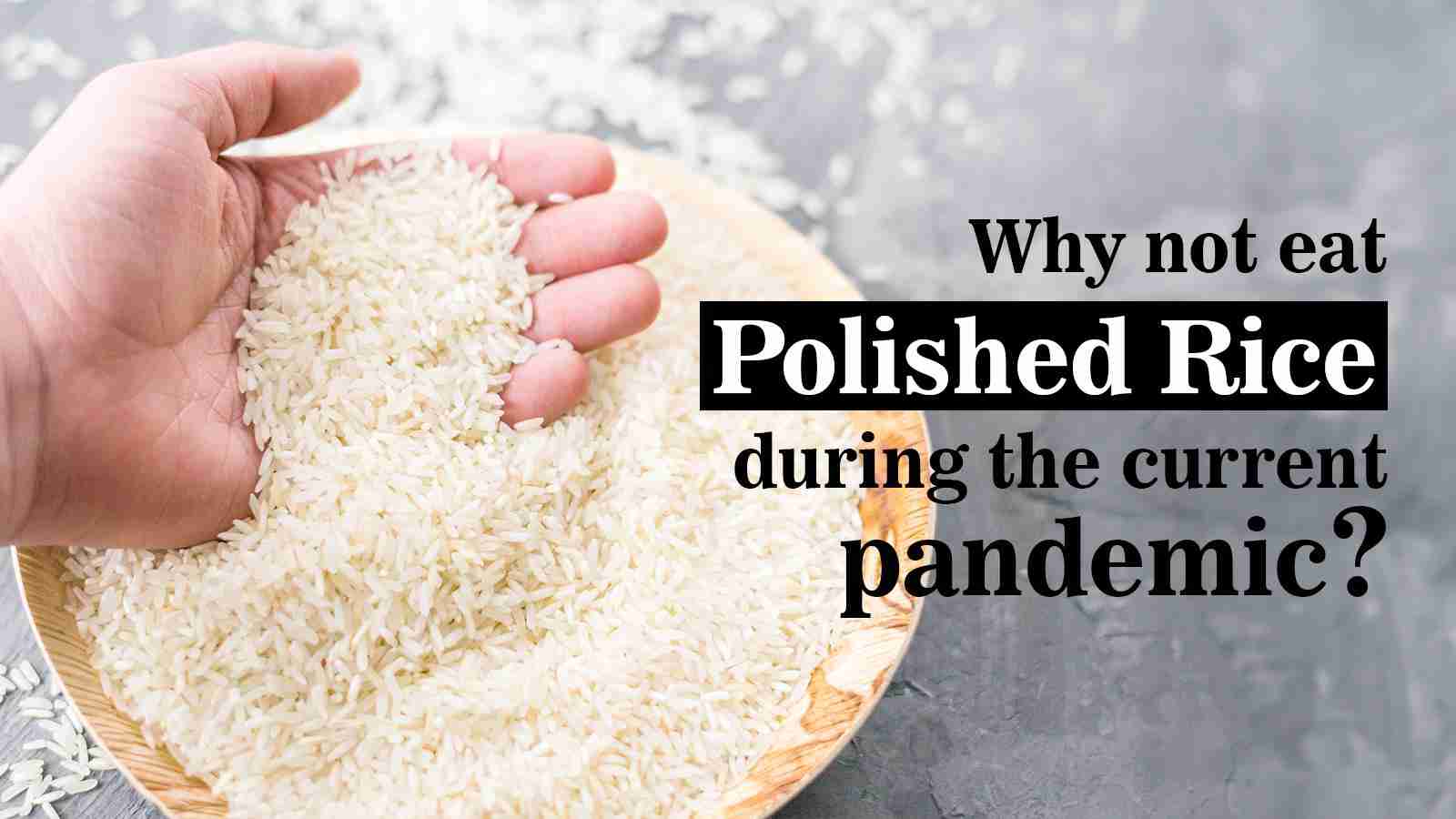
Unveiling the Benefits: Why Polished Rice Holds Culinary Value
Polished rice stands out in the culinary landscape, not only for its aesthetic appeal but also for its multitude of benefits. One significant advantage is its extended shelf life, which results from the removal of the outer husk and bran layers. This process helps in minimizing spoilage and maintaining the rice’s quality over time. Chefs and home cooks alike appreciate polished rice for its versatility, as it can serve as a blank canvas, effortlessly absorbing a wide range of flavors and spices, from aromatic stir-fries to rich curries. The smooth texture and visual uniformity enhance its presentation, making it a favored choice for elegant dining settings.
Moreover, polished rice often boasts a superior cooking experience that captivates culinary enthusiasts. With a shorter cook time, it transforms meals in a matter of minutes while delivering consistent results every time. Additionally, polished rice is typically easier to digest, providing a softer bite that appeals to various palates. Those looking for nutritional value can still find strength in its simplicity; when paired with nutrient-rich ingredients, polished rice can contribute meaningfully to a balanced diet. Here’s a quick look at the benefits:
| Benefit | Description |
|---|---|
| Extended Shelf Life | Less spoilage due to the absence of bran and husk. |
| Versatility | Absorbs flavors well, adaptable to various cuisines. |
| Consistent Cooking | Shorter cooking time with reliable outcomes. |
| Digestibility | Soft texture that is easy on the stomach. |

Mastering the Technique: Best Practices for Effective Jet Rice Polishing
To achieve the desired sheen and quality in jet rice polishing, it’s essential to follow a systematic approach that emphasizes both technique and precision. Begin by selecting high-quality rice grains, as their inherent characteristics influence the final product. Employ a two-step polishing process that ensures uniformity while preserving the rice’s nutritional value. Maintain optimal moisture levels; a slight increase in humidity can enhance the polishing outcome but be cautious not to oversaturate. Use a gentle, circular motion when polishing, allowing the rice to tumble freely within the polishing chamber, which promotes even surface contact and minimizes breakage.
Temperature control plays a pivotal role in maintaining the integrity of the grains. It’s advisable to monitor the heat generated during the process and adjust the polishing time accordingly. Incorporating a buffering agent, such as a soft cloth or fine grit sand, can further enhance the finish without compromising the rice structure. Additionally, keep your equipment clean and well-maintained to prevent any residue from affecting the purity of your polished rice. Below is a table summarizing some best practices:
| Best Practice | Description |
|---|---|
| Quality Selection | Choose high-quality rice grains for better results. |
| Two-Step Process | Utilize both initial and finish polishing stages. |
| Moisture Control | Maintain optimal humidity levels to enhance polishing. |
| Uniform Motion | Polish using a gentle, circular motion for even results. |
| Temperature Management | Monitor heat levels to protect grain integrity. |
Sourcing Quality: How to Choose the Right Rice for Polishing Excellence
When embarking on the journey of rice polishing, selecting the right type of rice is essential for achieving the highest quality finish. Not all rice varieties are created equal, and the choice you make can impact both the aesthetic and culinary value of the final product. Opt for rice that boasts a higher starch content, as this will typically yield a more lustrous polish. Additionally, consider the size and shape of the grains; long-grain rice tends to produce a more uniform polish, while short-grain varieties can contribute to a creamier texture.
To streamline your decision-making process, here are key factors to evaluate when choosing rice for polishing:
- Grain Type: Select between varieties such as Jasmine, Basmati, or Arborio depending on your desired outcome.
- Moisture Level: Aim for rice with a moisture content of approximately 11-13% for optimal polishing.
- Color and Appearance: Look for grains that are free from blemishes and discoloration to ensure an attractive end product.
| Rice Variety | Ideal For | Polishing Characteristics |
|---|---|---|
| Basmati | Fragrant Dishes | Elegant shine with a nutty flavor. |
| Jasmine | Asian Cuisine | Soft texture with a natural gloss. |
| Arborio | Risottos | Creamy finish, ideal for absorption of flavors. |
Insights and Conclusions
the meticulous process of jet rice polishing transcends mere culinary necessity; it embodies a rich tapestry of tradition, innovation, and craftsmanship. Each grain tells a story—a journey from the paddy fields to the polished plate, reflecting the dedication of those who cultivate, process, and refine. As we embrace the art of jet rice polishing, we not only enhance the aesthetic appeal and nutritional value of our meals but also honor a practice steeped in culture and history. Let us celebrate the convergence of nature and skill, savoring the fruits of this labor with every bite, and continuing to elevate our appreciation for one of the world’s most cherished grains. In the realm of culinary artistry, the quest for perfection is indeed an ongoing journey, and jet rice polishing stands as a testament to that pursuit.



