
Discover the Top Rice Mills: A Guide to Quality Grinding
In the heart of every culinary masterpiece lies a humble grain that has unified cultures and traditions for centuries: rice. Whether it’s the fragrant basmati of Indian cuisine, the sticky short grains of Japanese dishes, or the robust varieties favored in southern African meals, the quality of rice plays a pivotal role in the art of cooking. But what defines quality rice? One of the key factors is the milling process, which transforms paddy into perfectly polished grains ready for your table. In this guide, we invite you to explore the top rice mills, where modern technology meets age-old techniques to deliver the finest products. From innovative grinding methods to sustainable practices, discover how these mills ensure that every grain matters and how they contribute to elevating your culinary experiences. Join us on this exploration of the world of rice milling and unlock the secrets behind exceptional quality grinding.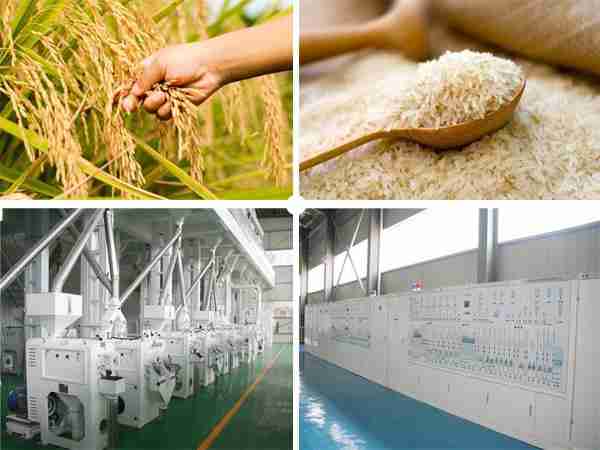
Unveiling the Secrets of Superior Rice Milling Techniques
In the quest for excellence in rice milling, the techniques employed play a pivotal role in determining the quality of the final product. Modern mills utilize a combination of traditional wisdom and cutting-edge technology, ensuring that each grain of rice is processed with precision. Innovative milling methods such as paddy separation, husk removal, and polishing effectively enhance the purity and flavor profile of the rice. Furthermore, maintaining an optimal moisture level during milling not only preserves nutrient content but also contributes to a desirable texture that consumers love.
Choosing the right rice mill can be a daunting task, but understanding the essential features can simplify the process. Consider the following attributes when evaluating different mills:
- Capacity: Understand the milling output required for your needs.
- Energy efficiency: Look for mills that minimize energy consumption without sacrificing performance.
- Maintenance: Opt for models that are easy to clean and maintain to ensure longevity.
- Customer support: Reliable service can make all the difference in maintaining peak operational efficiency.
The following table summarizes key characteristics of different rice mills available in the market, highlighting how they stand out:
| Model | Processing Technology | Output (kg/h) | Energy Consumption (kW) |
|---|---|---|---|
| Mill A | Air-Suction | 500 | 25 |
| Mill B | Water-Mist | 700 | 30 |
| Mill C | Vibratory | 600 | 28 |

Choosing the Right Equipment for Optimal Efficiency
When selecting equipment for rice milling, it’s crucial to consider both the scale of operation and the desired quality of the final product. Investing in the right machinery not only enhances efficiency but also ensures consistent results. Here are some key factors to keep in mind:
- Capacity Needs: Assess your daily production requirements to choose a machine that can handle your workload without compromising quality.
- Technology Features: Look for modern rice mills equipped with advanced technology such as automatic control systems, which can significantly reduce labor costs.
- Maintenance Ease: Consider equipment that is easy to maintain, with accessible parts and clear manufacturer support to keep downtime to a minimum.
Another important aspect is the type of grinding mechanism used. Different types of mills offer distinct advantages that may be better suited for specific rice qualities. For example, cylinder mills work well for producing fine rice flour, whereas stone mills often yield a coarser texture that some markets may prefer. Here’s a quick comparison of these two types:
| Mill Type | Pros | Cons |
|---|---|---|
| Cylinder Mill | Consistent grain size, Efficient for bulk processing | Higher initial costs, Potential for over-processing |
| Stone Mill | Traditional flavor, Lower energy consumption | Inconsistent results, Slower processing speed |

Evaluating Quality Standards in Rice Processing
When it comes to rice processing, the evaluation of quality standards is paramount to ensure that consumers receive rice that meets their expectations both in taste and nutritional value. Key factors to consider include the method of milling, the machinery used, and the overall handling of rice grains throughout the process. Reliable rice mills prioritize these aspects to maintain the integrity of the rice, and their commitment to quality can often be seen in their certifications and adherence to industry standards. Here are some essential quality criteria to assess:
- Hulling Efficiency: How effectively the outer husk is removed without damaging the grains.
- Whole Grain Recovery Rate: The percentage of whole grains obtained after processing, indicating the mill’s precision and care.
- Moisture Content: Ensuring grains are adequately dried to prevent spoilage and maintain shelf life.
- Color and Texture: Assessing the visual quality and feel of the rice, which affects consumer preferences.
The technology employed also plays a pivotal role in determining processing quality. Advanced mills utilize a combination of mechanical and pneumatic systems designed to minimize breakage and adhere to best practices in food safety. Not only does this enhance the appearance and flavor of the end product, but it also contributes to the overall nutritional profile. Below is a simple overview of the key technologies used in top rice processing facilities:
| Technology | Benefits |
|---|---|
| Modern Rice Whitener | Improves grain luster while reducing the number of broken grains. |
| Pneumatic Conveying System | Minimizes grain damage and improves efficiency in transportation. |
| Color Sorting Machines | Ensures only the highest quality grains pass through by removing discolored or damaged rice. |
Exploring Sustainable Practices in Modern Rice Mills
As the world increasingly turns its attention to environmental concerns, modern rice mills are adapting by incorporating a variety of sustainable practices that enhance both efficiency and eco-friendliness. One pivotal approach is the implementation of energy-efficient machinery that significantly reduces carbon footprints while maintaining quality output. Additionally, many mills are opting for solar energy systems, harnessing the sun’s power to operate their equipment, which not only cuts energy costs but also minimizes dependence on fossil fuels.
Furthermore, water conservation techniques are gaining traction in rice milling operations. Systems that recycle water for cooling and cleaning processes help reduce wastage, allowing mills to operate with minimal environmental impact. Other sustainable practices include:
- Utilization of by-products: Rice husks and bran are transformed into biofuels or animal feed, maximizing resource use.
- Organic milling techniques: Ensuring that both the rice and its processing meet organic certification standards.
- Community engagement: Collaborating with local farmers to promote sustainable agricultural methods that complement milling operations.
Investing in technologies that monitor and control emissions is also becoming commonplace among forward-thinking rice mills. Such systems facilitate compliance with environmental regulations while optimizing production processes. Here’s a brief overview of sustainable technology adaptations in the rice milling industry:
| Technology | Benefits |
|---|---|
| Solar Panels | Reduces electricity costs and carbon emissions. |
| Water Recycling Systems | Conserves water and cuts operational costs. |
| Emission Monitoring Systems | Ensures compliance with environmental standards. |
Final Thoughts
In the world of culinary excellence, the role of high-quality rice cannot be overstated. As we close this guide to the top rice mills, we hope you’ve gleaned valuable insights into the art and science of rice grinding. Selecting a reputable rice mill is not just about choosing the right grains; it’s about ensuring that every grain tells a story of tradition, craftsmanship, and sustainability. Whether you’re a dedicated chef, a health-conscious consumer, or simply someone who appreciates the nuances of good food, understanding the difference that quality milling can make is essential.
As you navigate your choices, remember that the heart of any great meal often starts with the finest ingredients. We encourage you to explore the mills highlighted in this guide, experience their unique offerings, and find the perfect fit for your culinary creations. So the next time you reach for that bag of rice, take a moment to appreciate the journey it took from field to table, and may your meals be ever more flavorful and fulfilling. Happy cooking!



