
In the lush fields where golden grains sway gently in the breeze, the journey from paddy to plate is as vital as it is complex. Rice, a staple food for over half the world’s population, hinges not only on the careful nurturing of its crop but also on the efficiency of its processing. As global demands for rice surge, the need for innovative solutions in paddy processing has never been more pressing. Enter the Paddy Processing Unit—an embodiment of technology and ingenuity, designed to elevate production efficiency while reducing waste. This article delves into the transformative role these units play in the rice industry, exploring the advancements in machinery, sustainable practices, and their impact on the livelihoods of farmers and communities alike. Join us as we uncover how these innovative processing units are redefining the landscape of rice production, ensuring that this essential grain continues to nourish a growing world.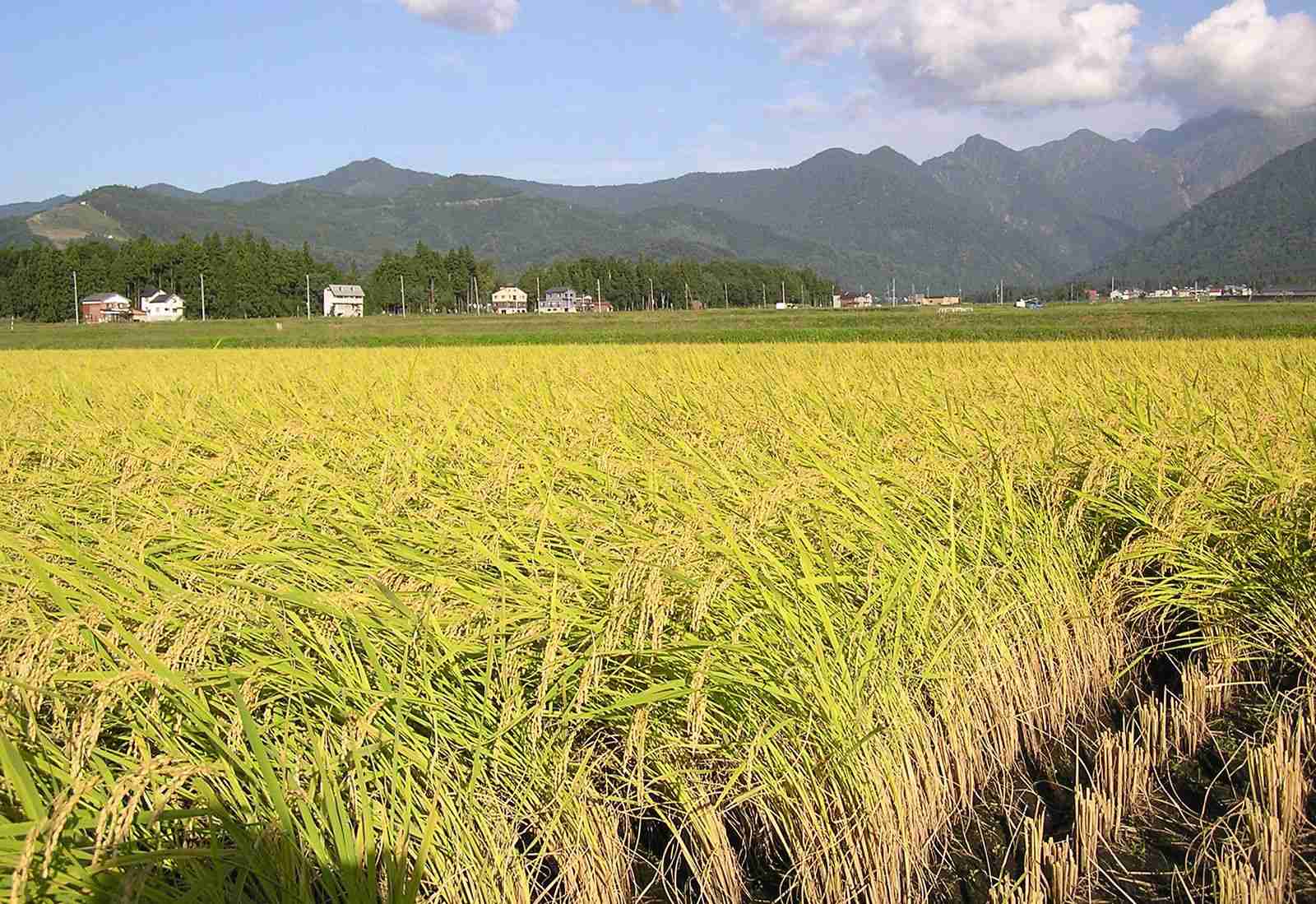
Strategies for Enhancing Paddy Processing Efficiency
Improving the efficiency of paddy processing units requires a multifaceted approach that incorporates modern technology, optimized workflows, and sustainable practices. One of the most effective strategies is the integration of automated milling machinery that can significantly reduce labor costs and processing time. These machines not only improve output but also enhance the quality of the final product. Additionally, implementing real-time monitoring systems allows operators to track the processing stages, quickly identify bottlenecks, and adjust operations proactively.
Another essential strategy is investing in staff training and development. Educated workers equipped with knowledge about the newest processing techniques and machinery can make a considerable difference in productivity. Techniques like lean manufacturing can also be utilized to streamline operations, reducing waste and optimizing resource allocation. To illustrate, the following table outlines key areas for improvement along with actionable solutions:
| Area for Improvement | Actionable Solution |
|---|---|
| Processing Time | Adopt automated systems and reduce manual handling. |
| Quality Control | Implement routine quality assessments at each processing stage. |
| Employee Skills | Conduct regular workshops on advanced processing technologies. |
| Resource Utilization | Employ lean manufacturing practices to minimize waste. |

Technological Innovations Transforming Rice Production
The landscape of rice production is undergoing a significant transformation, driven by technological innovations that enhance efficiency and sustainability. Among these innovations, paddy processing units are emerging as key players in revolutionizing the way rice is cultivated, harvested, and processed. These units employ advanced machinery that streamlines the entire milling process, reducing operational time and increasing yield. Farmers who integrate these systems can expect to see a dramatic improvement in their output, maximizing profitability while minimizing labor costs.
These processing units leverage modern technologies to automate repetitive tasks, ensuring a higher consistency in grain quality and safety. Through features like smart monitoring systems and data analytics, producers can make informed decisions that lead to optimized resource usage. Some benefits of utilizing paddy processing units include:
- Increased Efficiency: Automation speeds up production cycles.
- Quality Control: Improved milling processes result in higher quality rice.
- Waste Reduction: Advanced technology minimizes by-products during processing.
To further illustrate the impact of these innovations, consider the following comparison of traditional versus modern paddy processing capabilities:
| Feature | Traditional Method | Modern Paddy Processing Unit |
|---|---|---|
| Processing Time | 2-3 Days | 6-8 Hours |
| Labor Requirement | 5-10 Workers | 1-3 Workers |
| Rice Yield | 65-70% | 75-80% |
As these systems become more integrated into the farming ecosystem, the potential for sustainable growth in rice production becomes increasingly apparent, highlighting the need for innovative solutions in meeting global food demands.

Sustainable Practices in Paddy Processing Units
In the realm of rice production, paddy processing units are embracing innovative methods that prioritize environmental sustainability while maximizing efficiency. These facilities are integrating cutting-edge technologies that reduce waste and enhance energy conservation. For example, the adoption of solar energy systems to power processing operations significantly decreases reliance on non-renewable energy sources. Additionally, the implementation of water recycling systems helps in managing water usage more effectively, ensuring minimal environmental impact. Through the commitment to sustainable practices, these units are setting a standard for eco-friendly operations in the agricultural sector.
Moreover, many paddy processing units are investing in biodegradable packaging materials to minimize plastic waste. The shift toward organic practices also extends to sourcing rice from local, sustainable farms, fostering a circular economy that benefits both producers and consumers. Key strategies include:
- Utilizing by-products: Employing rice husks and bran in bioenergy production or organic fertilizer.
- Implementing precision farming technologies: Enhancing crop yields while reducing inputs.
- Educating workers: Training staff in eco-friendly practices and encouraging sustainable farming techniques.
Such holistic approaches not only improve the efficiency of rice production but also contribute to the long-term health of our ecosystems.
Future Trends Shaping the Rice Industry Landscape
The rice industry is witnessing a transformation driven by technological advancements and a heightened focus on sustainability. Key innovations in paddy processing units are revolutionizing production methods, significantly enhancing efficiency while minimizing environmental impact. Automation and smart technologies are becoming increasingly adopted, allowing for precision in every stage of processing, from milling to packaging. Additionally, the integration of data analytics enables farmers and processors to optimize their operations based on real-time metrics, resulting in improved yield and reduced waste.
In response to evolving consumer demands, there is also a noticeable shift towards organic and specialty rice products, which are being supported by modern paddy processing techniques. Investments in research and development are leading to the creation of varieties that require less water and are resistant to pests and diseases. Furthermore, the implementation of eco-friendly practices throughout the value chain is reshaping market dynamics. The following aspects illustrate some future trends that are likely to influence the rice industry’s landscape:
- Vertical Integration: Processing units are increasingly partnering with farmers to create a cohesive supply chain.
- Blockchain Technology: Enhancing traceability and quality control in rice production.
- Sustainability Initiatives: Greater demand for eco-conscious practices will shape processing operations.
- Global Market Expansion: Emerging markets will drive new opportunities for rice exporters.
Key Takeaways
In the ever-evolving landscape of agriculture, Paddy Processing Units stand at the forefront of innovation, turning traditional rice production into a harmonious blend of efficiency and sustainability. As we’ve explored, these units are not just a nod to modern technology; they are a pivotal force transforming the way we think about food production and resource management. From enhanced milling techniques to waste reduction strategies, the impact of these units goes far beyond the rice field—reshaping economic landscapes and promoting food security.
As we look ahead, the ongoing advancements in paddy processing technology promise to yield even greater results, fostering a community of growers and consumers who are more interconnected than ever before. In a world where every grain counts, the strides made in this sector will play a critical role in addressing the challenges of tomorrow.
By embracing innovation in rice production, we not only honor the timeless traditions of agriculture but also pave the way for a more efficient and sustainable future. The journey of paddy processing is just beginning, and the narrative is one of adaptability, resilience, and promise—one that will continue to flourish as we cultivate our shared commitment to progress.



