
From Grain to Goodness: Exploring the World of Rice Mills
In the heart of many cultures around the globe, one humble grain has sustained civilizations for centuries: rice. As a cornerstone of countless diets, it speaks not only to our nourishment but also to the rich tapestry of traditions and practices that surround its cultivation and processing. The journey from a paddy field to the dinner table is both intricate and fascinating, traversing a landscape shaped by agriculture, technology, and human ingenuity. Within this journey, rice mills stand as vital hubs, transforming harvested grains into the pearl-like morsels that grace our plates. In this article, we invite you to delve into the world of rice mills—uncovering the intricate processes, the innovations driving efficiency, and the significance of this age-old practice in our modern world. Join us as we explore how these industrious facilities bridge the gap between farming and feasting, turning grain into a symbol of sustenance and cultural identity.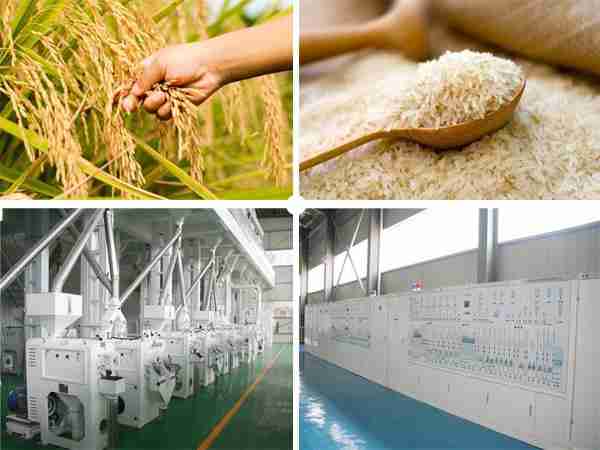
Understanding the Rice Milling Process and Its Impact on Quality
The journey of rice from paddy field to plate is a meticulous process that begins with harvesting and culminates in the transformation of rough rice into the polished grains we recognize. The rice milling process involves several key stages, each playing a critical role in determining the final quality. Initially, the harvested paddy goes through drying to reduce moisture content, followed by cleaning to remove any foreign particles. Next, milling entails a series of steps such as hulling, where the outer husk is removed, and whitening, which polishes the grains to enhance their visual appeal. These processes not only affect the aesthetic qualities of the rice but also its nutritional value, aroma, and taste, making precision in each phase essential.
Moreover, the impact of the milling process extends beyond mere aesthetics. Different milling techniques can yield various rice types with distinct characteristics. For example, the adoption of modern milling technologies may optimize efficiency but could also compromise some nutritional elements unless carefully managed. Conversely, traditional methods often retain more nutrients but may be less efficient. Below are some factors that influence the quality of rice during milling:
- Moisture Content: Crucial for effective hulling and preventing breakage.
- Equipment Quality: Determines the consistency of milling results.
- Operator Expertise: Skilled professionals can better manage the milling process.
- Time Efficiency: Impacts the rate of deterioration and freshness.

The Role of Modern Technology in Enhancing Rice Mill Efficiency
In today’s fast-paced agricultural landscape, the integration of modern technology has revolutionized rice milling processes. Traditional methods, often labor-intensive and time-consuming, are now enhanced by cutting-edge innovations that streamline operations and maximize output. By implementing advanced machinery and automation, rice mills are able to significantly reduce processing times and increase the volume of rice milled per day. Technologies such as automated sorting machines, precision milling equipment, and real-time monitoring systems work in tandem to deliver consistent quality while minimizing waste and inefficiency. The ability to track the milling process continuously allows operators to optimize parameters, ensuring that every grain contributes to the final product without compromise.
The impact of technology transcends mere efficiency; it extends to sustainability and product quality as well. With the adoption of solar-powered machines and energy-efficient practices, rice mills are not only cutting costs but also reducing their carbon footprint. Additionally, precision milling techniques enhance the quality of the final product by reducing broken kernels and maintaining the nutritional profile of the rice. Such advancements contribute to a healthier food supply while meeting the increasing demands of a growing population. Below is a summary of the benefits offered by modern technology in rice milling:
| Benefit | Description |
|---|---|
| Increased Output | Technology ensures higher milling rates, processing large volumes quicker. |
| Improved Quality | Precision equipment reduces broken grains, enhancing overall product quality. |
| Sustainability | Energy-efficient practices lower costs and environmental impact. |
| Real-Time Monitoring | Continuous tracking enables immediate adjustments for optimal performance. |

Sustainability Practices in Rice Milling: A Path to Eco-Friendly Production
In the quest for more sustainable food production, rice milling has taken remarkable strides towards eco-friendliness. By adopting innovative technologies and practices, mills are not only optimizing resource utilization but are also minimizing their environmental impact. Renewable energy sources such as solar and wind power are becoming increasingly prevalent in milling operations, serving as alternatives to traditional energy. Furthermore, the integration of efficient water management systems allows mills to reduce waste and promote conservation. As a result, the entire milling process is reimagined to ensure that less energy and water are expended, making it gentler on the planet.
Moreover, many rice mills are focusing on circular economy principles by reusing by-products of the milling process. The rice husk, a significant by-product, is now often converted into biofuel or used to generate energy, creating a closed-loop system that reduces waste. Other practices include utilizing organic fertilizers created from milling waste, which not only alleviates the dependence on synthetic fertilizers but also enhances soil health. These evolving practices exemplify the rice milling industry’s commitment to sustainability and demonstrate that eco-friendly production methods can align with economic viability.
Building a Successful Rice Mill Business: Strategies for Aspiring Entrepreneurs
To establish a thriving rice mill business, aspiring entrepreneurs must embrace a multifaceted strategy that ranges from market research to operational efficiency. Understanding the local demand for rice varieties is crucial; before setting up operations, one should conduct surveys and gather data on consumer preferences and seasonal trends. Networking with local farmers can also provide insights into the quality of paddy available and future crops, enabling better sourcing decisions. A focus on sustainable practices, like utilizing eco-friendly milling technologies and waste recycling methods, can not only reduce operational costs but also enhance brand reputation and appeal to environmentally conscious consumers.
Operational excellence in a rice mill involves meticulous attention to detail. Investing in high-quality machinery enhances processing efficiency, minimizes waste, and ensures consistency in grain quality. Creating a robust quality control system is essential; adopting standardized protocols for inspecting incoming paddy, during milling, and post-processing ensures the end product meets consumer expectations. To complement these processes, entrepreneurs can foster strong customer relationships through direct feedback and responsive service, which can be facilitated through regular community engagement initiatives and promotional events. The integration of technology, such as inventory management software and online marketing platforms, can not only streamline operations but also broaden market reach.
In Summary
As we conclude our journey through the captivating realm of rice mills, we are reminded of the intricate processes that transform humble grains into nourishing staples for countless communities around the globe. From the rhythmic ballet of machines in bustling mills to the age-old traditions upheld by local farmers, the story of rice is one woven into the fabric of culture, economy, and sustenance.
We have explored the technological innovations that enhance efficiency and quality, the sustainable practices that honor our planet, and the vital role rice plays in feeding families and fueling economies. Each grain tells a tale of labor, craftsmanship, and resilience, deserving of appreciation and respect.
As you reflect on this exploration, consider the journey of your next meal, from the fields to the mills, where hard work meets dedication. May we continue to honor and support the systems that bring this essential food to our tables, ensuring that the narrative of rice remains one of goodness for generations to come. In a world that often races forward, let us take a moment to appreciate the beauty in the processes that sustain us, reminding ourselves that behind every bite lies a story waiting to be told.



