
Rice has long been a staple food for over half of the world’s population, feeding billions and serving as a foundation for diverse culinary traditions. However, the journey from paddy field to plate is a complex process that begins with the crucial operation of milling. Rice milling units play a significant role in this transformative journey, turning harvested rice grains into polished, market-ready products. Understanding the essentials of these units is key for anyone involved in the agricultural supply chain, from farmers to entrepreneurs. In this guide, we will delve into the workings of rice milling units, exploring their components, processes, and significance in ensuring quality and efficiency. Whether you are a seasoned professional or a curious learner, this article will equip you with the knowledge necessary to navigate the intricacies of rice milling and appreciate the art behind this seemingly simple grain.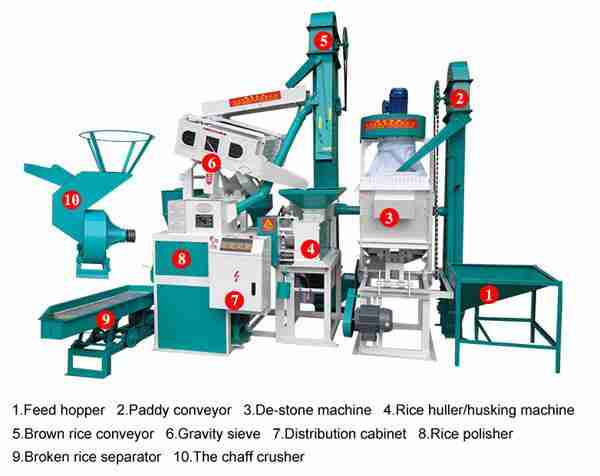
The Anatomy of a Rice Milling Unit Unveiling Components and Operations
At the heart of rice milling units lies a system that intricately integrates various components to transform paddy into consumable rice. Each piece of equipment plays a distinct role in the milling process, ensuring efficiency and quality. The essential components include:
- De-husker: This machine removes the outer husk from the paddy, preparing it for further processing.
- Separator: An indispensable tool that differentiates good grains from any broken pieces or chaff.
- Milling Machine: This unit grinds the rice into the desired texture, offering options from brown to white rice.
- Polisher: A final touch that enhances the aesthetics of the rice, giving it a glossy finish.
The operations of these components involve a series of steps that are meticulously coordinated to ensure the production of high-quality rice. The process begins with cleaning, which removes impurities, followed by de-hulling, where the de-husker performs its function. Next, the product moves through the separator for sorting, then onto the milling machine for grinding. This sequence is crucial as each operation contributes to the overall quality and yield. A simple overview of these stages can be depicted in the following table:
| Stage | Component | Function |
|---|---|---|
| 1 | Cleaning | Removes dirt and debris |
| 2 | De-husking | Extracts husk from paddy |
| 3 | Separating | Sorts good grains from impurities |
| 4 | Milling | Grinds rice to desired texture |
| 5 | Polishing | Enhances appearance of rice |
Selecting the Right Machinery Key Considerations for Optimal Performance
Choosing the appropriate machinery for rice milling is crucial for achieving the desired quality and efficiency. Several factors come into play when making this decision. The capacity of the unit must align with production demands; therefore, understanding the volume of rice processed daily is essential. Additionally, consider the technology level of the equipment. Modern milling units often incorporate advanced features, such as automated controls and energy efficiency systems, which not only enhance output but also reduce operational costs over time.
Another important aspect is the durability and maintenance requirements of the machinery. Opting for well-constructed machines with readily available parts can minimize downtime and enhance productivity. Furthermore, it’s valuable to evaluate the customer support and service reputation of the machinery suppliers. A reliable vendor should offer continuous assistance and readily share technical expertise. To facilitate the selection process, the following checklist can help outline key specifications to evaluate:
- Production Capacity: Ability to process desired tons of rice per hour.
- Energy Efficiency: Energy consumption rates should be low for sustainability.
- Ease of Operation: Machines should be user-friendly, reducing the need for extensive training.
- Maintenance Support: Access to spare parts and technical support from the manufacturer.
- Space Requirements: Ensure your facility can accommodate the machinery size.

Maximizing Efficiency Best Practices in Rice Milling Processes
To achieve optimal productivity in rice milling operations, implementing a variety of best practices is essential. These practices not only enhance output but also promote cost-effectiveness. Key techniques include:
- Regular Equipment Maintenance: Routine checks and servicing ensure that machines run smoothly and reduce the risk of unexpected breakdowns.
- Optimal Layout Design: An efficient layout minimizes unnecessary movements, streamlining the process flow and saving time.
- Proper Grain Storage: Storing paddy in appropriate conditions prevents spoilage and maintains quality, facilitating a smoother milling process.
Another crucial aspect of maximizing efficiency involves training and empowering personnel. Well-trained staff can operate machinery effectively and troubleshoot common issues, reducing downtime. Consider the following strategies for workforce development:
- Hands-on Training: Practical training sessions enable employees to familiarize themselves with equipment.
- Skill Assessment: Regular evaluations help identify training needs and enhance workforce capabilities.
- Encouraging Innovation: Fostering a culture where employees suggest process improvements can lead to unexpected enhancements in efficiency.
Sustainability in Rice Milling Embracing Eco-Friendly Practices for Future Growth
In recent years, the rice milling industry has begun to recognize the importance of integrating eco-friendly practices into their operations. By transitioning to sustainable methods, businesses can reduce their environmental impact while also improving efficiency and product quality. Some key strategies include:
- Energy Optimization: Implementing energy-efficient machines and practices to minimize power consumption.
- Water Conservation: Utilizing closed-loop water systems to recycle water and decrease waste.
- Waste Management: Transforming byproducts like husk and bran into bioenergy or organic fertilizers.
- Eco-Friendly Packaging: Switching to biodegradable materials for packaging to reduce plastic pollution.
By adopting these practices, rice milling units not only contribute to environmental sustainability but also create opportunities for future growth and innovation. For instance, energy-efficient equipment not only cuts costs but also appeals to a growing demographic of environmentally conscious consumers. The table below highlights some eco-friendly technologies and their benefits:
| Technology | Benefits |
|---|---|
| Solar Energy Systems | Reduces energy costs and carbon footprint. |
| Waste-to-Energy Converters | Utilizes waste for energy, minimizing landfills. |
| Smart Sensors | Enhance resource management through real-time monitoring. |
Future Outlook
Conclusion
As we wrap up our exploration of rice milling units, it’s clear that understanding the essentials of this intricate process is vital for anyone looking to enter the rice production industry or improve their existing operations. From the basic components of the milling unit to the sophisticated technology that drives efficiency and quality, each element plays a significant role in transforming paddy into the cherished staple that feeds millions.
Navigating the complexities of rice milling may seem daunting at first, but with the knowledge gleaned from this guide, you are now better equipped to make informed decisions. Whether you are a seasoned professional or a newcomer in the field, embracing innovation and understanding the operational intricacies will not only enhance productivity but also contribute to sustainable practices in agriculture.
As you embark on or continue your journey in the world of rice milling, remember that the core of this industry is built on an unwavering commitment to quality and efficiency. May your endeavors be fueled by curiosity, guided by knowledge, and shaped by an enduring passion for this vital grain that nourishes the world.



