
Unlocking Efficiency: The Evolution of Industrial Rice Milling
In the heart of agricultural innovation lies one of the world’s most staple foods: rice. For centuries, the process of transforming paddy into polished grains has evolved from labor-intensive methods to sophisticated industrial practices, revolutionizing both productivity and quality. This journey through time not only highlights remarkable technological advancements but also reflects the changing needs of a growing global population. As we delve into the evolution of industrial rice milling, we will uncover the intricate balance between tradition and modernization, exploring how these advancements have unlocked unprecedented efficiency in an industry that continues to feed billions. Join us as we explore the key milestones, innovations, and future trends that define the modern rice milling landscape, shedding light on a process that remains vital to food security and economic stability worldwide.
The Journey of Rice Milling Technology and Its Impact on Production
The advancements in rice milling technology have dramatically transformed the landscape of rice production, increasing both efficiency and scalability. From traditional hand milling methods to sophisticated machinery, the evolution of this sector reflects the broader trends of industrialization and technological innovation. Early milling processes relied on manual labor and simple tools, but as demand grew, so did the necessity for improved techniques. Today, the integration of automated systems and smart technology ensures that grains are processed with precision, substantially reducing waste and enhancing output. This shift has not only boosted productivity but also lowered labor costs, making rice production more accessible to varying scales of operation.
Key innovations in rice milling technology include the introduction of automatic paddy huskers, polishers, and color sorters. These machines have redefined the milling process by ensuring a higher quality of the final product while maintaining the nutritional integrity of the rice. The benefits extend beyond individual mills; by streamlining production practices, entire supply chains have improved, leading to better market competitiveness for rice producers. Furthermore, modern technologies now incorporate data analytics that aid in monitoring the milling process, optimizing resource usage, and predicting maintenance needs, thus enhancing sustainability. Here’s a quick glance at some defining innovations:
| Innovation | Impact |
|---|---|
| Automated Husker | Reduces husking time and increases yield. |
| Rice Polisher | Enhances grain appearance and reduces breakage. |
| Color Sorter | Improves quality control by identifying imperfections. |
| Data Analytics | Optimizes operations and predicts equipment failures. |

Sustainable Practices in Modern Rice Milling Systems
Modern rice milling systems have integrated a variety of sustainable practices aimed at minimizing environmental impacts while enhancing operational efficiency. These systems embrace cutting-edge technologies and methodologies that not only streamline the milling process but also promote sustainable resource management. Key initiatives include the adoption of energy-efficient machinery that significantly reduces energy consumption, and water recycling systems, which optimize water use during the milling process. Implementing such practices allows mills to contribute positively to local ecosystems while ensuring profitability.
In addition to technology upgrades, the adoption of biomass utilization techniques has become increasingly prominent. By converting rice husks and other by-products into renewable energy or sustainable biofertilizers, milling operations can close the loop on waste management and significantly decrease their carbon footprint. The following are common sustainable practices employed in rice milling:
- Solar energy integration for powering facilities.
- Waste valorization to maximize by-product usage.
- Digital monitoring systems to track resource consumption.
- Training programs for staff on eco-friendly operational methods.
| Practice | Benefits |
|---|---|
| Energy-efficient machinery | Reduces overall energy costs. |
| Water recycling systems | Minimizes water usage and waste. |
| Biomass conversion | Provides renewable energy sources. |
Enhancing Operational Efficiency through Automation and Innovation
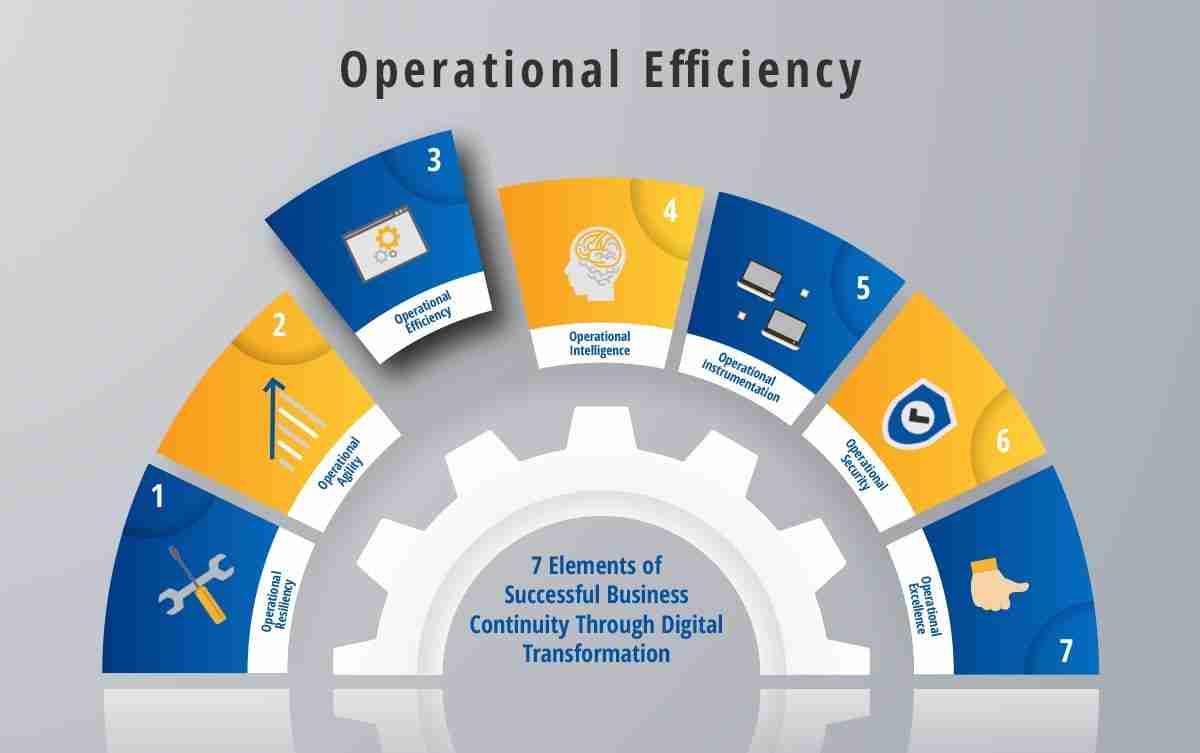
As the rice milling industry continues to evolve, the integration of automation technologies has fundamentally transformed operational processes. Modern mills leverage smart machinery and data analytics, allowing for real-time monitoring and adjustments to milling parameters. This not only enhances efficiency but also ensures higher product quality. Key innovations in this realm include:
- Automated grain handling systems: These reduce manual labor and streamline the workflow.
- Sensor technology: Precise moisture and temperature controls optimize milling conditions.
- Data-driven decision-making: Analytics tools help in forecasting demand and reducing waste.
The shift towards innovative practices does not merely stop at automation; it encourages an overarching culture of continuous improvement. Mills are adopting lean manufacturing principles, focusing on minimizing waste and maximizing productivity through several transformative strategies. Some of these strategies involve:
| Strategy | Description |
|---|---|
| Process Standardization | Creates a consistent approach to milling that enhances product quality. |
| Employee Training | Equips staff with skills in new technologies and best practices. |
| Feedback Loops | Ensures continuous improvement by incorporating input from all stakeholders. |
Future Trends in Rice Milling: Embracing Digital Transformation
As the rice milling industry evolves, the incorporation of digital technologies is set to redefine operational efficiencies. With the rise of IoT (Internet of Things), mills are increasingly adopting smart sensors and connected machinery that provide real-time data analytics. This transformation allows operators to monitor key processes, from paddy storage to milling output, optimizing every step for higher productivity. By integrating cloud-based platforms, mill operators can analyze historical data to forecast demand, manage inventory, and streamline supply chain logistics, resulting in significant cost savings and reduced waste.
Moreover, the advent of automation and AI (Artificial Intelligence) is transforming workforce dynamics. Intelligent systems can now control milling operations, adjusting parameters for optimal yield and quality while providing predictive maintenance alerts to minimize downtime. The implementation of machine learning algorithms enhances quality control by analyzing grain characteristics, leading to better grading and sorting. As industries embrace these advancements, fostering a culture of continuous improvement and learning will be critical for staying competitive in a digitally transformed marketplace.
In Summary
As we conclude our exploration of the evolution of industrial rice milling, it becomes clear that this sector represents a remarkable journey of innovation and efficiency. From humble beginnings, where manual labor dictated production rates, to cutting-edge technologies that streamline processes, the rice milling industry showcases humanity’s relentless pursuit of improvement. Each advancement not only enhances operational efficiency but also reflects a broader commitment to sustainability and quality in food production.
As we look ahead, the future of rice milling holds the promise of even greater transformations—where automation, digitization, and sustainability converge to meet the ever-growing demands of a global population. By embracing these ongoing changes, stakeholders can unlock efficiencies that not only benefit producers but also ensure that one of the world’s staple foods remains accessible and nutritious for all. The story of rice milling is far from over; it is, in fact, just beginning to unfold, with every grain symbolizing progress and potential.



