
In a world increasingly attuned to the origins of what we eat, the journey of food from field to table has never been more fascinating. Among the staples that sustain millions, rice reigns supreme, its journey shrouded in an intricate dance of tradition and technology. “From Field to Table: The Art of Paddy Processing Explained” uncovers the meticulous process behind transforming gleaming green paddies into the polished grains that grace our plates. As we traverse the stages of cultivation, harvesting, and processing, we will explore both the artistry and the science that ensure rice retains its essential qualities. Join us as we delve into the labor of love that binds farming communities and consumers alike, illuminating the labor behind each grain and the cultural significance woven into every bowl of rice.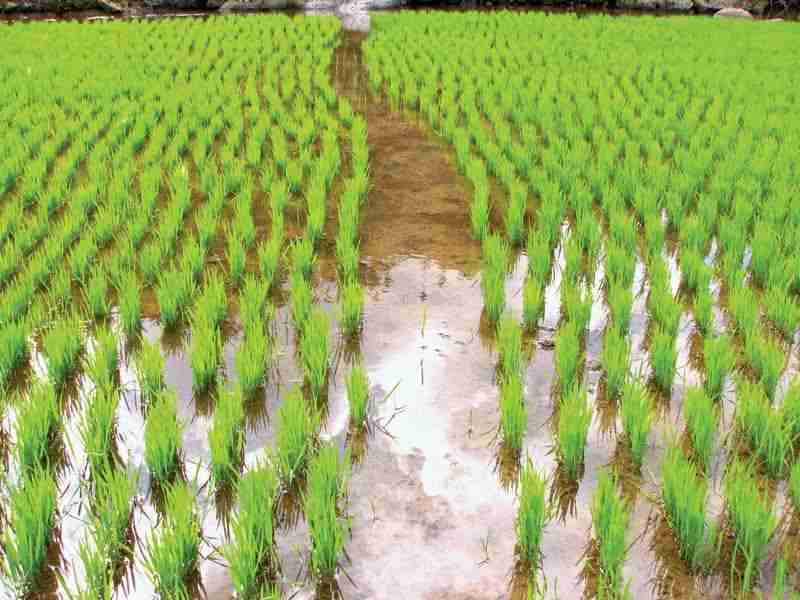
Understanding the Journey of Paddy: Cultivation to Harvest
As the journey of paddy begins, it is essential to appreciate the delicate balance between nature and agriculture that brings this staple food to our tables. The process starts with careful selection of seeds, which must be suited to the local climate and soil conditions. Following sowing, paddy fields are meticulously tended, requiring an intricate understanding of agricultural techniques that enhance growth. Factors such as water management, where fields are flooded to control weeds and pests, play a pivotal role in fostering a healthy crop. The farmer’s commitment to practices like crop rotation and integrated pest management ensures a robust harvest, ultimately impacting the quality of the rice produced.
Once the paddy is ready for harvest, the transition from field to processing facility begins. Farmers gather their crop using traditional or mechanized methods, carefully threshing the grains to separate them from chaff. The freshly harvested paddy undergoes crucial post-harvest processing steps which include drying to reduce moisture content and storing in silos to prevent spoilage. The processing stage is a monumental part of this journey, as it transforms the raw product into a consumable form. The following essential steps highlight this elaborate transformation:
- Drying: Reduces moisture, preventing spoilage.
- Hulling: Removes husk to reveal brown rice.
- Polishing: Enhances appearance by removing bran layer.
- Grading: Ensures uniform quality, sorting by size and color.
| Processing Stage | Purpose |
|---|---|
| Drying | Preserves grains for storage. |
| Hulling | Extracts edible rice from husk. |
| Polishing | Enhances flavor and shelf life. |
| Grading | Ensures quality for consumers. |

Mastering the Techniques: Key Steps in Paddy Processing
Paddy processing is an intricate journey that transforms raw grains into the polished rice we cherish on our plates. To achieve excellence in this craft, several key steps must be followed meticulously. First, the harvested paddy undergoes threshing, separating the grain from the stalks. This is typically done using a combination of modern machinery or traditional methods to ensure efficiency while maintaining grain integrity. Following this, the paddy is subjected to cleaning to remove impurities, such as dust, stones, and unhulled rice, ensuring a high-quality product.
Next, the paddy is sun-dried or machine-dried to reduce moisture levels, which is crucial for preventing spoilage during storage. Once dried, the paddy enters the milling phase, where it is hulled to remove the outer husk, yielding brown rice. To further refine the product, another round of milling can produce white rice by removing the bran layer. After milling, the rice is sorted according to quality and size, often using high-tech sorting machines. the rice is packaged, ready to make its way from the processing facility to consumers around the world. A quick comparison of the various stages of paddy processing is illustrated in the table below:
| Processing Stage | Description |
|---|---|
| Threshing | Separating grain from stalks |
| Cleaning | Removing impurities |
| Drying | Reducing moisture levels |
| Milling | Hulling and refining the grain |
| Sorting | Classifying by quality and size |
| Packaging | Preparing for distribution |

The Science Behind Processing: Equipment and Methods Explained
The journey of paddy from the field to the dining table is an intricate process, heavily reliant on specific equipment and various methods to ensure quality. At the heart of this transformation lies machinery designed to handle the delicate grains with care. Key pieces of equipment include:
- Combine Harvesters: These versatile machines are essential for efficiently cutting and harvesting paddy while minimizing grain loss.
- Dehuskers: Specialized machines are used to remove the husk from the harvested rice, producing brown rice.
- Grain Dryers: To prevent spoilage, these units regulate moisture levels in the harvested grain before storage or milling.
- Milling Machines: These equipment further process the brown rice to produce white rice, with various levels of polishing.
Each of these machines operates on fundamental principles of physics and engineering, ensuring efficiency and quality throughout the processing stages. The methods employed in paddy processing can be summarized in a simple table, illustrating the different phases and their respective functions:
| Processing Phase | Description |
|---|---|
| Harvesting | Cutting and collecting the mature paddy crops. |
| Husking | Removing the outer husk to reveal the brown rice inside. |
| Drying | Reducing moisture content to preserve rice quality. |
| Milling | Further processing to produce polished white rice. |
From Grain to Gourmet: Tips for Selecting and Cooking Rice
Choosing the right type of rice can elevate your culinary creations, transforming simple side dishes into gourmet delights. Consider these essential factors to select the rice that suits your dish best:
- Type of Rice: Different varieties, such as Basmati, Jasmine, or Arborio, offer unique textures and flavors that can enhance specific cuisines.
- Quality: Look for whole grains with a uniform color and minimal broken grains; organic or specialty brands can provide superior taste and health benefits.
- Cooking Method: Depending on how you plan to prepare the rice—steaming, boiling, or frying—some types may be more suitable than others.
Once you have selected the perfect rice, mastering cooking techniques is vital for achieving that ideal fluffy texture and flavor. Aim for the following tips:
- Rinsing: Always rinse rice under cold water to remove excess starch, which prevents clumping and improves texture.
- Water Ratio: Use the appropriate water-to-rice ratio for the type selected; typically, a 1:2 ratio works for most types.
- Resting Period: Allow the cooked rice to rest for a few minutes off heat to finish cooking in its steam, enhancing fluffiness.
| Type of Rice | Best Use | Cooking Time |
|---|---|---|
| Basmati | Curries and Pilafs | 15-20 minutes |
| Arborio | Risotto | 18-20 minutes |
| Jasmine | Stir-fries and Salads | 15-18 minutes |
Future Outlook
As we conclude our journey through the intricate world of paddy processing, it’s clear that this age-old practice is far more than merely a means of transforming grain. It is an art form steeped in tradition, skill, and a profound respect for the land and livelihoods intertwined with it. From the careful cultivation of rice fields to the meticulous steps of milling, each phase of paddy processing tells a story of dedication and harmony with nature.
In understanding the journey of rice “from field to table,” we gain an appreciation for the labor and science that underpins our everyday meals. This process not only connects us to the food we consume but also highlights the importance of sustainability and ethical practices in agriculture. As we savor each bite, let us remember the hands that nurtured the grains and the transformative journey they undertook.
The next time you enjoy a steaming bowl of rice, take a moment to reflect on the artistry involved in its production—a beautiful reminder of our interconnectedness with the earth and the labor of love that sustains us. Embrace the rich tapestry of paddy processing, for it is more than just food; it is a celebration of culture, craft, and community.



