
Unlocking Flavors: The Art and Science of Rice Processing
Rice, a staple food for over half of the world’s population, is much more than just a grain on our plates; it is a canvas of flavors, textures, and traditions waiting to be unveiled. From the lush paddies of Asia to the expansive fields of the Americas, the journey of rice is a fascinating interplay of nature and human ingenuity. Yet, few truly understand the intricate processes that transform raw, unassuming rice into the fragrant, flavorful grains that elevate meals across cultures. In “Unlocking Flavors: The Art and Science of Rice Processing,” we embark on an exploration of this vital agricultural practice, delving into the techniques and innovations that enhance not only the grain’s taste and nutrition but also its cultural significance. By bridging the gap between tradition and technology, we discover how thoughtful rice processing unlocks culinary potential, creating not just food but an experience that nourishes body and soul. Join us as we examine the delicate balance between art and science, unveiling the secrets behind one of the world’s most beloved ingredients.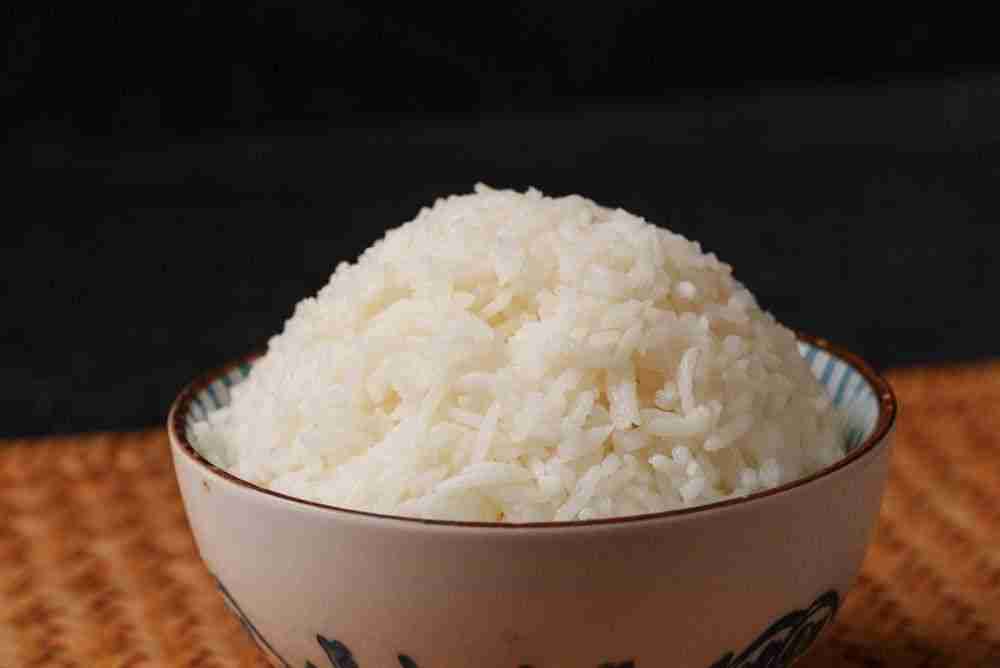
Understanding Rice Varieties and Their Unique Flavor Profiles
When it comes to rice, the diversity of varieties can be as captivating as the flavors they bring to the table. Each variety offers a unique taste, aroma, and texture, influenced by factors such as the soil in which it is grown, climatic conditions, and the methods of processing. For instance, Basmati rice is celebrated for its long grains and fragrant profile, making it the perfect companion for rich, spiced dishes. Meanwhile, Jasmine rice, with its slightly sticky texture and floral aroma, pairs wonderfully with Southeast Asian cuisine. Other types, like Arborio, are known for their creamy consistency when cooked, making them the star ingredient in risottos.
Understanding these varieties also involves appreciating how cultivation and processing impact flavor. Organic and traditional farming methods often yield rice with a more intense taste compared to mass-farmed types, which can be bland due to over-processing. The unique characteristics of each rice can be broken down into a few key categories:
- Texture: From fluffy to chewy, rice texture is crucial in determining how it complements a dish.
- Aroma: Varieties like Basmati and Jasmine have distinct fragrances that enhance the overall sensory experience.
- Flavor profile: Some rice types have nutty or sweet notes, vastly enriching the palate.
Ultimately, the artistry of selecting the right rice goes beyond just picking a name. It involves diving into its characteristics, understanding the origins, and recognizing how these elements weave into the tapestry of global cuisines.

The Role of Milling Techniques in Enhancing Taste and Aroma
The art of milling is not merely a mechanical process; it is a dance between tradition and innovation that profoundly impacts the sensory qualities of rice. Each milling technique influences the grain’s texture, taste, and aroma, thereby transforming the culinary experience. For instance, traditional stone milling retains more of the grain’s natural oils and nutrients, which can enhance the overall flavor profile. On the other hand, modern methods like abrasive milling offer a polished finish but may strip away some aromatic compounds, leading to a more uniform, albeit less complex, taste. Understanding these variations in milling techniques is crucial for chefs and home cooks alike, as it allows for deliberate choices in obtaining the desired flavor intensity and aroma.
To illustrate the significance of different milling techniques, consider the following factors:
- Grain Type: Different rice varieties respond uniquely to milling, affecting their final taste.
- Particle Size: Finer grains often cook differently and can absorb flavors more effectively.
- Temperature Control: High heat during milling can lead to a loss of volatile aromatics.
When deciding on a rice milling method, the following table summarizes key features that impact flavor:
| Milling Technique | Flavor Profile | Aroma Retention |
|---|---|---|
| Stone Milling | Rich, nutty | High |
| Abrasive Milling | Smooth, neutral | Medium |
| Wet Milling | Flavorful, moist | High |
By selecting appropriate milling techniques, one can unlock a spectrum of flavors, turning a simple bowl of rice into a culinary masterpiece. An informed approach to milling not only celebrates the rice itself but also enriches the entire dining experience.

Exploring Fermentation: A Flavor Revolution in Rice Processing
At the heart of culinary innovation lies the art of fermentation, a natural process that unlocks a treasure trove of flavors in rice. This age-old technique not only enhances taste but also transforms the sensory experience associated with rice dishes. Microorganisms, such as yeasts and bacteria, work their magic by breaking down starches and proteins, releasing an array of savory compounds that can elevate the simplest grain to gourmet status. Here are a few ways fermentation revolutionizes rice processing:
- Flavor Development: Fermentation introduces complex flavor profiles ranging from nutty to umami, adding depth to traditional dishes.
- Texture Modification: The fermentation process can alter the texture of rice, making it softer and more palatable.
- Nutritional Benefits: Fermented rice can enhance nutritional value by increasing vitamin content and improving digestibility.
Various cultures have embraced fermentation as a method of rice preparation, resulting in unique dishes that celebrate this technique. For instance, in Japan, sake production utilizes a specific strain of mold and yeast that transforms steamed rice into a fragrant alcoholic beverage. Similarly, in Korea, makgeolli, a traditional rice wine, showcases how fermentation can produce not just beverages but also cultural identity. Below is a simple comparison of popular fermented rice products:
| Product | Origin | Main Ingredients |
|---|---|---|
| Sake | Japan | Rice, Water, Koji mold, Yeast |
| Makgeolli | Korea | Rice, Water, Yeast, Nuruk (fermentation starter) |
| Idli | India | Rice, Urad dal (lentils), Salt |
Sustainability in Rice Production: Balancing Taste with Environmental Impact
In the intricate dance between flavor and sustainability, rice production stands at a crossroads, where culinary heritage meets environmental responsibility. With rice being a staple food for billions, its cultivation practices have far-reaching implications on our ecosystem. Sustainable techniques such as integrated pest management, water-efficient irrigation, and crop rotation not only enhance the flavor profile of rice but also minimize its carbon footprint. By adopting these practices, farmers can cultivate high-quality varieties that tantalize taste buds while preserving water resources and reducing chemical usage. The marriage of tradition and modernity allows for the cultivation of rice that is as mindful of the land as it is delightful to the palate.
Moreover, the environmental impact of rice production extends beyond the farm. The methods of processing and packaging contribute significantly to the overall sustainability of the crop. Transitioning to eco-friendly processing methods can reduce energy consumption and waste. For instance, employing solar drying instead of traditional drying techniques minimizes fossil fuel use and promotes a cleaner environment. Additionally, sustainable packaging made from biodegradable materials can further lessen the ecological footprint. A commitment to such practices not only fosters a richer flavor experience for consumers but also encourages a healthier planet for future generations.
Insights and Conclusions
As we journey through the intricate landscape of rice processing, we’ve unveiled the delicate dance between art and science that transforms humble grains into culinary masterpieces. From the meticulous cultivation methods that nurture the rice plants, to the innovative processing techniques that unlock flavors and textures, the story of rice is one steeped in tradition, yet ever-evolving in response to modern palates and sustainability needs.
Understanding the nuances of rice processing not only enhances our appreciation for this staple food but also allows us to embrace the rich tapestry of cultures that celebrate it. Whether it’s the fragrant basmati that graces Indian feasts or the sticky sushi rice integral to Japanese cuisine, each variety tells a story of its own.
As we conclude this exploration of rice, we invite you to reflect on your own culinary adventures with this versatile grain. The next time you savor a bowl of rice, remember the journey it undertook—the careful hands that harvested it, the precise techniques that polished it, and the rich history that flavors every bite. In unlocking the flavors of rice, we unlock a world of culinary possibilities, where tradition meets innovation and every grain speaks of the artistry and science behind global cuisine.



