
Unlocking the Art of Maize Milling: A Grain Revolution
In a world increasingly captivated by innovations in food production and sustainability, the humble grain of maize stands at the forefront of a transformative journey. Once relegated to the status of a simple staple, maize has found itself revitalized, becoming a linchpin in both culinary and agricultural practices worldwide. The art of maize milling is more than a method; it embodies a rich tapestry of history, culture, and technology that has evolved over centuries. As we peel back the layers of this grain revolution, we invite you to explore how modern milling techniques are not only enhancing the quality of maize products but also fostering community resilience and bolstering economies. Join us in this exploration of milling’s intricacies, its significance in today’s food systems, and its potential to reshape our relationship with one of humanity’s oldest crops.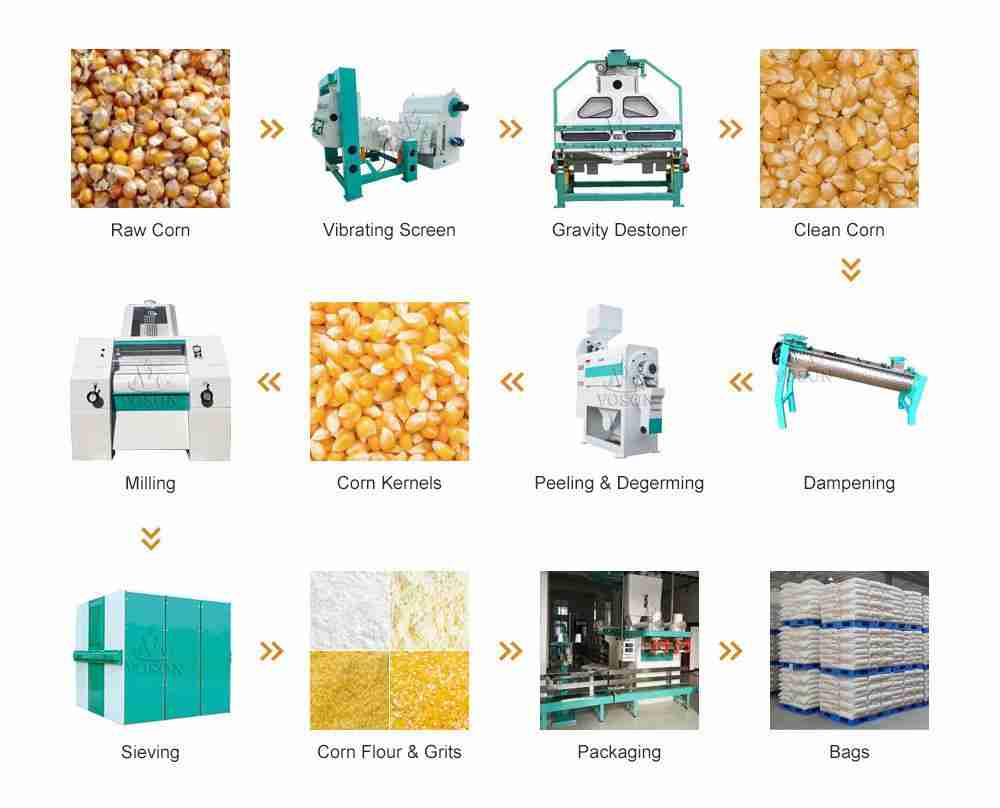
Exploring the Historical Roots and Cultural Significance of Maize Milling
The journey of maize milling transcends mere agricultural practice; it delves deep into the annals of history, where ancient civilizations harnessed the power of this versatile grain. Millennia ago, indigenous peoples of the Americas cultivated maize not just as a staple food but as a cornerstone of their cultural identity. The invention of milling technology not only facilitated the consumption of maize but also became a communal activity, symbolizing the bond among families and tribes. The methods varied from simple grinding stones to complex water-powered mills, each reflecting the innovations of its time while preserving traditional practices that have been passed down through generations.
As maize found its way across the globe, its milling processes adapted to diverse cultures, enriching culinary traditions worldwide. For instance, in Africa, maize milling is integral to preparing staple dishes like ugali and sadza, which hold immense cultural significance. Understanding the importance of maize milling reveals several key aspects:
- Economic Impact: Provides job opportunities and stimulates local economies.
- Culinary Diversity: Enhances regional dishes, emphasizing the varied applications of maize.
- Social Cohesion: Acts as a communal practice that strengthens family bonds during grinding sessions.
The evolution of maize milling reflects a canvas of human creativity and resilience, mirroring the societal shifts that have shaped our world.
Innovative Technologies Transforming the Maize Milling Landscape
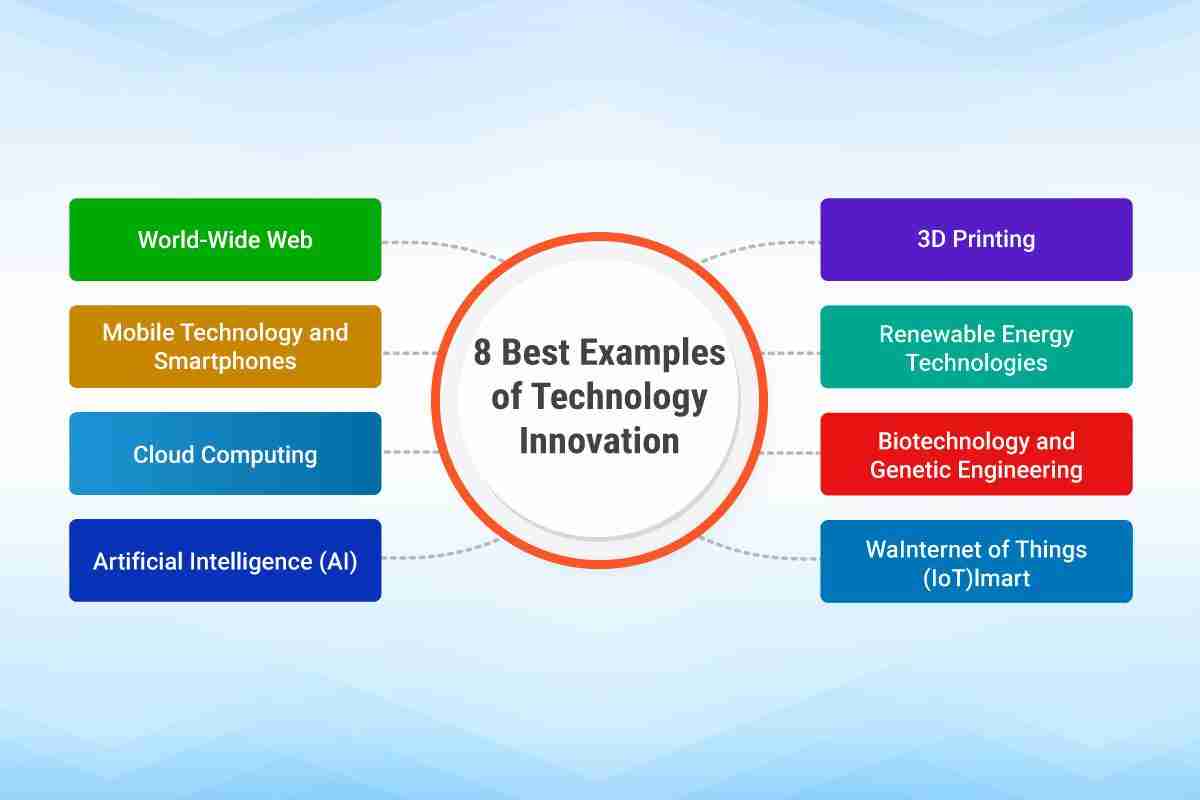
The maize milling industry is experiencing a dynamic transformation as cutting-edge technologies blend seamlessly with traditional practices. This revolution is characterized by the integration of smart machinery and automation, enhancing both efficiency and output quality. Modern milling systems have embraced advancements such as IoT (Internet of Things), enabling real-time monitoring of processes. With sensors and data analytics, millers can now predict maintenance needs, optimize energy consumption, and reduce waste, thereby maximizing productivity. Additionally, innovations in mill design have improved the percentage yield of flour, ensuring that no part of the maize goes to waste.
Moreover, sustainable practices are at the forefront of this technological evolution. Techniques such as solar energy utilization and waste recycling are becoming standard, further minimizing the environmental impact of milling operations. The introduction of biotechnology is also noteworthy, promising to enhance the nutritional profile of maize products. These advancements not only cater to the growing demand for healthier food options but also bolster economic viability for millers worldwide. Below is a brief comparison of traditional vs. innovative milling technologies:
| Aspect | Traditional Milling | Innovative Milling |
|---|---|---|
| Energy Efficiency | Low | High with renewable options |
| Production Speed | Manual and Slow | Automated and Rapid |
| Waste Management | Limited | Optimized through recycling |
| Quality Control | Basic | Advanced with IoT |

Sustainable Practices for Modern Maize Milling Operations
In the quest for a more sustainable future, modern maize milling operations are increasingly embracing eco-friendly methods that not only enhance efficiency but also minimize environmental impact. One of the primary practices involves transitioning to renewable energy sources such as solar and wind. These alternatives significantly reduce reliance on fossil fuels, creating a smaller carbon footprint. Additionally, implementing energy-efficient machinery helps optimize power consumption, ensuring that every watt is utilized effectively while increasing the longevity of milling equipment.
Another vital aspect of sustainable maize milling is the focus on waste reduction and resource recovery. By employing advanced technologies for by-product utilization, mills can transform what would traditionally be discarded into valuable goods. Examples include:
- Animal Feed: Transforming husks and maize bran into nutritious livestock feed.
- Bioenergy Production: Converting waste materials into biofuels, contributing to a circular economy.
- Natural Fertilizers: Using milling by-products in organic farming practices.
Furthermore, collaboration with local farmers and stakeholders can foster sustainable agricultural practices aimed at enhancing maize yield without depleting natural resources. To illustrate the potential of sustainable practices, consider the environmental impact measured by the following comparative statistics:
| Practice | Carbon Emissions Reduction (%) | Cost Savings ($ per ton) |
|---|---|---|
| Renewable Energy Adoption | 30 | 15 |
| Waste Recovery Techniques | 20 | 12 |
| Efficient Resource Management | 25 | 10 |
These metrics highlight the promise of sustainable operations in reducing carbon footprints and cutting costs, ultimately leading to a more resilient maize milling industry.

Maximizing Profitability: Strategies for Efficiency in Maize Processing
To truly unlock the potential of maize milling, processors must adopt innovative strategies that streamline operations while enhancing yield. Implementing automated machinery can significantly reduce labor costs and time spent on processing. By integrating smart technology, such as IoT devices and machine learning algorithms, processors can monitor machinery performance in real-time, identify inefficiencies, and predict maintenance needs. This technological integration not only boosts productivity but also enables millers to maintain consistent quality in their products, thus satisfying customer expectations while maximizing profit margins.
Furthermore, establishing a robust supply chain management system is crucial for optimizing raw material procurement and reducing waste. This involves collaboration with farmers to ensure a steady supply of high-quality maize, which can be achieved through direct purchasing agreements or cooperative models. Additionally, processors should consider employing green practices that minimize the environmental impact of milling operations. These can include utilizing by-products in feed production or energy generation. Here’s how these strategies can be effectively implemented:
| Strategy | Benefits |
|---|---|
| Automated Machinery | Reduces labor costs and increases processing speed. |
| IoT Integration | Enhances real-time monitoring and predictive maintenance. |
| Supply Chain Partnerships | Ensures high-quality raw materials and reduces procurement costs. |
| Green Practices | Minimizes waste and promotes sustainability, attracting eco-conscious consumers. |
Future Outlook
As we draw the curtain on this exploration of maize milling, we find ourselves standing at the intersection of tradition and innovation. The journey through the grain revolution reveals not only the intricate art of milling but also its profound implications for food security, economic development, and cultural heritage. Embracing modern techniques alongside time-honored practices, the maize milling industry is poised for transformation, ensuring that the humble maize kernel continues to be a cornerstone of sustenance around the globe.
With each turn of the millstone and every grain processed, we are reminded of the potential locked within this essential crop. As we look to the future, may the lessons learned and the techniques mastered guide us towards more sustainable and efficient practices. In unlocking the art of maize milling, we not only celebrate the grain itself but also the rich tapestry of communities and cultures it nourishes. Let us carry this knowledge forward, fostering a world where the power of maize truly flourishes.



