
In the heart of bustling villages and the serene stretches of rural landscapes, the rhythmic sound of grinding grain continues to echo through time. The rice mill industry, once a humble craft rooted in tradition, has undergone a remarkable transformation, merging age-old practices with innovative technology in an ever-evolving landscape. As the demand for high-quality rice surges in a global market, modern mills are redefining how we perceive grain processing, elevating it beyond mere sustenance to a symbol of economic vitality and cultural heritage. Journey with us as we explore the dynamic evolution of the rice mill industry, where the past meets the present, and discover how this vital sector adapts to contemporary challenges while honoring its rich legacy.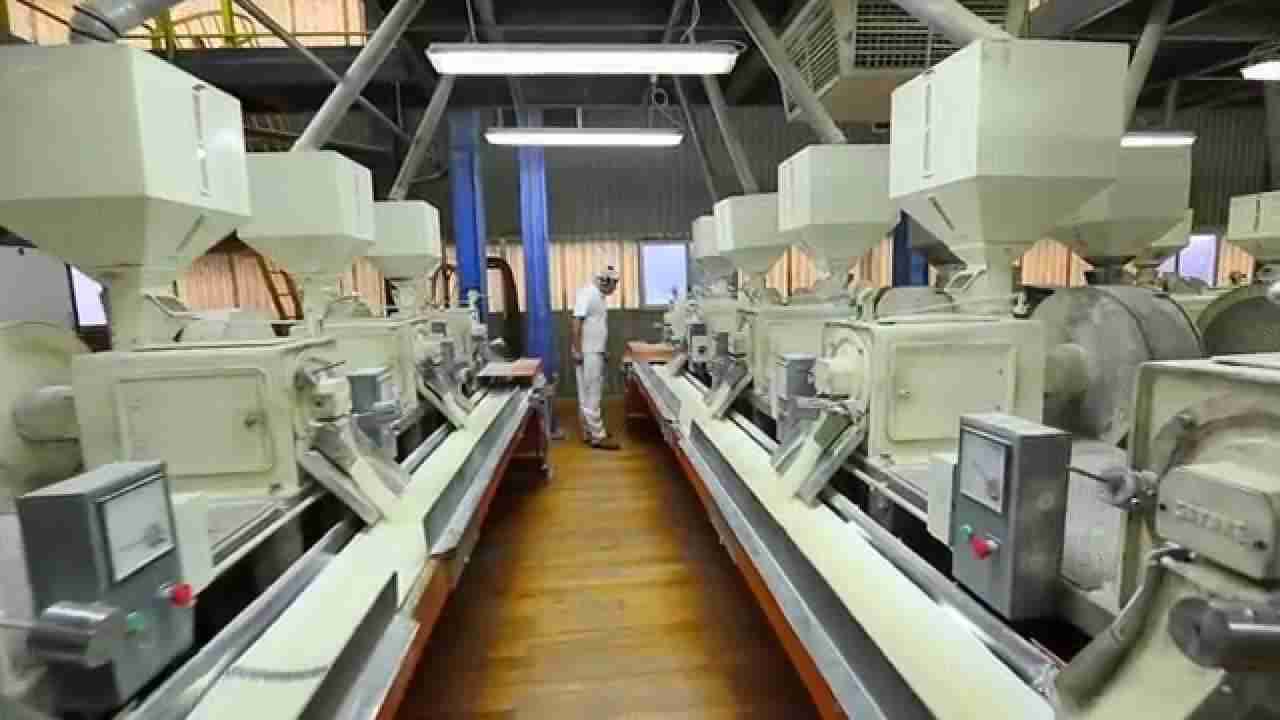
The Evolution of Rice Milling: From Traditional Methods to Modern Innovations
The journey of rice milling has undergone a remarkable transformation, evolving from rudimentary techniques to sophisticated, technology-driven processes. Traditionally, rice was milled using hand-operated tools that relied on the strength and skill of the laborer. This method, though steeped in cultural significance, was labor-intensive and often yielded inconsistent results. As populations grew and the demand for rice increased, the need for efficiency drove innovations in milling technology. Mechanical milling emerged, enabling the production of polished white rice, which often became a staple in households across the globe.
By the 20th century, significant advancements began to shape the industry further. Modern rice mills incorporate automated machinery and digital technologies, ensuring precision and scalability in production. Today, mills utilize innovative techniques such as:
- Color Sorters: High-tech machines that sort rice based on quality and color to ensure only the best grains reach the consumer.
- Submerged Milling: A technique that reduces breakage and enhances the preservation of nutrients.
- Solar Drying: Harnessing renewable energy to efficiently dry harvested rice, reducing dependency on fossil fuels.
These advancements not only improve the efficiency of production but also address sustainability concerns in the industry. The modern milling process is characterized by the integration of smart technology, allowing for real-time monitoring and analysis of milling operations. Below is a brief comparison of traditional and modern rice milling:
| Aspect | Traditional Method | Modern Method |
|---|---|---|
| Efficiency | Low | High |
| Labor Intensity | High | Low |
| Quality Control | Manual | Automated |
| Sustainability | Limited | Enhanced |
As the rice milling industry continues to modernize, it embraces both tradition and innovation, ensuring a resilient future while honoring its rich heritage.

Sustainability in the Grain Industry: Embracing Eco-Friendly Practices
As the demand for sustainable practices grows, the grain industry, particularly in rice milling, is undergoing a critical transformation. Traditional methods often relied heavily on fossil fuels and extensive water usage, prompting a shift towards more eco-friendly operations. Modern rice mills are now embracing techniques that not only enhance efficiency but also minimize their ecological footprint. Some of the key approaches include:
- Solar Energy Utilization: Integrating solar panels to power milling equipment reduces reliance on non-renewable energy sources.
- Water Conservation Measures: Implementing drip irrigation and rainwater harvesting systems to support rice cultivation.
- Waste Reduction Strategies: Recycling by-products, such as rice husks and bran, for bioenergy production or as animal feed.
- Organic Farming Practices: Encouraging farmers to reduce chemical inputs, leading to healthier soil and biodiversity.
Incorporating technology further enhances sustainability in the industry. Data-driven solutions enable more precise monitoring of water usage and crop conditions, leading to better decision-making. As rice mills invest in cleaner technologies, they are not only boosting profitability but also creating a ripple effect, encouraging farmers to adopt sustainable practices themselves. Innovations such as:
| Technology | Benefit |
|---|---|
| Precision Agriculture | Optimizes inputs and boosts yields while conserving resources. |
| Biogas Production | Transforms waste into energy, reducing reliance on fossil fuels. |
| Smart Irrigation Systems | Minimizes water usage and decreases wastage. |

Technology in Action: How Automation is Transforming Rice Mills
The integration of automation within rice mills has revolutionized the way grains are processed, enhancing both efficiency and output. With technologies such as robotic sorting and sensors for moisture measurement, rice milling is no longer a labor-intensive process but rather a seamless, machine-driven operation. Automated systems allow for precision in sorting high-quality grains, which ensures that only the best rice reaches the market. Additionally, digital monitoring systems provide real-time data analytics to optimize production schedules and reduce wastage, making rice milling more sustainable and economically viable.
Transitioning from traditional methods to automated setups has introduced numerous benefits, not only for mill operators but also for consumers. By employing technology in key areas, such as automated husking and polishing machines, rice mills can significantly improve turnaround times and meet steep market demands without compromising quality. The technological enhancement of rice mills has fostered a competitive edge that is reflected in improved product consistency and packaging efficiency, ultimately leading to higher customer satisfaction. Here’s a quick comparison of traditional vs. automated practices in rice milling:
| Aspect | Traditional Method | Automated Method |
|---|---|---|
| Labor Requirement | High | Low |
| Processing Speed | Slow | Fast |
| Quality Control | Manual | Automated |
| Wastage | Higher | Lower |
Quality Assurance and Consumer Trust: Best Practices for Modern Processing
In the modern landscape of grain processing, ensuring quality assurance is paramount for fostering consumer trust. Implementing rigorous testing protocols at various stages of production not only enhances product reliability but also reinforces the brand’s commitment to excellence. Essential best practices include:
- Regular Quality Testing: Conduct comprehensive assessments of raw materials and final products to identify any contaminants or inconsistencies.
- Traceability Systems: Establish a transparent chain of custody that allows consumers to trace the origins of their rice back to the source.
- Third-Party Certifications: Engage recognized organizations to validate quality standards, giving consumers confidence in the safety and authenticity of the products.
By prioritizing these strategies, rice mills can cultivate a reputation for reliability. Building consumer trust also involves effective communication regarding quality policies and any initiatives undertaken to improve processing methods. Utilizing platforms such as social media or company websites can create an interactive dialogue with consumers, where feedback loops further enhance the transparency of operations. Consider the following table summarizing key components of a consumer trust strategy:
| Component | Description |
|---|---|
| Transparency | Openly share sourcing and processing practices. |
| Customer Feedback | Actively solicit and respond to consumer opinions. |
| Educational Content | Provide information about product benefits and usage. |
Future Outlook
As we wrap up our exploration of the modern journey of the rice mill industry, it’s clear that the simple act of grinding grain has evolved into a complex interplay of tradition, technology, and sustainability. From the rustic millstones of yesteryear to the high-tech facilities that now propel the industry forward, the journey reflects not just an economic activity, but a cultural heritage deeply rooted in communities around the world.
The modern rice mill, while showcasing cutting-edge processes and innovations, remains tethered to its origins—an homage to the farmers who cultivate the crop and the consumers who rely on its nourishment. As we navigate challenges like climate change and the demand for sustainable practices, the industry stands at a crossroads, ripe with opportunities for innovation and growth.
Ultimately, the story of grinding grain is one of resilience and adaptation. It is about the balance between preserving our culinary traditions and embracing the advancements of the future. As we look ahead, let us acknowledge the vital role that rice mills play not only in feeding a growing population, but also in sustaining livelihoods, cultures, and ecosystems. The toil and craftsmanship behind each grain milled echo the hands that harvest them, reminding us that in every bowl of rice, there lies a rich narrative waiting to be told.



