
In the heart of countless kitchens and the foundation of numerous communities lies a staple that has nourished generations: maize. This versatile grain, celebrated for its robust flavor and diverse applications, has transcended its agricultural roots to become a cornerstone of culinary traditions worldwide. Yet, beyond its status as a dietary essential, the journey of maize from field to flour encapsulates a fascinating blend of art and science—an intricate process known as maize milling.
In this article, we embark on a comprehensive exploration of maize milling, delving into the techniques that transform harvested kernels into the fine grains that grace our tables. From the age-old methods employed by traditional millers to the cutting-edge technology that modern mills utilize, we will uncover the principles and practices that govern this essential trade. Join us as we unpack the delicate balance of creativity and precision that defines maize milling, revealing how craftsmanship and innovation intertwine to shape not only the texture and taste of our favorite foods but also the livelihoods of those who dedicate their lives to this noble craft.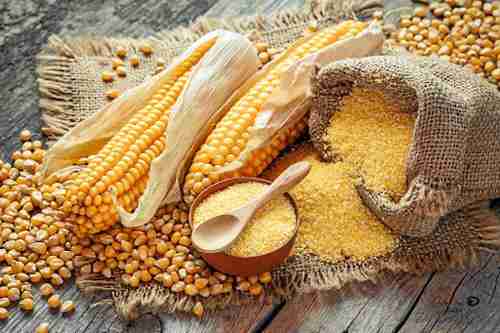
Exploring the Historical Significance of Maize Milling Techniques
Maize milling, a practice deeply rooted in various cultures, has played a pivotal role in shaping agricultural economies and culinary traditions around the world. From the ancient civilizations of Mesoamerica, where the indigenous peoples mastered the techniques of nixtamalization, to modern industrial processes, milling has evolved while retaining its cultural significance. Traditional methods such as grinding with stones or using wooden mortars provided not only nourishment but also fostered community and connected generations through shared practices. The nuanced flavors and textures obtained through these artisanal techniques are cherished staples in many cuisines, a testament to the skill and knowledge passed down through centuries.
The historical journey of maize milling is marked by significant innovations that transformed societies. Key influences that helped propel maize milling practices include:
- Industrial Revolution: Introduction of mechanized milling, enhancing efficiency and output.
- Agricultural Practices: Advances in maize cultivation, leading to a surge in harvests and the need for processing.
- Trade and Economics: Establishment of market systems that linked maize milling with local and global economies.
These developments not only facilitated the mass production of maize products but also highlighted the interdependence between technology and culture. The intricate relationship between historic milling techniques and socio-economic structures illustrates how a simple grain can influence the trajectory of human civilization.

Understanding the Nutritional Impact of Different Milling Methods
When considering the nutritional impact of various milling methods, it’s essential to recognize how each technique affects the composition of maize. The most common methods include traditional stone milling, roller milling, and hammer milling, each producing distinctly different products due to the mechanical processes involved. Traditional stone milling retains much of the grain’s natural bran and germ, leading to flour that is rich in fiber, vitamins, and minerals. In contrast, modern roller milling can strip away essential nutrients along with the bran and germ, resulting in a finer flour that is often favored for its baking qualities but may lack the nutritional density of its coarser counterparts.
The nutritional differences become more evident when we analyze the outcomes of these methods in a tabular format. Below is a concise comparison of the key nutrients retained in maize flour derived from each milling style:
| Milling Method | Fiber (g/100g) | Protein (g/100g) | Fat (g/100g) |
|---|---|---|---|
| Stone Milling | 7.0 | 8.0 | 4.5 |
| Roller Milling | 2.5 | 6.5 | 2.0 |
| Hammer Milling | 5.0 | 7.0 | 3.5 |
This table illustrates that the method of milling significantly influences the nutrient profile, potentially affecting dietary choices and health outcomes. As consumers become more health-conscious, they may prefer flour grounded through traditional methods for its wholesome qualities, seeking not just culinary enjoyment but also tangible health benefits in their meals. The choice of milling method thus plays a vital role in promoting or detracting from the nutritional value of maize products, echoing the notion that how food is processed can be just as crucial as the food itself.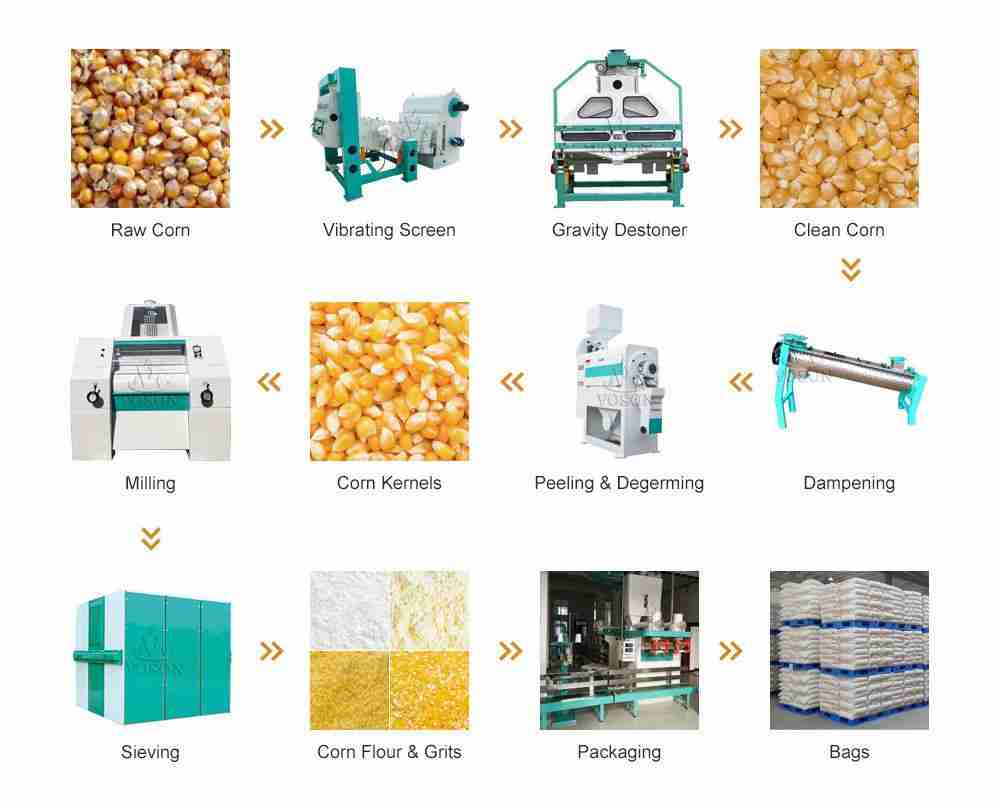
Optimizing Maize Milling for Sustainable Practices and Quality Control
In the quest for sustainable practices in maize milling, the integration of modern technology and traditional methods has become a focal point. By embracing renewable energy sources, mills can significantly reduce their carbon footprint while maximizing efficiency. For instance, utilizing solar panels can power milling operations during peak sunlight hours, cutting down on reliance on fossil fuels. Additionally, employing water conservation techniques within milling processes helps minimize waste, ensuring that every grain is processed with care. Innovations like closed-loop water systems not only save precious resources but also enhance the quality of the final product by maintaining optimal milling conditions.
Quality control in maize milling extends beyond just the end product; it begins at the farm level. Establishing stringent quality assessment protocols ensures that only the best maize is selected for milling. Features such as kernel hardness, moisture content, and absence of contaminants should be meticulously evaluated. Consider implementing a multi-tier quality check system, including the following steps:
| Step | Action | Outcome |
|---|---|---|
| 1 | Farm selection | High-quality maize |
| 2 | Pre-processing inspection | Removal of defective kernels |
| 3 | Continuous monitoring | Consistent milling quality |
With an emphasis on trainings and workshops, mill operators can better understand the intricacies of both sustainable practices and quality control measures. As the industry evolves, it will be vital to foster a culture of constant improvement and adaptation, where stakeholder collaboration leads to innovations that benefit both producers and consumers. By addressing these key elements, the maize milling sector can enhance its sustainability efforts and ensure that high-quality maize flour remains a staple product in the market.

Innovative Technologies Shaping the Future of Maize Milling Processes
The landscape of maize milling is undergoing a remarkable transformation, fueled by advancements in technology that enhance both efficiency and product quality. Digitalization plays a key role, allowing mill operators to monitor and control processes in real time through IoT (Internet of Things) enabled devices. This interconnectedness ensures that every grain is treated with precision, significantly reducing waste and optimizing energy consumption. Additionally, AI-driven analytics empowers milling professionals to make data-informed decisions, leading to smarter resource allocation and maintenance strategies. The integration of robotics also streamlines workflows, from loading and unloading to sorting and packaging, thereby increasing throughput while minimizing labor costs.
Moreover, sustainability has become an essential consideration in contemporary milling practices. Innovative techniques such as dry milling reduce water usage, while advancements in energy-efficient machinery lower the carbon footprint of maize processing. The introduction of bioprocessing methods, which utilize microorganisms to enhance starch conversion, opens new avenues for producing high-quality byproducts, including biofuels and bioplastics. As consumer demand shifts towards more environmentally friendly options, milling operations are adapting by investing in renewable energy sources and waste recycling technologies. These innovations not only yield higher profits but also create a more sustainable future for the maize milling industry.
The Conclusion
As we close the chapter on our exploration of maize milling, we reflect on the intricate dance between art and science that shapes this vital process. From the careful selection of kernels to the precise calibration of milling machinery, each step embodies a blend of tradition and innovation. The rhythmic hum of the mill echoes the legacy of generations while also ushering in advancements that promise enhanced sustainability and efficiency.
In a world that increasingly values both cultural heritage and technological progress, maize milling stands as a testament to humanity’s ability to adapt and evolve. As we savor the flavors of our favorite dishes made from this versatile grain, let us appreciate the unseen diligence that transforms humble maize into nourishing ingredients.
The story of maize milling is not just about production; it’s about connection—to the land, to our communities, and to the fundamental act of sustenance. As we part ways with this topic, may we carry forward a deeper understanding of the processes that shape our food systems and the craftsmanship that nourishes our bodies and souls. In every grain, there lies a tale worth telling.



