
In the dawn of breakfast, where the crunch of flakes often heralds the start of a new day, lies a fascinating narrative waiting to be told. “Unraveling the Art of Cereal Processing: A Grain Revolution” invites readers to explore the transformative journey of grains—from humble fields to vibrant breakfast bowls. As societal demands for convenience and nutrition evolve, so too has the cereal industry, adapting ancient techniques with modern innovations. This article delves into the intricate processes behind cereal production, shedding light on the science that turns raw grains into the familiar shapes and textures we love. Join us as we navigate the multifaceted world of cereal processing, where tradition meets technology in a harmonious blend that not only satisfies our taste buds but also shapes the future of food.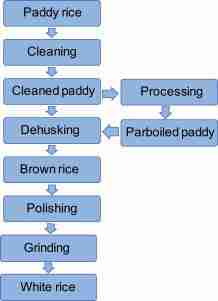
Cereal Processing Techniques Transforming Grain into Nutritional Powerhouses
Cereal processing techniques have significantly evolved over the years, transforming humble grains into vibrant nutritional powerhouses. These processes not only enhance the nutritional profile of cereals but also improve their taste, texture, and shelf life. Techniques such as milling, fermentation, and extrusion are pivotal in unlocking the hidden benefits of grains. Milling, for example, refines whole grains into flour, making them versatile ingredients suitable for a variety of culinary masterpieces. Fermentation, on the other hand, introduces beneficial bacteria that not only boost health benefits but also create unique flavors, fostering a new generation of probiotic-rich cereals.
Furthermore, the use of extruded cereals has taken the health food industry by storm, creating light and crunchy snacks that don’t compromise on nutritional value. The extrusion process subjects grains to high pressure and temperature, leading to rapid gelatinization and expansion. This results in a product that retains its nutrients while offering a delightful crunch. The following table highlights some of the key processing techniques and their nutritional benefits:
| Processing Technique | Nutritional Benefits |
|---|---|
| Milling | Increased digestibility; removal of bran enhances ability to absorb nutrients |
| Fermentation | Boosts probiotics; enhances vitamin B through microbial action |
| Extrusion | Improves texture and crunch; retains essential vitamins and nutrients |

Innovative Ingredients Shaping the Future of Breakfast Foods
The future of breakfast foods is being redefined by a host of innovative ingredients that promise to elevate our morning routines. Ingredients like quinoa, chia seeds, and spirulina are not just trendy superfoods; they are revolutionizing our understanding of what breakfast can be. Quinoa offers a complete protein profile, which is especially appealing to those on plant-based diets. Chia seeds boast impressive omega-3 fatty acids, making even the simplest cereal exceptionally nutritious. Spirulina, with its vibrant blue-green hue, is gaining traction as a compelling source of vitamins and minerals, making it an attractive addition to breakfast bowls.
Another exciting trend is the incorporation of functional ingredients that enhance not only the taste but also the health benefits of breakfast cereals. Additives like prebiotic fibers, plant-based protein powders, and adaptogens are making their way into formulations, creating a multi-faceted breakfast experience. These components work together to improve gut health, balance hormones, and improve energy levels, transforming traditional cereals into powerful, health-boosting meals. The growing interest in environmentally friendly packaging and sustainable sourcing further amplifies the industry’s push towards a grain revolution, ensuring that our breakfasts are not only good for us but also good for the planet.
| Ingredient | Key Benefits |
|---|---|
| Quinoa | Complete protein, gluten-free |
| Chia Seeds | Rich in omega-3s, high fiber |
| Spirulina | High in nutrients, antioxidant properties |
| Prebiotic Fiber | Improves gut health, boosts digestion |
| Plant-Based Protein | Supports muscle health, energy boost |

Sustainability in Cereal Production: Balancing Quality and Environment
In the quest for sustainable cereal production, farmers and producers are increasingly focusing on methods that ensure both quality and environmental preservation. This involves embracing innovative agricultural practices that not only enhance yield but also protect natural ecosystems. Techniques such as crop rotation, reduced pesticide use, and the integration of cover crops are becoming essential components of this approach. By prioritizing soil health and employing organic farming methods, producers are achieving a balance that fosters biodiversity while still meeting consumer demands for high-quality cereals.
Moreover, the processing phase of cereal production is integrating sustainability into its core operations. Advanced technologies are being implemented to optimize energy use and reduce waste during the milling and packaging stages. As a result, many companies are now focusing on:
- Water conservation: Techniques for minimizing water usage during processing.
- Renewable energy sources: Utilizing solar and wind power to operate mills.
- Eco-friendly packaging: Shifting towards biodegradable and recyclable materials.
To further illustrate these practices, consider the impact of transitioning to sustainable sourcing on a typical cereal product. The table below highlights key benefits of sustainable cereal production techniques:
| Aspect | Traditional Practices | Sustainable Practices |
|---|---|---|
| Environmental Impact | High pesticide use | Minimal pesticide use |
| Soil Health | Degradation | Enhanced fertility |
| Resource Efficiency | High water consumption | Water-efficient practices |

Consumer Preferences Driving the Evolution of Cereal Varieties
The dynamics of consumer preferences are reshaping the landscape of cereal offerings, steering manufacturers toward innovation that caters to diverse dietary needs and lifestyle choices. As consumers become increasingly health-conscious, there is a growing demand for cereals that prioritize nutritional value. This evolution is reflected in the emergence of options such as whole grain varieties, high-protein blends, and those fortified with essential vitamins and minerals. Additionally, the rise of plant-based diets has spurred the introduction of cereals featuring alternative protein sources like legumes, nuts, and seeds, appealing to environmentally-aware consumers who seek sustainable food choices.
Moreover, the enhancement of flavor profiles and textures has become a pivotal factor in consumer satisfaction. Today’s market showcases an array of options that go beyond traditional sweet or bland profiles, as brands experiment with ingredients like exotic spices, superfoods, and unique grain combinations. This trend caters to adventurous eaters and those who crave variety in their breakfast routine. A notable aspect is the customization trend, where cereals can be tailored to individual tastes, allowing consumers to select toppings, sweetness levels, and even the base grain. The intersection of health, flavor, and personalization is leading to an exciting revolution in how cereals are made and enjoyed.
| Cereal Type | Key Features | Target Audience |
|---|---|---|
| Whole Grain | High fiber, essential nutrients | Health-conscious consumers |
| Protein-Enriched | Extra protein from legumes/nuts | Fitness enthusiasts |
| Gluten-Free | Uses gluten-free grains | Gluten-intolerant individuals |
In Summary
As we reach the end of our exploration into the intricate world of cereal processing, it’s clear that this grain revolution is far more than a simple transformation of raw ingredients. It is a complex interplay of science, craftsmanship, and innovation that shapes the very foundation of our daily diets. From the fields of golden grains to the breakfast tables around the globe, cereal processing encapsulates a journey that combines age-old traditions with modern technology.
In understanding the nuanced techniques involved in milling, toasting, and fortifying cereals, we also gain insight into sustainability, nutrition, and the cultural significance of food. As consumers, our awareness can inspire positive changes within the industry that foster better practices, enhance health, and celebrate the diverse flavors and textures cereals have to offer.
As we move forward in an ever-evolving food landscape, let us appreciate and support the ingenuity behind cereal processing. Each bowl we fill serves not only as nourishment but as a testament to the ongoing quest for improvement in how we produce and consume our food. The grain revolution is here, inviting us to delve deeper into its chapters and savor the stories waiting to unfold.



