
Revving Up Quality: The Jet Rice Polisher Revolution
In the bustling world of food production, where quality meets innovation, a new marvel has emerged to transform the way we perceive rice processing. Enter the Jet Rice Polisher—a technological advancement that not only enhances the aesthetic appeal and nutritional value of rice but also streamlines the polishing process itself. As the demand for premium products rises in both local and global markets, this revolutionary machine stands at the forefront of a new era in rice milling. With its high-speed capabilities and precision engineering, the Jet Rice Polisher is redefining standards, ensuring that every grain not only meets but exceeds expectations. Join us as we explore the intricacies of this cutting-edge technology, its impact on the industry, and how it is set to change the culinary landscape for rice lovers everywhere.
The Science Behind Jet Rice Polishing Technology
The innovative jet rice polishing technology represents a significant leap forward in the milling industry. Unlike traditional methods that rely on abrasive polishing techniques, jet polishing employs a combination of high-pressure air and finely tuned water jets to achieve a superior level of rice refinement. This method minimizes the breakage of grains while ensuring that the outer bran layers are evenly polished. With adjustments made to the air and water pressure, millers can achieve different levels of brightness and texture, catering to a variety of consumer preferences.
The efficacy of this technology is not only evident in the polished appearance of the rice but also in its nutritional retention. Key benefits include:
- Lower Breakage Rate: Jet rice polishing reduces the chances of broken grains, leading to higher yields.
- Enhanced Nutritional Value: The gentle polishing process preserves more vitamins and minerals compared to conventional methods.
- Consistent Quality: Millers can achieve uniformity in the polished product, ensuring customer satisfaction.
| Feature | Traditional Polishing | Jet Polishing |
|---|---|---|
| Grain Breakage | Higher | Lower |
| Nutritional Retention | Lower | Higher |
| Consistency | Variable | Highly Consistent |

Enhancing Grain Quality: Benefits for Producers and Consumers
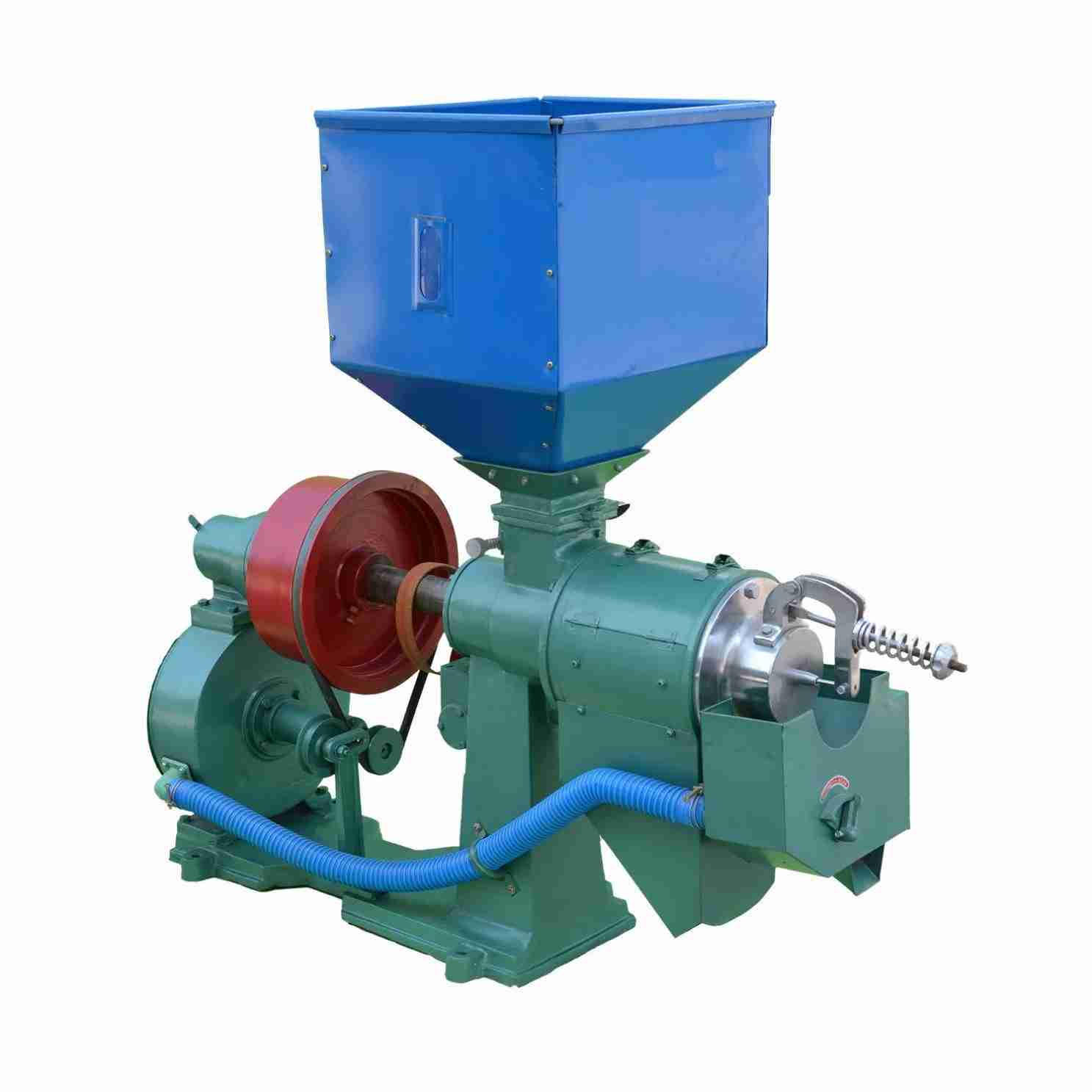
With the advent of advanced technology, producers are now equipped with tools that can significantly elevate the quality of their grain. One of the standout innovations is the Jet Rice Polisher, a machine that streamlines the polishing process while minimizing grain breakage. This not only enhances the aesthetic appeal of rice but also improves its nutritional value. By producing visually appealing and nutrient-rich grains, producers can cater to a more discerning market. The result is a potential increase in demand, leading to better profit margins and a stronger position in competitive markets.
For consumers, the benefits of high-quality grains extend beyond mere appearance. Enhanced grain quality can lead to improved cooking performance and taste, making meals more enjoyable. Furthermore, with better processing methods, the retention of essential nutrients is prioritized. This means that consumers can expect not only a delightful culinary experience but also greater health benefits. As grain quality improves, there is also a ripple effect on sustainability; producers can reduce waste and ensure that every grain meets the highest standards. The advantages are clear, creating a win-win scenario for everyone involved.
Best Practices for Implementing Jet Rice Polishers
The successful implementation of Jet Rice Polishers hinges on a few key strategies that enhance operational efficiency and product quality. First and foremost, it is crucial to invest time in comprehensive training for your operators. Familiarity with the machine’s features and best practices leads to optimal performance and reduces the risk of errors. This training should include an understanding of the various settings that control polishing intensity and the duration of each cycle, ensuring that each batch meets your specific quality standards. Additionally, regular maintenance schedules should be established to keep the machines in prime condition, reducing downtime and prolonging the lifespan of the equipment.
Another important aspect to consider is the integration of quality control measures throughout the polishing process. Monitoring the grain quality at different stages helps identify potential issues early on. Implementing a feedback loop allows operators to adjust settings dynamically based on real-time observations, ensuring that every batch meets consumer expectations. Furthermore, collecting data on the performance of the Jet Rice Polishers can provide insights into trends and areas for improvement. Utilizing this data effectively can streamline operations and enhance overall product consistency. Establishing a collaborative culture among the operating teams fosters innovation and encourages the sharing of best practices, further enriching the production process.
Navigating the Future of Rice Processing Innovations
The landscape of rice processing is evolving rapidly, driven by innovations that enhance efficiency and product quality. Among these advancements is the jet rice polisher, a revolutionary technology that employs high-velocity jets of air to refine and polish rice grains without the excessive friction that traditional methods often entail. This not only reduces the broken grains but also preserves the nutritional integrity of the rice. Some key benefits of jet polishing include:
- Reduced Breakage: The gentle process minimizes cracks and splits.
- Improved Appearance: The glossy finish boosts market appeal.
- Energy Efficiency: Less power consumption compared to conventional polishing methods.
As processors embrace this technology, they are also able to experiment with various options to enhance the rice’s flavor and texture. For instance, integrating flavor and aroma enhancement during the polishing phase can attract niche markets looking for gourmet products. The broad potential of the jet rice polisher is showcased in the following table:
| Feature | Traditional Polishing | Jet Rice Polishing |
|---|---|---|
| Grain Integrity | High breakage rate | Low breakage rate |
| Energy Usage | Higher consumption | Lower consumption |
| Market Appeal | Moderate | High |
This shift towards more advanced processing technologies highlights the importance of adapting to consumer demands while also ensuring sustainability in production. As the industry continues to evolve, staying ahead of these trends will not only benefit producers but also offer consumers superior rice options that meet modern standards of quality and taste.
Insights and Conclusions
As we wrap up our exploration of the Jet Rice Polisher and its transformative impact on the rice milling industry, it’s clear that innovation continues to drive quality enhancement in unexpected ways. The Jet Rice Polisher not only refines the grain, elevating its appearance and appeal, but also signifies a broader shift towards efficiency and sustainability in food processing. As consumers become increasingly discerning about the products they choose, technologies like these will play a crucial role in meeting those expectations while fostering a commitment to quality and excellence.
Whether you’re a producer looking to enhance your offerings or a consumer curious about the journey of your food, the advancements in grain polishing technology serve as a reminder that even the smallest changes can lead to significant improvements. The Jet Rice Polisher is not just a tool; it represents the future of rice production—a future where quality reigns supreme and innovation knows no bounds. As we look ahead, it’s exciting to consider what other breakthroughs await just around the corner, ready to revolutionize our experiences with food.



