
Transforming Grain: The Art and Science of Paddy Processing
In the heart of every vibrant rice-growing region lies a complex interplay of tradition and innovation, where the humble paddy transforms into a staple that nourishes billions. The journey from field to bowl is not merely a sequence of steps; it’s a meticulous dance that blends the rhythms of nature with the precision of modern technology. As farmers cultivate their crops under the watchful sun, a silent metamorphosis begins—a transformation that demands an understanding of the delicate balance between art and science. This article delves into the fascinating world of paddy processing, exploring the techniques that refine grains into their final form. From the age-old methods passed down through generations to cutting-edge machinery and research innovations, we uncover the processes that ensure quality, sustainability, and a robust supply chain. Join us as we unravel the intricate tapestry woven by the elements, expertise, and effort, shedding light on the vital role paddy processing plays in global food systems.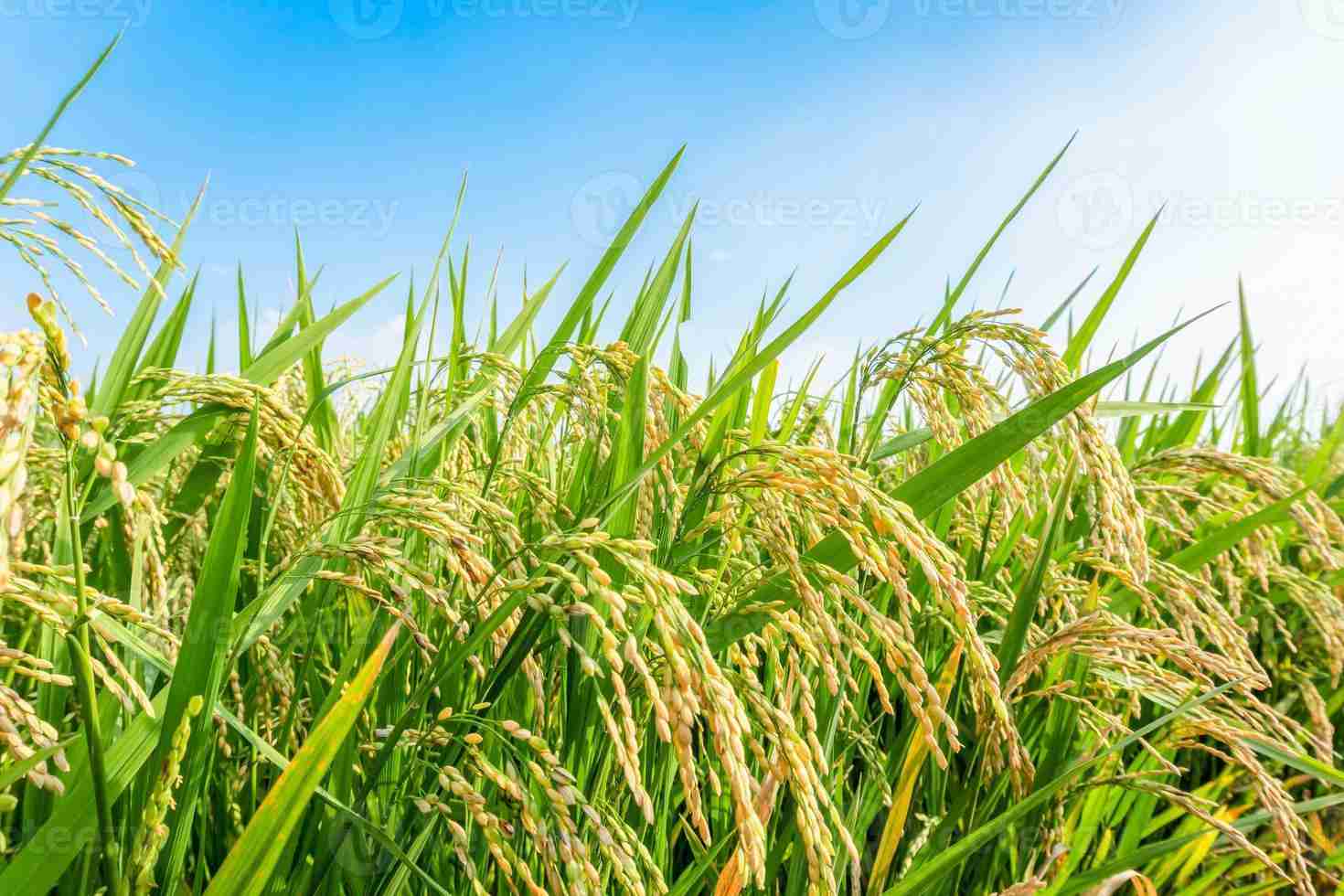
Understanding the Lifecycle of Paddy: From Field to Table
The journey of paddy from fertile fields to our dining tables is a complex process that intertwines both traditional techniques and modern technology. Initially, the paddy is harvested using a variety of methods, including manual labor with sickles or mechanized harvesters, depending on the scale of the farm. The grains are then carefully transported to processing facilities, where they undergo several essential steps to transform them into the white rice we are familiar with. This transformation involves drying, milling, and polishing, each step requiring precision to maintain the grain’s quality and nutritional value.
At the heart of paddy processing lies a series of sophisticated machines that work in harmony to enhance the rice’s quality. The process typically includes:
- Cleaning: Removal of debris and impurities.
- De-hulling: Separating the husk from the grain.
- Milling: Grinding the grain to achieve the desired texture.
- Polishing: Enhancing the appearance and shine of the rice.
To illustrate the stages of rice processing, consider the breakdown in the table below:
| Processing Stage | Description | Purpose |
|---|---|---|
| Harvesting | Collecting ripe paddy crops | Gather raw material for processing |
| Drying | Reducing moisture content | Prevent spoilage during storage |
| Milling | Grinding to remove the husk | Producing edible rice |
| Packaging | Sealing processed rice for sale | Ensure freshness and quality |

The Role of Technology in Enhancing Paddy Processing
The integration of modern technology in paddy processing has revolutionized the way farmers and processors handle rice production, enhancing efficiency and quality. Advanced machinery such as automated hullers, modern dryers, and color sorters enable faster processing times, significantly reducing labor costs and wastage. For instance, mechanized paddy threshers automate the separation of rice grains from husks, leading to a remarkable increase in yield and purity. The use of IoT (Internet of Things) devices allows real-time monitoring of the processing environment, ensuring optimal conditions for storage and preventing spoilage due to humidity or pests.
Moreover, data-driven technologies are playing a pivotal role in optimizing paddy processing techniques. By employing machine learning algorithms, processors can analyze patterns and improve decision-making regarding the quality of rice. Several stakeholders are now leveraging cloud-computing platforms that facilitate easier access to market prices and processing techniques, empowering farmers to make informed choices. The following table shows some of the key technological advancements and their impacts:
| Technology | Impact on Paddy Processing |
|---|---|
| Automated Hullers | Increase processing speed and reduce labor costs |
| IoT Devices | Monitor storage conditions in real-time |
| Machine Learning | Enhances decision-making based on data analysis |
| Cloud-computing Platforms | Provides market insights and processing tips |
Nutritional Benefits of Properly Processed Rice
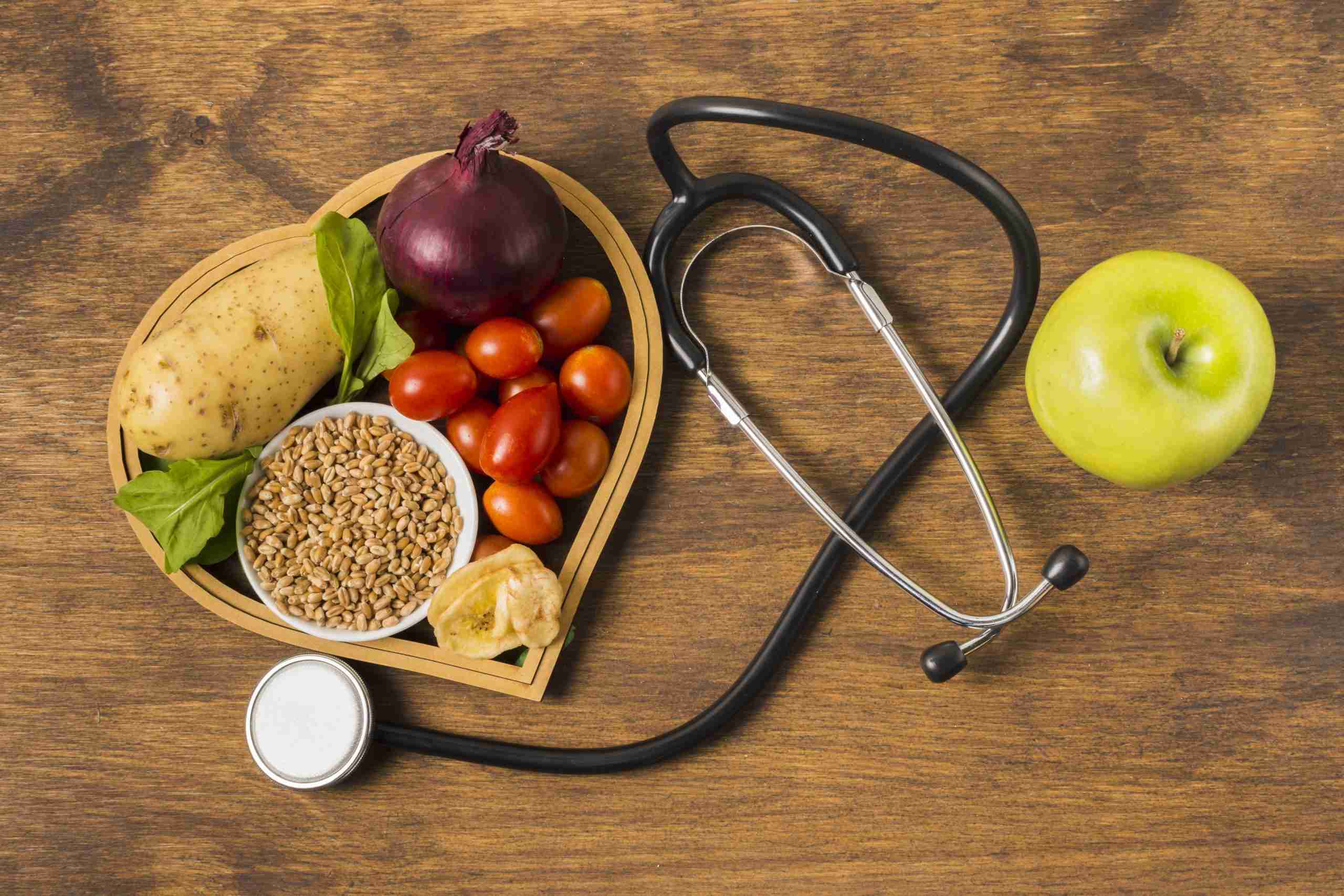
Properly processed rice is not just a staple food; it represents a powerhouse of nutrition that can significantly contribute to a balanced diet. When paddy undergoes careful milling and polishing, essential nutrients are preserved while minimizing the loss of valuable components. Some of the key health benefits include:
- Rich in Carbohydrates: A major source of energy, properly processed rice provides the carbohydrates necessary for daily activities and brain function.
- Low in Fat: Rice is naturally low in fat, making it an ideal choice for those watching their weight or maintaining heart health.
- Diverse Vitamins and Minerals: Whole grain varieties, such as brown rice, retain vital nutrients like magnesium, phosphorus, and B vitamins, which play essential roles in metabolism and bodily functions.
- Gluten-Free Option: Rice serves as a gluten-free alternative, accommodating individuals with gluten sensitivities or celiac disease, allowing them to enjoy a variety of dishes without worry.
Additionally, the fiber content in unprocessed or minimally processed rice varieties is crucial for digestive health. Fiber aids in maintaining regularity, supports a healthy gut microbiome, and can help manage blood sugar levels. In fact, incorporating proper forms of rice in your diet can yield significant advantages. Consider this simple comparison of the nutritional profiles of white rice and brown rice:
| Nutrient | White Rice (1 cup) | Brown Rice (1 cup) |
|---|---|---|
| Calories | 205 | 218 |
| Carbohydrates | 45g | 45g |
| Fiber | 0.6g | 3.5g |
| Protein | 4g | 5g |
| Fat | 0.4g | 1.6g |
This comparison emphasizes the enhanced nutritional value that properly processed whole grains can provide while showcasing the importance of choosing the right type of rice for a healthy diet.
Sustainable Practices in the Grain Transformation Journey
Embracing sustainability in grain transformation not only enhances product quality but also provides a competitive edge in today’s eco-conscious market. The first step in this journey is integrating renewable energy sources into processing operations. By harnessing sunlight and wind, facilities can significantly reduce their carbon footprint. Other sustainable practices include implementing water-efficient irrigation, recycling processing wastewater, and using organic fertilizers. These methods foster a more resilient ecosystem while ensuring that production remains consistent and meets demand without depleting natural resources.
Furthermore, collaboration with local farmers to promote crop rotation and permaculture can bolster soil health and biodiversity. By prioritizing sustainable sourcing and production, grain processors can create a robust supply chain that benefits both the environment and the community. The development of biodegradable packaging also plays a key role in reducing waste, reinforcing the commitment to a circular economy. Below is a simple overview of some sustainable practices:
| Sustainable Practice | Benefits |
|---|---|
| Renewable Energy | Reduces carbon emissions |
| Water Recycling | Conserves water resources |
| Organic Fertilizers | Improves soil health |
| Biodegradable Packaging | Minimizes waste pollution |
Concluding Remarks
As we conclude our exploration into the intricate world of paddy processing, it becomes apparent that the journey from grain to nourishment is a tale woven with both art and science. Each stage of this transformation reveals the delicate balance between age-old traditions and modern innovations, showcasing the skill and dedication of those who engage in this vital industry.
The alchemy of rice—from the tender shoots swaying in the fields to the polished, gleaming grains—underscores a broader narrative about food security and cultural heritage. The practices we have highlighted not only ensure that we receive quality products but also pay homage to the countless hands that contribute to our tables.
As global challenges loom, understanding and appreciating the processes behind our sustenance becomes ever more crucial. In recognizing the complexity of paddy processing, we embrace a deeper connection to our food, fostering respect for the land and those who cultivate it. Thus, as we turn from the fields back to our kitchens, let us carry with us a renewed appreciation for the transformation that takes place – a reminder that with each grain of rice lies a story waiting to be savored.



