
The Heart of Harvest: Unveiling the Rice Mill Journey
In the golden embrace of sunshine-drenched fields, where the gentle sway of rice paddies creates a serene tapestry of green and gold, the journey of rice begins. This humble grain, a staple that nourishes billions around the globe, undergoes a remarkable transformation before it graces our tables. At the center of this metamorphosis lies the rice mill—a bustling hub of activity where tradition and technology intertwine. In this article, we invite you to explore “The Heart of Harvest,” a behind-the-scenes look at the intricate processes that elevate paddy to polished rice. Delve into the complexities of milling, discover the dedication of those who breathe life into each grain, and appreciate the journey that connects farmers, millers, and consumers in a shared celebration of sustenance. Join us as we unveil the story behind the rice mill, revealing not just the mechanics of production, but the rich tapestry of culture, craftsmanship, and community that define this essential agricultural endeavor.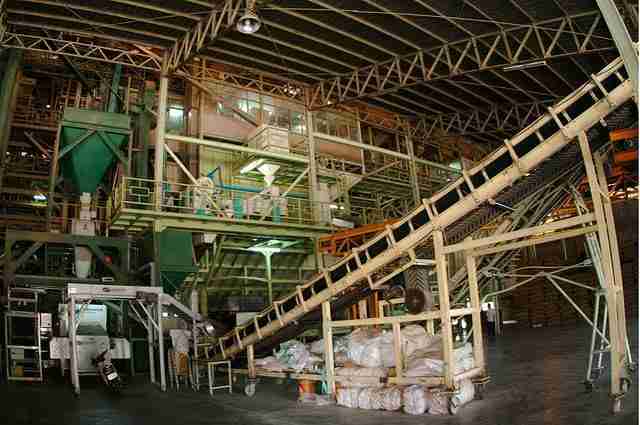
Understanding the Rice Milling Process from Field to Fork
The journey of rice from the lush green fields to the dining table is a compelling spectacle that marries agriculture and technology. It begins with cultivation, where farmers carefully sow seeds in fertile soil, nurturing them with water and nutrients. As the rice plants grow, they undergo numerous cycles of care, including pest management and harvesting. Once the golden grains are ready, they are meticulously harvested and transported to milling facilities. Here, the real transformation takes place, starting with the drying process to reduce moisture content, followed by hulling to separate the hulls from the edible grains.
Inside the rice mill, several sophisticated machines come together in a symphony of efficiency. The grains are subjected to elevating, cleaning, and polishing processes, which enhance their quality. A typical milling sequence includes:
- Pre-cleaning: Removing impurities such as dirt and stones.
- Hulling: Separating the husk from the rice grain.
- Milling: Polishing rice to remove bran layers and produce white rice.
- Grading: Sorting rice based on size and quality.
This meticulous milling process culminates in various rice products, including white rice, brown rice, and even specialty varieties. The resulting grains not only satisfy our culinary needs but also embody the hard work and dedication of numerous individuals involved in this intricate journey, ensuring the journey from field to fork is both seamless and successful.

The Technology Transforming Traditional Rice Mills
Across the globe, the rice milling industry is undergoing a revolution driven by innovative technologies that breathe new life into traditional practices. With the implementation of automation, rice mills are becoming more efficient than ever, reducing both labor costs and processing time. Advanced machinery equipped with sensors and AI technology analyzes grain quality in real-time, ensuring that only the best rice reaches consumers. These improvements not only enhance productivity but also minimize waste, as precise milling techniques lead to higher yields and better-quality product.
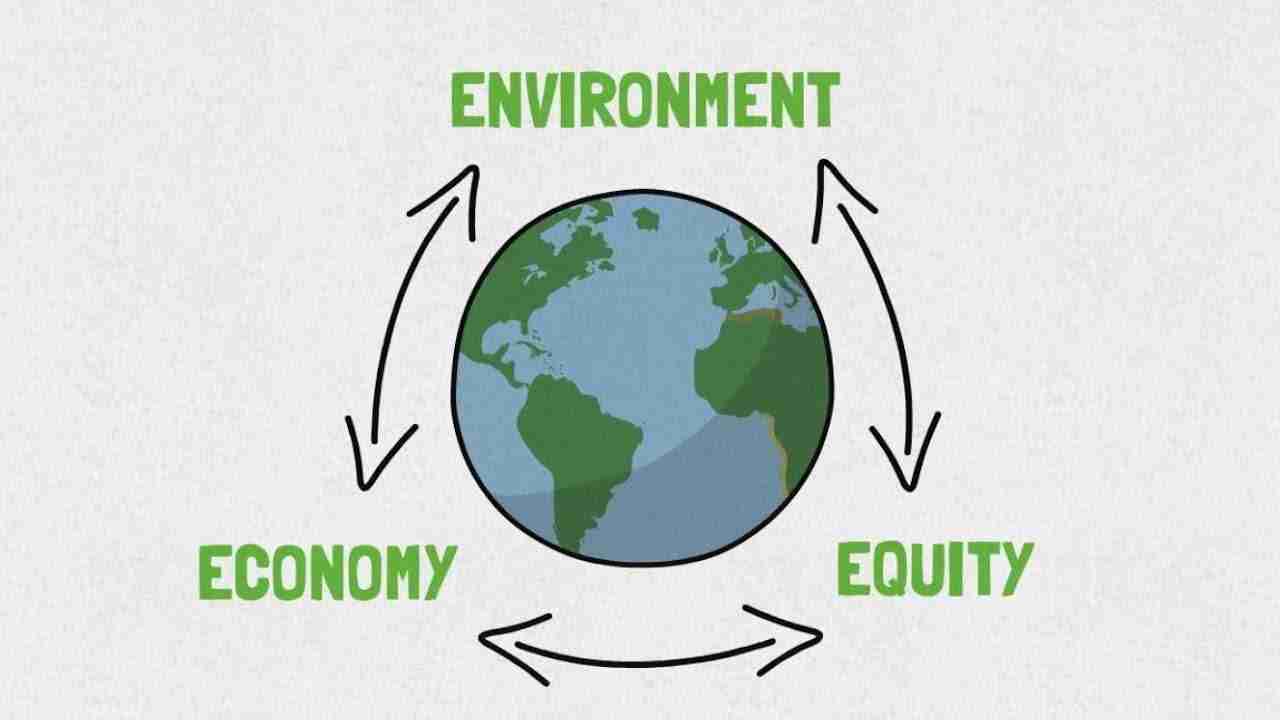
Furthermore, the introduction of sustainable practices through technology plays a crucial role in transforming traditional rice mills. Eco-friendly milling equipment reduces energy consumption and emissions, aligning the industry with global sustainability goals. The advent of digital platforms has also enabled farmers to access market information, allowing them to make informed decisions about when and where to sell their crops. By embracing these advancements, rice mills are not just keeping pace with technological trends; they are setting new standards for quality and environmental responsibility in agriculture.
Sustainability Practices in Rice Milling for a Greener Future
In the journey from paddy to polished rice, sustainability takes center stage in modern milling practices. By embracing eco-friendly methods, rice mills are not only boosting their efficiency but also contributing to a greener environment. Water conservation, for instance, has become a primary focus, with many mills implementing advanced systems to recycle and reuse water. This reduces waste and alleviates the pressure on local water resources. Additionally, solar energy is gaining traction, with solar panels powering machinery and lighting, thus minimizing dependence on fossil fuels. Alongside these energy innovations, rice husk biomass is increasingly being used as a sustainable energy source to fuel the milling processes, showcasing a perfect example of waste-to-energy conversion.
The adoption of sustainable practices also extends to waste management and packaging strategies. By prioritizing biodegradable materials for packaging and reducing plastic use, rice mills are making strides towards lessening their environmental footprint. Moreover, initiatives to compost organic waste, particularly rice bran and husks, help improve soil health and enrich local agroecosystems. In a bid to enhance overall traceability and transparency, mills are investing in digital technologies that monitor resource usage and provide data-driven insights. As these practices take root, they not only promise a resilient and sustainable rice milling industry but also encourage consumers to make eco-conscious choices when selecting their staple foods.
Empowering Local Farmers through Modern Milling Solutions
At the core of rural economies, local farmers represent a wealth of knowledge, tradition, and dedication. By adopting modern milling solutions, these agricultural stewards can transform their produce into value-added products, enhancing their profitability and sustainability. Investing in innovative milling technology has empowered farmers to improve their operations through:
- Increased Efficiency: Advanced milling machinery significantly reduces processing time and labor, allowing farmers to produce more in less time.
- Higher Quality Output: Sophisticated milling techniques ensure that the final product meets higher quality standards, appealing to both local and international markets.
- Waste Reduction: Modern systems optimize the milling process, minimizing waste and maximizing the use of every grain.
Furthermore, the integration of community-focused training programs has ensured that local farmers are not only equipped with the latest technologies but are also knowledgeable about their operation and maintenance. This holistic approach cultivates a more resilient agricultural community where farmers benefit from:
- Skill Development: Workshops provide hands-on training in milling techniques and machinery upkeep.
- Cooperative Models: Farmers can band together to share resources and infrastructure, leading to economies of scale.
- Access to Markets: With improved quality and reliability, farmers can engage directly with consumers and diversify their sales channels, fostering greater food sovereignty.
To Conclude
In the intricate dance between earth and industry, the journey of rice from field to mill encapsulates a rich tapestry of tradition, innovation, and resilience. As we step back from the grainy roads of the harvest, it becomes clear that each kernel carries not only the essence of nourishment but also the stories of countless hands that have tended the fields.
From the first light of dawn illuminating the golden stalks to the rhythmic hum of machinery transforming raw harvest into polished grains, the rice mill is a testament to human ingenuity and the harmonious interplay with nature. As we explore the heart of this process, we recognize that every grain is a reminder of our connection to the land and the communities that cultivate it.
As we conclude our journey through the rice mill, let us carry forward the lessons learned—about sustainability, respect for our agricultural roots, and the importance of preserving this age-old craft for future generations. The next time you savor a bowl of rice, take a moment to appreciate the journey it has undertaken, and the heart of harvest that beats behind every meal.



