
In an age where productivity often dictates success, the pursuit of efficient operations has never been more critical for agricultural enterprises. Among the myriad of innovations enhancing rural economies, the 4-ton rice mill plant stands out as a beacon of optimization. By harmonizing technology and traditional methodologies, this compact yet powerful facility offers a transformative advantage to rice producers striving to meet the demands of a competitive market. This article delves into the multifaceted benefits of operating a 4-ton rice mill plant, exploring how it streamlines processing, maximizes yield, and ultimately contributes to a sustainable agricultural future. Join us as we uncover the strategies and insights that encapsulate the essence of efficiency in rice milling.
Understanding the Operational Benefits of a 4 Ton rice mill plant
Investing in a 4 ton rice mill plant offers a plethora of operational advantages that streamline processing and enhance productivity. With the capacity to produce up to four tons of rice per hour, these plants drastically reduce the time and labor required in traditional milling methods. This efficiency is amplified by modern technology, which includes automated systems for husking, milling, and packaging, allowing for a consistent product quality with minimal human intervention. Key benefits include:
- Reduced Labor Costs: Automation minimizes the need for extensive manual labor, leading to significant savings.
- Higher Output Rates: Achieving up to 4 tons of processed rice per hour means higher market supply and revenue potential.
- Optimized Resource Use: Enhanced energy efficiency and raw material utilization lower overall operational expenses.
Furthermore, the operational framework of a 4 ton rice mill often includes integrated quality control systems that ensure every grain meets market standards. By employing state-of-the-art technology, rice mill operators can track productivity, identify bottlenecks, and ensure consistent quality control at every stage of processing. The advantages of adopting such a mill are evident in measurable performance improvements:
| Performance Metric | Traditional Milling | 4 Ton rice mill plant |
|---|---|---|
| Processing Time (hours) | 8 hours | 2 hours |
| Labor Required (people) | 10 | 3 |
| Quality Consistency (%) | 70% | 95% |

Key Technologies Driving Production Efficiency in Rice Milling
The evolution of rice milling technology has paved the way for superior production efficiency, allowing millers to maximize their output while minimizing waste. Automation plays a pivotal role, with state-of-the-art milling machines designed to streamline processes. Modern rice mills often incorporate systems such as:
- Automated Grading Systems: These ensure uniformity and quality in the final product.
- Optical Sorting Technology: Helps in eliminating impurities and enhancing quality.
- Energy-Efficient Motors: Reduce electricity consumption without sacrificing performance.
Another crucial element is the integration of smart technology and sensor systems that monitor operations in real-time, leading to data-driven decision-making. This includes the implementation of:
- IoT Connectivity: Enabling remote monitoring and management of the milling processes.
- Predictive Maintenance Tools: Identifying potential issues before they lead to downtime.
- Advanced Software Solutions: For inventory management and production planning.
| Technology | Benefit |
|---|---|
| Automated Grading Systems | Ensures consistent quality |
| Optical Sorting Technology | Reduces impurities effectively |
| IoT Connectivity | Facilitates real-time monitoring |
Sustainable Practices and Cost Savings in Modern Rice Milling
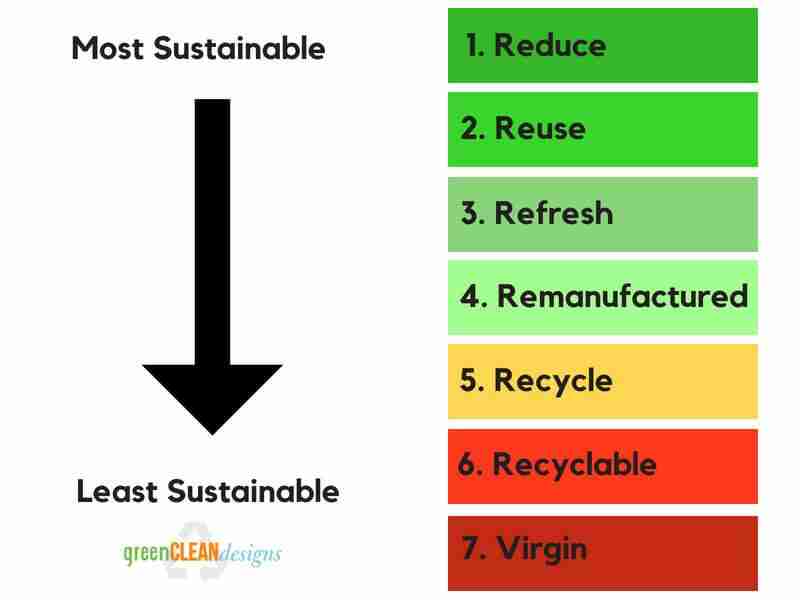
Implementing eco-friendly techniques in rice milling not only contributes to environmental sustainability but also leads to significant cost savings for rice mill operators. By adopting energy-efficient machinery and optimizing processes, millers can reduce operational costs. For instance, integrating solar power systems to meet energy needs can dramatically lower electricity expenses over time. Other sustainable practices include:
- Water Recycling: Utilizing closed-loop water systems to minimize water waste.
- Waste Management: Repurposing by-products like husks and bran for animal feed or biofuel production.
- Automated Monitoring: Using IoT devices to track energy and resource usage for better efficiency.
Moreover, the installation of a 4-ton rice mill plant can further enhance sustainability efforts while driving profitability. By featuring advanced milling technologies that maximize yield and minimize waste, operators can see their return on investment grow steadily. The following table outlines the benefits of adopting a modern rice milling facility:
| Feature | Benefit |
|---|---|
| Energy Efficiency | Lower operational costs and carbon footprint |
| Automated Systems | Reduced labor costs and improved consistency |
| Resource Optimization | Increased yield and diminished waste |
Strategic Location and Resource Management for Optimal Output
In today’s competitive agricultural landscape, the positioning of a rice mill plant plays a pivotal role in its overall success. Opting for a strategic location can significantly enhance logistical efficiencies, reducing transportation costs and time. By situating the 4 Ton rice mill plant close to both rice paddies and key distribution channels, operators can achieve seamless integration of input sourcing and output distribution. Key factors to consider include:
- Proximity to Raw Materials: Being near rice fields ensures fresh, quality grains are processed with minimal delay.
- Access to Transportation Networks: Positioned near highways or ports facilitates smooth logistics for selling and exporting.
- Labor Availability: A location in rural areas often allows access to a ready workforce experienced in agriculture.
Effective resource management is equally crucial for maximizing the efficiency of a rice mill plant. Utilizing technology for inventory management, energy consumption, and waste reduction can create a streamlined operation. By employing intelligent systems, the mill can monitor input levels and power usage, leading to better decision-making. Additionally, integrating sustainable practices fosters a healthier environment and potentially reduces costs in the long run. Consider the following management strategies:
| Resource | Management Strategy | Expected Outcome |
|---|---|---|
| Rice Supply | Establish contracts with local farmers | Consistent quality and quantity |
| Energy | Implement energy-efficient machinery | Reduced utility costs |
| Waste | Recycling byproducts | New revenue streams |
Concluding Remarks
In a world where every grain counts, the 4 ton rice mill plant stands out as a beacon of efficiency and productivity. By harnessing advanced technology and optimized processes, this compact powerhouse not only meets the demands of modern rice milling but also paves the way for sustainable practices within the agricultural sector. As we’ve explored, the advantages of implementing such a system extend beyond mere output—they encompass economic viability, labor savings, and enhanced quality control.
As we look towards a future marked by ever-increasing challenges in food production, investing in such efficiencies appears not just prudent, but essential. The 4 ton rice mill plant is more than just equipment; it symbolizes a commitment to innovation and resilience in the face of changing agricultural landscapes. So, whether you are a seasoned industry player or a newcomer eager to make your mark, the time is ripe to embrace these advancements in rice milling technology. After all, in the quest for excellence, there’s always room for a little more efficiency.



