
In the heart of rural landscapes and bustling agricultural hubs, an understated revolution is quietly reshaping the grain processing industry. Enter the small rice mill—a beacon of innovation that is transforming how we think about rice production, distribution, and sustainability. Once relegated to the shadows of larger, more industrialized operations, these compact mills are now emerging as vital players in local economies, empowering farmers and communities while ensuring quality and freshness in every grain. As the world awakens to the importance of localized food systems and sustainability, the small rice mill is not just a relic of tradition but a dynamic solution to modern challenges. In this exploration, we delve into the rise of these mills, uncovering how they bridge the gap between heritage and innovation, and what this means for the future of grain processing.
Emerging Technologies Redefining Small Rice Milling
In recent years, a wave of innovation has swept through the rice milling industry, bringing forth tools and technologies that are redefining the landscape for small rice mills. From automation to advanced sorting mechanisms, these new developments not only enhance efficiency but also prioritize sustainability. Micro-milling machines, offering compact designs and energy-efficient operations, are particularly popular among small-scale farmers. These machines drastically reduce waste and ensure higher yields by minimizing breakage during milling. Moreover, IoT (Internet of Things) integration allows farmers to monitor and control their milling processes remotely, providing valuable data to optimize production and reduce losses.
Another significant advancement is the introduction of AI-driven quality control systems that utilize machine learning algorithms to assess grain quality in real-time. This ensures that only the best grains are processed, leading to superior final products. The benefits extend beyond productivity; these technologies also incorporate traceability features that enhance transparency and safety in the food supply chain. In addition, the rise of renewable energy sources, such as solar-powered mills, is paving the way for greener operations. Here’s a brief overview of these emerging technologies:
| Technology | Benefits |
|---|---|
| Micro-Milling Machines | Compact, energy-efficient, reduces waste |
| IoT Integration | Remote monitoring, data optimization |
| AI Quality Control | Real-time assessment, enhanced product quality |
| Renewable Energy | Reduced carbon footprint, sustainable operations |

Sustainability Practices in Small-Scale Rice Production
Small-scale rice production can be profoundly impacted through the adoption of sustainability practices that not only enhance yields but also promote environmental health. One effective method is the incorporation of crop rotation, which helps to break pest cycles and improve soil fertility by alternating rice with legumes or other crops. Additionally, implementing integrated pest management (IPM) techniques can significantly reduce the reliance on chemical pesticides. This approach prioritizes natural pest control methods, which can lead to healthier ecosystems and reduce harmful run-off into water systems.
Moreover, the use of water-efficient irrigation techniques is vital in regions where water scarcity is a concern. Practices such as alternate wetting and drying (AWD) can not only conserve water but also boost methane emission reductions from rice fields. To further support sustainable practices, small rice mills can promote the reuse of by-products, such as rice husks, which can be converted into bioenergy or organic fertilizers, thus fostering a circular economy. By embracing these strategies, farmers can enhance productivity while safeguarding their natural resources for future generations.
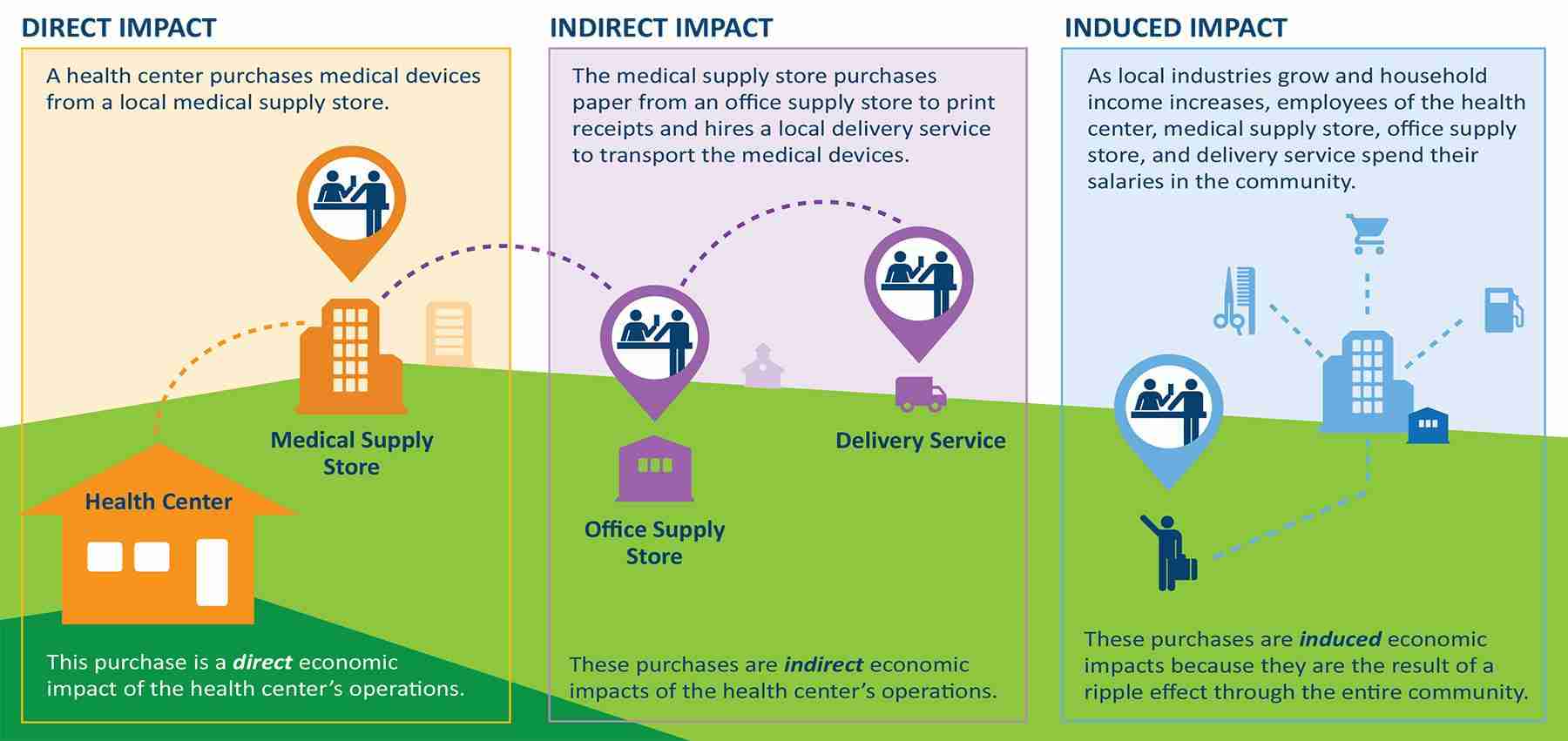
Economic Impact of Localized Rice Milling Operations
The proliferation of small rice milling operations has begin to reshape local economies, particularly in rural areas where access to larger facilities is limited. By establishing localized processing units, small mill owners are able to create a multiplier effect in their communities. These mills not only transform raw grains into a market-ready product but also stimulate a network of related services and industries, which include:
- Job Creation: Small rice mills provide employment opportunities, from milling operations to logistics and distribution.
- Increased Income: Local farmers are able to sell their paddy directly to nearby mills, resulting in better pricing and reduced transportation costs.
- Support for Local Businesses: Increased milling activity encourages the growth of ancillary services such as packaging and marketing.
Moreover, small rice mills tend to boost food security by ensuring that processed rice is readily available within local markets. This not only reduces dependency on larger scale importers but also fosters a sense of community self-sufficiency. To visualize the impact, consider the following table:
| Economic Factor | Impact |
|---|---|
| Local Jobs Created | 20-30 per mill |
| Farmer Profit Increase | 15-25% on average |
| Community Investment | Increases local tax revenues |
In essence, localized rice milling operations serve as a catalyst for economic development, enhancing the standard of living in agricultural regions while promoting sustainable practices that benefit both producers and consumers.
Empowering Communities Through Innovative Grain Processing Solutions
With the advent of small rice mills, rural communities are experiencing a seismic shift in how they process grains. These innovative solutions not only enhance the efficiency of grinding but also empower local farmers by enabling them to convert their harvests into value-added products. As a result, farmers are seeing a boost in income and food security. By embracing small-scale milling operations, communities can enjoy a host of benefits, including:
- Job Creation: The establishment of small rice mills creates local employment opportunities and encourages entrepreneurship.
- Cost Effectiveness: Reduced transportation costs mean farmers can mill their grains close to home.
- Quality Control: Farmers gain better control over the milling process, ensuring high-quality grains for local markets.
- Sustainability: Community-based milling contributes to sustainable practices by minimizing waste through by-products like rice husks.
Moreover, the rise of small rice mills fosters a sense of community resilience and collaboration. Farmers can work together to invest in shared milling equipment, promoting collective growth and knowledge-sharing. This cooperative spirit is bolstered by partnerships with local governments and NGOs, which often provide crucial support in the form of training and resources. To illustrate the impact of small rice mills, consider the following table detailing their contributions to local economies:
| Impact Area | Before Small Mills | After Small Mills |
|---|---|---|
| Local Employment | 5-10 jobs | 20-30 jobs |
| Income Increase | Low | 15-30% increase |
| Community Engagement | Minimal | High collaboration |
Insights and Conclusions
As we stand at the crossroads of innovation and tradition, the rise of the small rice mill symbolizes more than just a shift in grain processing methods; it represents a broader transformation in how we engage with our food systems. These compact powerhouses are not just altering the landscape of rice milling; they are empowering local communities, preserving regional identities, and promoting sustainable practices that echo through generations.
In a world increasingly driven by mass production and globalization, the resurgence of small-scale milling offers a refreshing return to localized, artisanal approaches. By embracing the potential of these small rice mills, we are nurturing a future that honors both innovation and heritage—a future where each grain tells a story of craftsmanship, community, and care.
As we look ahead, let us consider the implications of our choices and the impact they have on our environments and societies. The journey of transforming grains into the staple we cherish is not just about efficiency; it is also about connection. With each bowl of rice, we are invited to reflect on the intricate tapestry of life woven together by farmers, millers, and consumers alike. In this evolving narrative, the small rice mill stands as a testament to resilience and the enduring spirit of those who cultivate and share the grains that nourish us all.



