
In the heart of bustling agricultural regions, where laborers once toiled under the sun, a quiet revolution is taking place—one that is reshaping the landscape of grain processing. Enter the fully automatic rice mill plant, a marvel of engineering and efficiency that is transforming the way we think about food production. As high-tech machinery seamlessly converts golden grains into polished rice, these plants represent not just a leap in technology but a paradigm shift in the agricultural economy. By increasing productivity, ensuring quality, and minimizing waste, fully automatic rice mills are redefining the scalability and sustainability of rice milling operations. This article explores the rise of these innovative facilities, their impact on traditional practices, and the promise they hold for the future of food security in an ever-evolving world. Join us as we delve into the intricacies of grain transformation and uncover the stories behind this technological advancement.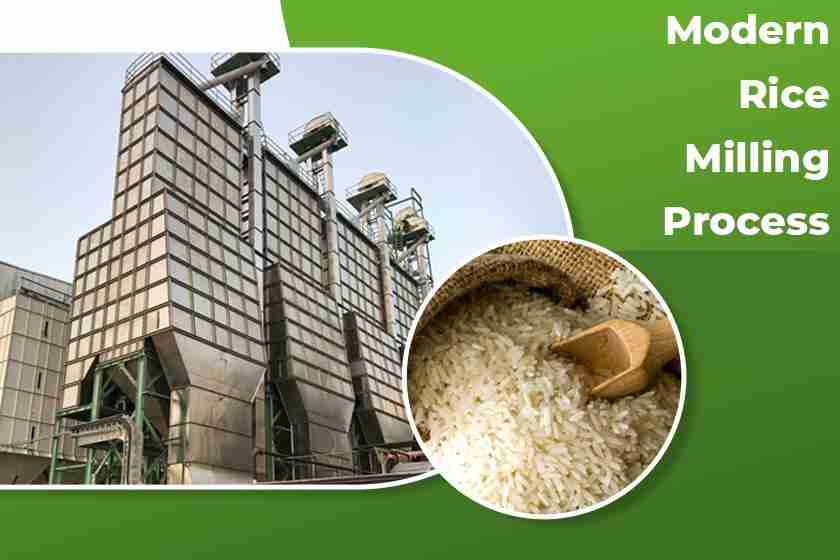
The Evolution of Rice Milling Technology and Its Impact on Industry Standards
The journey of rice milling technology has seen a remarkable transformation over the decades, evolving from traditional hand-operated methods to sophisticated fully automatic plants. Early milling systems relied heavily on manual labor, utilizing simple stone or wooden devices to husk rice. As agricultural demand surged, the industry began to integrate steam power and later, electric motor-driven machines which offered increased efficiency and higher output. With advancements in automation, today’s modern rice mills utilize state-of-the-art machinery capable of processing vast quantities of rice with minimal human intervention. This shift not only streamlines production but also enhances the quality of the finished product, ensuring that grains are polished, husked, and packed with precision.
The impact of this technological evolution on industry standards has been profound. Fully automatic rice mill plants adhere to stringent quality controls, resulting in a more uniform grain size and improved nutritional retention. These facilities are designed to operate with reduced energy consumption, thereby minimizing their carbon footprint and operating costs. Key benefits of modern rice milling technology include:
- Optimized Efficiency: Reduction in time and labor costs.
- Increased Throughput: Ability to process up to several tons of rice per hour.
- Quality Assurance: Enhanced quality control measures ensuring consistency.
- Automation: Minimal human intervention improves safety and precision.
The technological advancements continue to redefine operational benchmarks in the rice milling sector, enabling producers to meet the growing demands of global markets while maintaining higher standards of quality and sustainability.

Enhancing Efficiency: Key Features of Fully Automatic Rice Mill Plants
Fully automatic rice mill plants represent the pinnacle of processing technology, ensuring that the journey from paddy to polished rice is not only efficient but also remarkably streamlined. These systems are designed with advanced automation features that minimize human intervention and reduce errors. Key components include:
- Automated Feeding Systems: These systems ensure a steady flow of raw grains into the machinery, maintaining optimal processing levels.
- Multi-Stage Milling Units: Each stage can be finely tuned to achieve desired outputs, from husking to polishing, maximizing yield.
- Digital Monitoring: Integrated sensors and software provide real-time feedback, allowing for immediate adjustments to enhance performance.
Moreover, the energy efficiency of these plants cannot be understated. Many models employ eco-friendly technologies that not only reduce power consumption but also contribute to sustainable practices in rice production. Considerable advantages include:
- Reduced Waste Generation: Automated cleaning and sorting mechanisms minimize losses during processing.
- Lower Operational Costs: Automated systems reduce labor needs and associated expenses, paving the way for higher profit margins.
- Enhanced Product Quality: Precise control over each milling parameter ensures that the final product meets high-quality standards consistently.

Sustainability in Action: Eco-Friendly Practices in Modern Rice Processing
In the rice processing industry, the integration of eco-friendly practices is becoming increasingly essential. Fully automatic rice mill plants are designed not just for efficiency but also to minimize environmental footprints. By employing energy-efficient machinery, these facilities reduce energy consumption significantly compared to traditional methods. Additionally, many of these modern plants utilize renewable energy sources, such as solar power, to further lower their reliance on fossil fuels.
Another vital aspect of sustainable rice processing is the management of water resources. Advanced milling technology incorporates closed-loop water recycling systems, which drastically cut down wastewater and ensure that water is reused effectively throughout the process. Moreover, the byproducts generated—like rice husks—are often repurposed as biomass fuel or organic fertilizers, promoting a circular economy. Below is a summary table illustrating the key eco-friendly practices embraced in modern rice processing:
| Practice | Description |
|---|---|
| Energy Efficiency | Utilization of energy-efficient machinery to save power. |
| Renewable Energy | Integration of solar panels to reduce fossil fuel dependency. |
| Water Recycling | Closed-loop systems for reusing water efficiently. |
| Waste Utilization | Converting byproducts into fuel and fertilizers. |
Navigating the Future: Strategic Considerations for Investors and Entrepreneurs
The landscape of grain processing is undergoing a remarkable transformation, driven by advancements in automation and technology. Fully automatic rice mill plants are becoming a pivotal cornerstone in the agricultural sector, offering seamless production capabilities while significantly reducing labor costs and human error. Investors and entrepreneurs looking toward the future should consider several strategic advantages these state-of-the-art facilities bring to the table:
- Efficiency: Automated systems enhance processing speeds, allowing for higher output without compromising quality.
- Scalability: The ability to easily adjust production volumes based on market demand creates a flexible business model.
- Quality Control: Advanced monitoring technologies ensure consistent quality and product purity, meeting both consumer and regulatory standards.
- Sustainability: Automation can lead to reduced waste and energy consumption, aligning with the global push for more environmentally-friendly production methods.
Moreover, the economic implications of investing in fully automatic rice mill plants extend beyond immediate operational benefits. A shift towards automation also opens up avenues for innovative business models and partnerships. For example, collaboration with tech companies can spur advancements in data analytics and artificial intelligence to optimize production schedules. Here’s a valuable snapshot of potential investment benefits:
| Investment Opportunity | Potential Return |
|---|---|
| Automated Machinery | High Efficiency and Output |
| Smart Monitoring Systems | Improved Quality Assurance |
| Research Partnerships | Innovative Techniques and Products |
| Green Technology Integration | Market Differentiation and Appeal |
The Way Forward
As we stand on the brink of a new era in rice production, the transformation brought about by fully automatic rice mill plants is undeniable. These advanced facilities are not merely enhancing efficiency; they are reshaping the agricultural landscape, driving economic growth, and advancing food security. With quiet machinations and cutting-edge technology, they are ensuring that quality rice reaches markets faster and with greater consistency.
As the world continues to grapple with challenges such as population growth, climate change, and the ever-increasing demand for this staple food, the innovations in rice milling plant technology present a beacon of hope. They offer a path toward sustainability while minimizing waste and maximizing yield.
In this evolving narrative of grain transformation, the fully automatic rice mill plant stands as a powerful symbol of progress—bridging tradition with modernity. As we turn the page towards the future, one thing is clear: rice production is no longer just about cultivating fields; it’s about harnessing technology to feed the world efficiently. The journey of grain transformation has only just begun, and its impact will undoubtedly echo for generations to come.



