
In the ever-evolving world of agriculture and food processing, the quest for efficiency often takes center stage, ushering in innovations that revolutionize how we cultivate and process our staples. Among these innovations, mini rice milling machines have emerged as a game-changer, redefining traditional methods with compact designs and advanced technology. These small yet powerful machines cater to the growing demand for refined rice production, offering farmers and small millers a pathway to increased productivity and reduced waste. As we delve into the rise of mini rice milling machines, we uncover not only their potential to transform local economies but also the broader implications for food security and sustainability in a rapidly changing world. Join us as we explore this fascinating trend that bridges the gap between time-honored practices and modern efficiency.
The Evolution of Rice Milling Technology
Over the centuries, rice milling technology has transitioned from rudimentary methods to sophisticated machinery that dramatically enhances efficiency and productivity. Early milling processes involved manually husking rice, utilizing tools like the mortar and pestle, which required immense labor and time. As populations grew and demand for rice increased, innovations emerged, leading to the establishment of water-powered and wind-powered mills in various parts of the world. These advancements not only boosted output but also reduced the physical strain on farmers, showcasing an evolution driven by necessity and ingenuity.
The latest leap in this technological journey is the advent of mini rice milling machines, which bring professional-grade milling capabilities to a smaller scale. These compact machines are designed to cater to smallholder farmers and entrepreneurs, enabling them to process rice efficiently and independently. Key features include:
- Portability: Easy to transport, allowing farmers to mill their crops on-site.
- Energy Efficiency: Consumes less power while delivering faster results.
- User-Friendly Interfaces: Designed for easy operation, reducing the need for specialized training.
To illustrate the effectiveness of these innovations, let’s examine a comparative overview of traditional versus mini rice milling setups in terms of output and efficiency:
| Feature | Traditional Mill | Mini Rice Milling Machine |
|---|---|---|
| Output per hour | 100-200 kg | 300-500 kg |
| Energy Consumption | High | Low |
| Labor Requirements | High | Minimal |
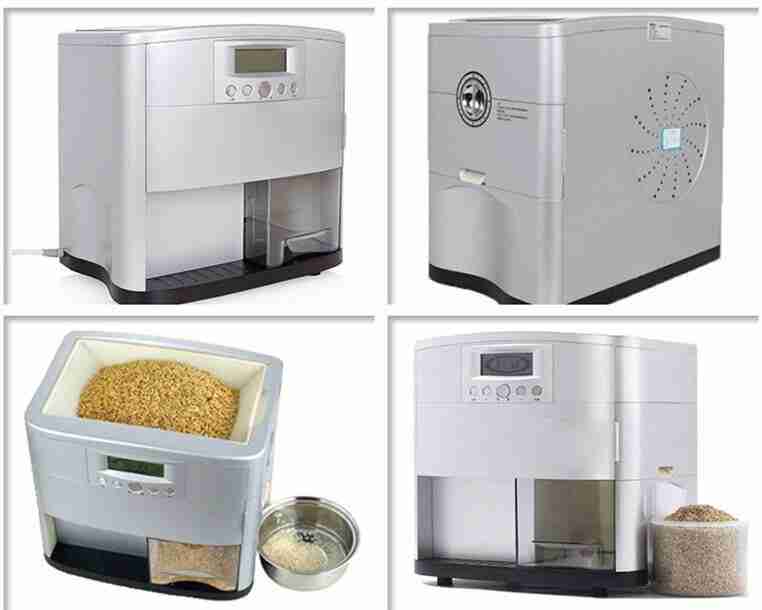
Understanding the Benefits of Mini Rice Milling Machines
Mini rice milling machines have revolutionized the way small-scale farmers and entrepreneurs approach rice processing. These compact devices offer an array of benefits that cater to both efficiency and sustainability. One significant advantage is their space-saving design, which allows for easy installation even in limited spaces. Unlike traditional milling setups, mini machines require less physical footprint, making them ideal for rural communities and small businesses. Moreover, they are often designed for energy efficiency, as many models operate on lower power consumption, reducing the overall cost of operation while maximizing output.
Another notable benefit is user-friendliness. Mini rice milling machines are typically engineered for ease of use, enabling even those with minimal technical knowledge to operate them effectively. This encourages local entrepreneurship and empowers farmers to take control of their grain processing. Additionally, these machines often come with multi-functional features, allowing them to perform various tasks such as husking, polishing, and grading—all in one integrated system. The result is a streamlined process that not only enhances productivity but also improves the quality of the final product.
| Feature | Benefit |
|---|---|
| Compact Size | Fits in small spaces, ideal for rural setups |
| Energy Efficient | Reduces operating costs |
| User-Friendly | Accessible to non-technical users |
| Multi-Functional | Consolidates multiple processes into one machine |

Essential Features for Choosing the Right mini rice mill
When embarking on the journey to select a mini rice mill, it’s crucial to assess a variety of key features that will influence efficiency and productivity. Capacity is one of the foremost aspects to consider, with options available for small-scale operations or larger processing needs. Additionally, grain processing technology is paramount; look for mills that incorporate modern technology to ensure high-quality output while minimizing the loss of nutrients. Another critical feature is energy consumption, as more efficient models can help save on operational costs over time.
Furthermore, the ease of operation and maintenance should not be overlooked. Selecting a machine with user-friendly controls and minimal upkeep requirements can significantly enhance your milling experience. Consider additional functionalities such as husk removal and polishing capabilities, which can streamline the entire rice production process. It’s also advisable to check for warranty and support services provided by manufacturers, as reliable after-sales assistance can aid in troubleshooting and ensuring smooth operations down the line. Here’s a brief overview of features to keep in mind:
| Feature | Importance |
|---|---|
| Capacity | Determines output volume |
| Grain Processing Technology | Ensures quality and efficiency |
| Energy Consumption | Affects operational costs |
| Ease of Operation | Enhances user experience |
| Maintenance Requirements | Impacts long-term usability |
Navigating Market Trends and Future Prospects for Mini Rice Milling Solutions
As the agricultural landscape evolves, the demand for more efficient processing solutions, particularly in rice milling, is gaining momentum. Mini rice milling machines are becoming increasingly favored among smallholder farmers and regional cooperatives due to their compact size and cost-effectiveness. These machines not only streamline the milling process but also allow for greater control over production quality. Key market trends driving their rise include:
- Increased Focus on Sustainability: With sustainability at the forefront of farming practices, mini milling solutions enable the efficient use of resources, reducing waste and energy consumption.
- Technological Advancements: Innovations in milling technology have improved the efficiency and reliability of these machines, leading to enhanced milling yields and reduced operational costs.
- Support from Government Initiatives: Many governments are recognizing the potential of small-scale milling operations to boost local economies and are providing subsidies and technical assistance.
The future prospects for these solutions appear promising. As consumer preferences shift towards locally sourced products, small-scale rice processing will continue to gain traction, contributing to the local economy and enhancing food security. The following table illustrates projected growth trends and opportunities in the mini rice milling market:
| Year | Market Growth (%) | Key Opportunities |
|---|---|---|
| 2024 | 15% | Expansion in rural areas |
| 2026 | 20% | Increased export potential |
| 2028 | 25% | Integration of smart technology |
This ongoing transformation in the rice milling sector underscores the potential of mini solutions to adapt to changing market dynamics while ensuring efficiency and sustainability for the future. Farmers and entrepreneurs alike are poised to benefit from innovations that enhance productivity and promote the growth of the agrarian economy.
Wrapping Up
As we journey through the world of mini rice milling machines, it becomes evident that these compact marvels are not just a trend; they are a testament to innovation in agriculture and food processing. By blending efficiency with sustainability, these machines are empowering farmers and entrepreneurs alike to elevate their operations and meet the growing demands of a global market.
The rise of mini rice milling technology signifies more than just a shift in machinery; it heralds a new era of accessibility and productivity. With their ability to streamline processes, reduce waste, and enhance product quality, these devices are setting the stage for a transformation in rural economies.
As we look to the future, embracing such advancements could redefine how we approach food production and security. The journey has just begun, and with every innovation, we inch closer to a more efficient and sustainable agricultural landscape. So, let us celebrate these small machines that wield the potential for significant impact, inviting all stakeholders in the agricultural sector to explore, adapt, and thrive in their wake.



