
Introduction: Transforming Grains: The Art and Science of Rice Processing
In the vast tapestry of global agriculture, few grains hold as much significance as rice. Nourishing billions, this humble staple transcends cultural boundaries, transforming from simple seed to a culinary canvas rich with flavors and textures. Yet, the journey of rice is not merely a tale of growth; it is an intricate dance of art and science, a meticulous process that begins in the lush paddies and culminates in our kitchens. As we delve into the world of rice processing, we uncover the delicate balance between tradition and innovation, where age-old techniques seamlessly intertwine with modern technology. From harvesting and milling to packaging and distribution, each stage plays a pivotal role in shaping the quality and identity of rice as we know it. Join us as we explore the fascinating methods and ingenious practices that transform grains into a vital source of sustenance and culture, illuminating the hidden complexities behind what is often taken for granted.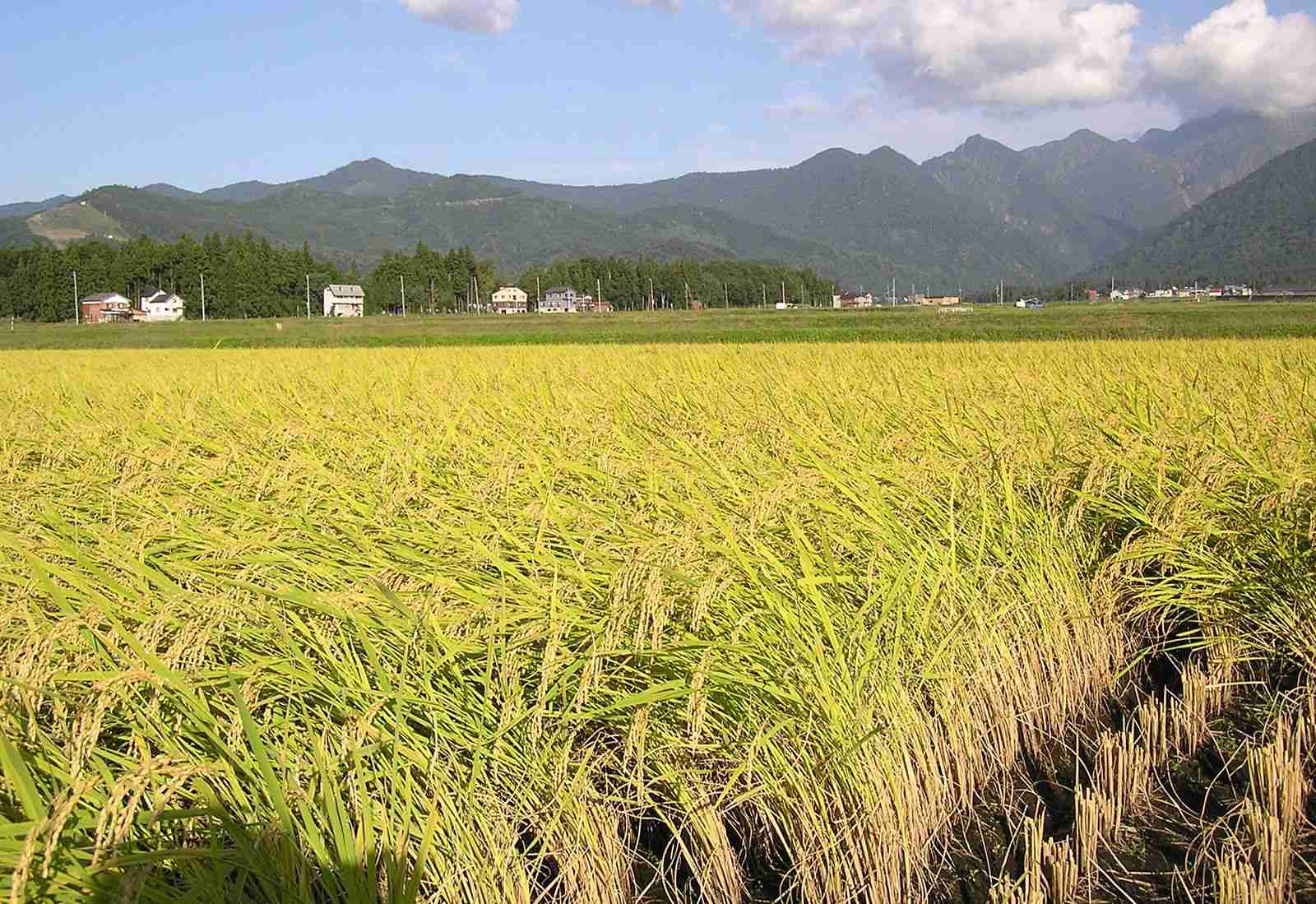
Exploring the Journey from Paddy to Plate
From the moment rice is harvested from lush green paddies, the transformation begins. The paddy, encased in a protective husk, undergoes multiple processes to reach the consumer’s plate in its most delicious form. Husk removal is the first crucial step, where machines gently separate the grains from the inedible outer layer. Following this, the grains are polished through processes that enhance not only their appearance but also their texture and cooking qualities. This delicate balance of art and science ensures that each grain of rice is optimally prepared for the culinary world.
The journey continues as rice is transformed through various milling techniques, adding significance to each stage. Different types of rice demand unique processing methods, and this specificity is reflected in their nutritional values and cooking properties. Below is a simplified representation of some common rice types and their processing requirements:
| Rice Type | Processing Method | Cooking Time |
|---|---|---|
| White Rice | Polished | 15-20 minutes |
| Brown Rice | Lightly milled | 40-45 minutes |
| Jasmine Rice | Aromatic parboiling | 20-25 minutes |
As consumers, understanding this intricate journey helps appreciate every bite. Each grain not only carries the essence of its origins but also reflects the dedication and expertise that go into producing this staple grain. Through this exploration, one discovers that rice is not merely an ingredient, but a rich tapestry of cultural significance and agricultural artistry.
Essential Techniques in Rice Milling and Polishing
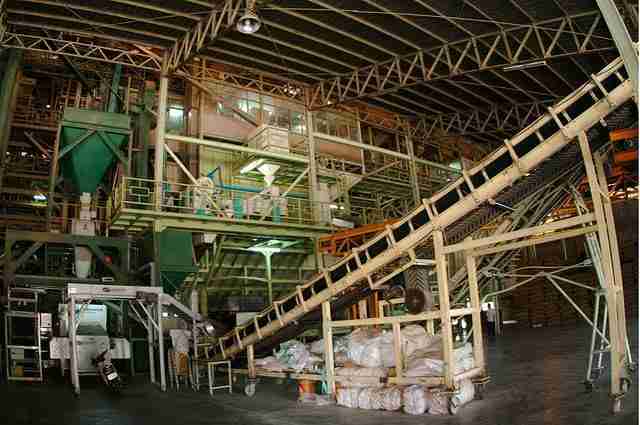
When it comes to rice milling and polishing, the goal is to transform the rough, paddy rice into the clean, glossy grains that are a staple in kitchens around the world. Milling involves several techniques to remove the inedible husk and bran layers, allowing the inner white rice to shine through. Key processes include:
- Dehusking: This is the first step, where the outer hard shell is removed through mechanical means, ensuring maximum grain preservation.
- White Rice Milling: Utilizing a combination of abrasives and friction, this technique polishes the rice grains and further removes bran.
- Separation and Grading: After milling, grains are sorted based on size and quality, helping to ensure a consistent product.
Once the rice is adequately milled, polishing plays a critical role in enhancing both appearance and texture. This stage involves gentle abrasion, which smooths the grains, producing a lustrous finish while minimizing broken rice. The effectiveness of polishing is evaluated through factors such as:
| Factor | Description |
|---|---|
| Grain Luster | Indicates the shine and attractiveness of the rice. |
| Surface Integrity | A measure of how whole and intact the rice grains remain post-polishing. |
| Texture Improvement | Enhances cooking properties, ensuring the final result is fluffy and non-sticky. |
Modern rice processing facilities employ advanced machinery that optimizes these techniques, ensuring efficiency without sacrificing quality. The combination of art and science in rice milling and polishing not only preserves the nutritional value of the grain but also elevates it to meet culinary standards around the globe.
Nutritional Enhancements Through Fortification and Enrichment
The transformation of grains extends beyond texture and flavor; it encompasses a profound commitment to health through fortification and enrichment techniques. These practices aim to restore vital nutrients that processing may strip away, thereby enhancing the nutritional value of rice. Commonly fortified nutrients include iron, folic acid, and vitamins B1 and B3, transforming a staple into a superfood that supports overall well-being. When rice is enriched, it offers more than just carbs; it serves as a vehicle for essential nutrients that contribute to a balanced diet. This is especially crucial in regions where rice is a primary food source and nutrient deficiencies are prevalent.
Innovative methods used in the fortification process hinge on scientific advancements that ensure nutrient retention during cooking and storage. Some of the prominent methods include:
- Micronutrient Spraying: Nutrients are applied in liquid form directly onto the grain.
- Coating Techniques: Nutrients are encapsulated in a thin coating, allowing gradual release during cooking.
- Extrusion: Nutrients are mixed with rice during the extrusion process, ensuring an even distribution.
To visualize the impact of these initiatives, the following table outlines the transformation of fortified rice versus regular rice:
| Nutritional Aspect | Regular Rice | Fortified Rice |
|---|---|---|
| Calories | 130 | 130 |
| Iron (mg) | 0.2 | 2.0 |
| Folic Acid (µg) | 0 | 100 |
| Vitamin B1 (mg) | 0.1 | 0.5 |
Such enhancements not only combat nutrient deficiencies but also contribute to public health efforts, ultimately turning humble grains into pivotal allies in promoting health and nutrition for communities worldwide.
Sustainability Practices in Rice Processing for a Greener Future
In the quest for a more sustainable future, rice processing has adopted innovative practices aimed at minimizing environmental impact while enhancing efficiency. By embracing renewable energy sources, facilities can significantly reduce their carbon footprint. Solar panels, for instance, harness the sun’s power for running machinery, while biogas derived from organic waste serves as an additional energy source. Furthermore, the implementation of water recycling systems not only conserves this precious resource but also ensures that wastewater is treated and reused, thereby reducing water waste associated with traditional rice processing.
Another crucial aspect of sustainability in rice processing involves the utilization of eco-friendly packaging. Transitioning to biodegradable materials lessens plastic pollution and promotes a circular economy. In addition, innovations in rice by-product management are gaining traction, creating value from what was once considered waste. By-products such as rice husks can be transformed into biomass fuel or utilized in creating eco-friendly construction materials. This comprehensive approach ultimately fosters increased productivity while promoting sustainable practices, ensuring that the future of rice processing aligns harmoniously with environmental stewardship.
Wrapping Up
As we conclude our exploration of “Transforming Grains: The Art and Science of Rice Processing,” it becomes clear that this seemingly simple grain holds a profound significance that transcends its humble appearance. Each grain of rice is not just a staple food; it represents a fusion of tradition and innovation, culture and technology. The intricate processes of milling, parboiling, and fortifying are underpinned by a rich tapestry of historical practices and cutting-edge science, all aimed at enhancing the nutritional value and culinary potential of rice.
This journey through the stages of rice processing reveals the meticulous craftsmanship that goes into transforming paddy into the fluffy, fragrant servings we cherish on our plates. From the lush rice paddies that thrive under the sun to the modern facilities that harness research and technology, each step is a testament to human ingenuity.
As we move forward in an ever-evolving culinary landscape, understanding the nuances of rice processing equips us with a deeper appreciation for the food we consume. So, whether you’re a passionate chef, an inquisitive foodie, or simply someone who enjoys a bowl of rice on the dinner table, remember that behind each grain lies a story of transformation—a journey born of both art and science. Let this knowledge inspire us to celebrate the grains that nourish our bodies and connect us to diverse cultures worldwide.



