
Unlocking Potential: The Vital Role of Rice Milling Units
In the heart of agricultural landscapes around the world, a silent revolution is taking place. While fields of golden rice sway gently in the breeze, it is the unseen machinery and meticulous processes of rice milling units that transform this staple crop into a vital resource that sustains millions. These facilities, often overlooked in discussions about food production, play a critical role in not only enhancing the quality and shelf-life of rice but also in boosting local economies and ensuring food security. As the global population continues to grow and the demand for nutritious staples rises, understanding the importance of rice milling units becomes increasingly essential. This article delves into the multifaceted functions of these units, exploring how they unlock the full potential of a grain that has fed civilizations and will continue to shape our future. Join us as we journey through the intricate world of rice milling and discover the pivotal role it plays in nurturing both communities and cultures across the globe.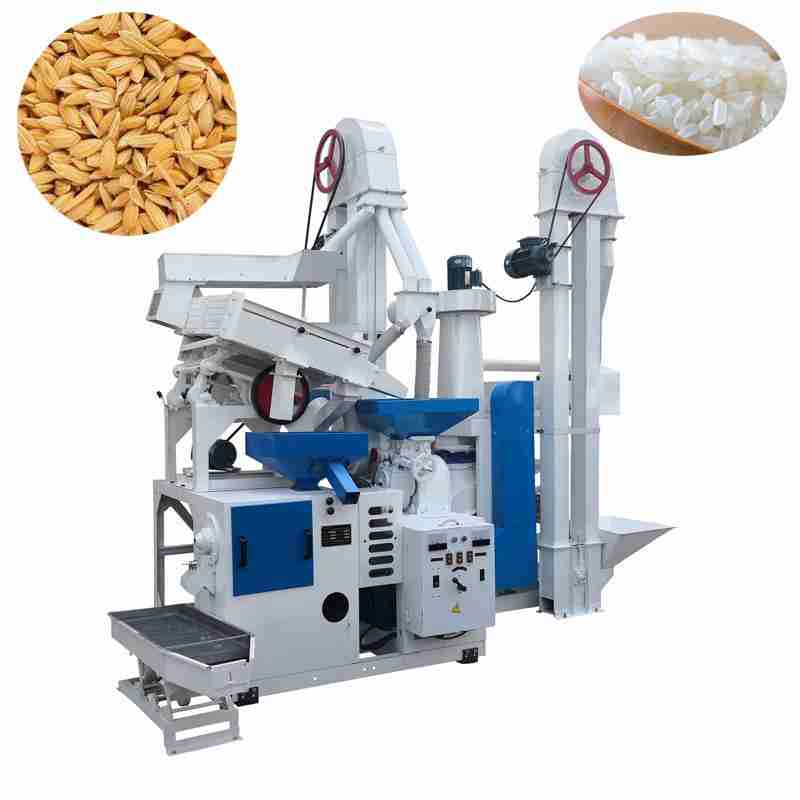
Harnessing the Power of Rice Milling Units for Economic Growth
Rice milling units play a crucial role in transforming raw rice into a market-ready product, significantly contributing to local and national economies. These units not only improve the quality and shelf-life of rice but also create job opportunities for rural communities. By investing in modern equipment and technology, rice mills can enhance productivity and efficiency, resulting in lower production costs and improved profit margins. This can lead to increased income for farmers and mill operators alike, formulating a positive ripple effect across the agricultural supply chain.
The impact of rice milling units extends beyond just economic benefits. By establishing these units close to production areas, stakeholders can foster sustainable development and enhance food security. They facilitate better resource management and reduce post-harvest losses, creating a more resilient agricultural sector. Furthermore, by promoting local entrepreneurship, these units empower small and medium-sized enterprises, driving innovation and technology adaptation in the rice sector. A well-managed rice milling unit can transform communities, balancing profitability with social responsibility.
| Benefits of Rice Milling Units | Economic Impact |
|---|---|
| Job Creation | Boosts local employment rates |
| Higher Income | Improved profitability for farmers |
| Reduced Waste | Minimized post-harvest losses |
| Empowerment | Supports local entrepreneurs |

Innovative Technologies Transforming Rice Milling Operations
Modern rice milling operations are undergoing a profound transformation, thanks to the integration of innovative technologies that enhance efficiency and quality. One of the most significant advancements is the incorporation of automation systems that streamline processes, reduce labor costs, and minimize human error. These systems allow for real-time monitoring of milling stages, ensuring that quality checks occur at each phase. Additionally, the use of smart sensors enables mills to track moisture levels, detect foreign materials, and analyze grain quality, leading to better supply chain decisions.
Furthermore, machine learning algorithms are being harnessed to optimize milling performances. These algorithms analyze vast amounts of operational data to predict maintenance needs and improve equipment efficiency. As a result, rice milling units are reporting less downtime and more consistent output. Below are some key technologies reshaping the industry:
- IoT Integration: Enhances connectivity between machines for seamless operations.
- Robotics: Automates repetitive tasks, ensuring precision and reducing labor intensity.
- Renewable Energy Sources: Solar and biomass solutions provide sustainable power options for milling processes.
| Technology | Benefit |
|---|---|
| Automation | Increased efficiency and reduced labor costs. |
| Smart Sensors | Real-time monitoring for quality assurance. |
| Machine Learning | Predictive maintenance and optimization. |

Sustainable Practices in Rice Milling: A Path to Environmental Resilience
In the quest for a sustainable agricultural framework, rice milling units are emerging as pivotal players in achieving environmental resilience. By adopting eco-friendly practices, these units can significantly reduce their carbon footprint and promote the careful use of natural resources. Essential sustainable practices in rice milling include:
- Water Conservation: Implementing advanced water recycling systems can minimize water waste during the milling process.
- Energy Efficiency: Utilizing renewable energy sources, such as solar or biogas, to power milling operations reduces reliance on fossil fuels.
- Waste Management: Converting rice husks and by-products into value-added products like biochar or animal feed promotes zero waste.
Moreover, integrating modern technologies fosters an environment of innovation that enhances operational efficiency. Implementing data-driven approaches can streamline production, ensuring optimal resource use while minimizing environmental impact. A comparison of traditional versus sustainable milling methods illustrates the potential benefits:
| Criteria | Traditional Milling | Sustainable Milling |
|---|---|---|
| Water Usage | High | Low |
| Energy Source | Fossil Fuels | Renewable Energy |
| By-products Management | Waste | Recycled |
By embracing these sustainable strategies, rice milling operations can contribute not only to profitability but also to a resilient and eco-friendly agricultural landscape.
Empowering Communities through Efficient Rice Processing Solutions
Rice milling units are not just machines; they are the heartbeat of agricultural communities, transforming the way rice is processed and ensuring food security for millions. By adopting modern milling technologies, these units empower local farmers to enhance the quality of their produce. With innovative equipment and skilled labor, milling units provide several key benefits:
- Higher Efficiency: Modern milling techniques reduce waste and maximize output, leading to increased profitability.
- Quality Improvement: Advanced milling ensures superior quality rice, making it more marketable and nutritious.
- Job Creation: Establishing milling units creates local employment opportunities, fostering community growth.
- Value Addition: By processing rice locally, farmers can sell their product at higher prices, creating wealth in their communities.
Moreover, the establishment of rice milling units paves the way for vibrant local economies. Farmers gain access to resources, training, and technical support, leading to a culture of sustainable practices. These units serve as both community hubs and catalysts for change, facilitating knowledge exchange and collaboration among stakeholders. Key statistics illustrating the impact of these units include:
| Impact Area | Before Milling Units | After Milling Units |
|---|---|---|
| Market Price | $300/ton | $500/ton |
| Local Employment | 50 jobs | 200 jobs |
| Processing Efficiency | 60% | 85% |
The numbers encapsulate a transformative shift; with strategic investments and support, rice milling units are at the forefront of revolutionizing food production and economic viability in rural areas.
Concluding Remarks
As we conclude our exploration of rice milling units and their transformative impact, it becomes evident that these facilities are more than just processing hubs; they are vital players in the tapestry of agriculture and food security. By unlocking the potential of this staple crop, rice milling units contribute to economic growth, empower communities, and ensure that quality nourishment reaches tables around the world.
In a landscape where innovation and sustainability are key, the evolution of these units reflects the ever-changing needs of consumers and farmers alike. As technology advances and sustainable practices take root, the role of rice milling units will only grow in significance, bridging the gap between farm and fork.
Ultimately, the potential of rice extends far beyond its grains; it embodies the aspirations of countless individuals and communities. By investing in the development and enhancement of rice milling units, we not only honor this essential crop but also embrace a future where food security and economic stability flourish hand in hand. The journey of unlocking potential continues—one grain at a time.



