
Polishing Perfection: The Revolution of Jet Rice Polishers
In the heart of the bustling rice fields where tradition meets innovation, a quiet revolution is unfolding. Gone are the days when the labor-intensive process of polishing rice relied solely on manual methods, demanding hours of painstaking effort. Enter the era of Jet Rice Polishers—a transformative technology that is redefining how we approach one of the world’s most cherished staples. These state-of-the-art machines blend efficiency with finesse, offering a swift and effective way to achieve the coveted polished finish without sacrificing quality. As we delve into the intricacies of this remarkable advancement, we uncover not only the mechanics behind Jet Rice Polishers but also the profound impact they are making on communities, industries, and culinary practices across the globe. Join us on this journey to discover how these innovations are shaping the future of rice production, promising a new standard of excellence in every grain.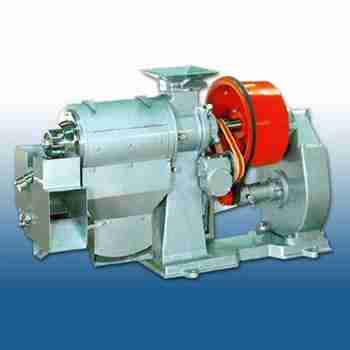
The Mechanism Behind Jet Rice Polishers: Understanding the Technology
At the heart of jet rice polishers lies an innovative technology harnessing the principles of aerodynamics and fluid mechanics. These machines employ a dynamic blend of air jets and mechanical agitation to achieve a polished finish on grains. Through a carefully designed inner chamber, rice kernels are subjected to a swirling motion created by high-speed jets of air. This not only removes the outer husk and impurities but also enhances the luster of each grain. The result is a visually appealing product that retains its nutritional value while offering a refined appearance. Key features of this technology include:
- Precision Engineering: The design minimizes grain breakage, ensuring maximum yield.
- Eco-Friendly Operation: The process requires minimal water and reduces waste.
- Adjustable Settings: Parameters can be tailored to suit different rice varieties for optimal results.
The technology’s efficacy is further amplified by incorporating advanced sensor systems to monitor the polishing process in real-time. These sensors provide valuable data on grain quality, allowing operators to make timely adjustments that enhance the overall outcome. Additionally, the use of smart algorithms facilitates predictive maintenance, minimizing downtime and increasing productivity. A comparison of conventional methods versus jet rice polishing showcases the advancements in efficiency:
| Method | Grain Loss (%) | Polishing Time (minutes) | Water Usage (liters) |
|---|---|---|---|
| Conventional | 15-20 | 30-45 | 5-10 |
| Jet Rice Polisher | 5-10 | 10-15 | 1-2 |
The results underline the technological leap that jet rice polishers represent, fundamentally transforming the landscape of rice polishing. By integrating cutting-edge technology into traditional methods, they deliver superior quality and efficiency, making them a preferred choice in modern grain processing.

Achieving Culinary Excellence: Benefits of Using Jet Rice Polishers
In the quest for culinary excellence, the adoption of jet rice polishers serves as a transformative solution for rice preparation. These advanced machines utilize high-speed jets of air to effectively remove the outer husk and bran layers, delivering polished rice that not only meets but exceeds quality expectations. The benefits of using jet rice polishers extend beyond mere aesthetics; they significantly enhance the nutritional value and flavor profile of the rice, attracting discerning chefs and food aficionados alike. With a polished finish, rice can better absorb flavors during cooking, resulting in an enticing and satisfying dish that delights the palate.
Furthermore, integrating jet rice polishers into production lines offers remarkable efficiency and consistency, making them an invaluable asset for both industrial and artisanal producers. The technology promises superior grain quality, while minimizing breakage—a common issue in traditional polishing methods. Key advantages include:
- Reduced Processing Time: Accelerates the polishing process, ensuring readiness for market.
- Improved Shelf Life: Enhancements in moisture control extend the freshness of the product.
- Cost-Effective: Optimizes resource usage and minimizes waste.
To illustrate the remarkable capabilities of jet rice polishers, here’s a comparison of traditional vs. modern polishing techniques:
| Feature | Traditional Polishing | Jet Rice Polishing |
|---|---|---|
| Processing Speed | Slow | Fast |
| Grain Breakage | Higher | Lower |
| Nutritional Retention | Varied | Enhanced |
| Flavor Absorption | Standard | Optimal |
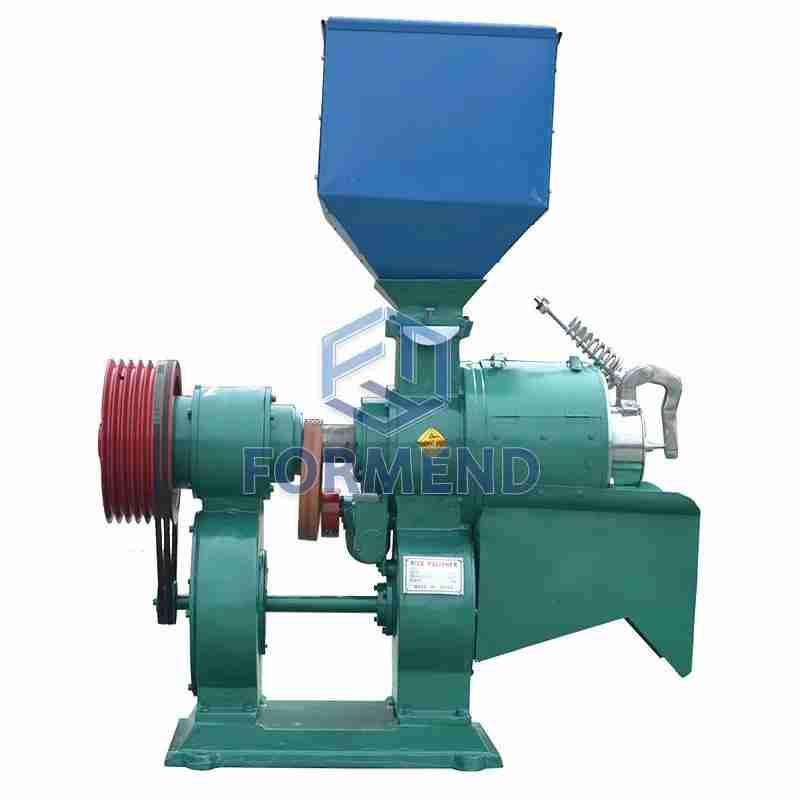
Choosing the Right Jet Rice Polisher: Features and Considerations
When selecting a jet rice polisher, it is essential to consider various features that can significantly impact performance and efficiency. One of the key aspects to look for is the machine’s capacity and throughput. Depending on your production needs, choosing a model that can handle a larger volume of rice can save time and enhance productivity. Additionally, the polishing mechanism plays a crucial role; some machines utilize a combination of air and water flow, while others might rely on abrasive methods. It’s crucial to evaluate which method best suits your rice quality requirements and desired end product.
Another important consideration is the energy efficiency of the polisher. Machines that consume less power while maintaining high performance can contribute to overall cost savings in the long run. Look for models equipped with advanced control systems that offer customizable settings; this feature allows for precise adjustments based on the rice type and desired finish. Furthermore, maintenance and ease of cleaning should not be overlooked, as these factors will influence the longevity and reliability of your polisher. A well-designed machine with accessible components will ensure minimal downtime during maintenance and optimal operation.
Embracing Sustainability: The Environmental Impact of Rice Polishing Innovations
The evolution of rice polishing techniques has ushered in a new era of sustainability within the agricultural sector. Traditional methods often led to significant waste and environmental degradation. In contrast, innovations such as jet rice polishers have transformed the process, highlighting the importance of incorporating advanced technology into agriculture. These systems not only reduce resource consumption but also enhance rice quality by minimizing nutrient loss, which is critical in improving food security in growing populations. The effectiveness of jet polishers lies in their use of air jets to remove the outer layers of rice grains without excessive abrasion, thereby preserving more valuable nutrients and reducing the amount of waste generated.
Moreover, the adoption of these eco-friendly innovations facilitates a shift towards more sustainable rice production practices. Key benefits include:
- Resource efficiency: Reduced water and energy consumption during the polishing process.
- Decreased waste: Lower levels of rice husk and bran waste reduced landfill contributions.
- Improved soil health: Generated materials can be repurposed as organic fertilizers, enhancing nutrient cycling.
To assess the environmental advantages provided by these innovations, consider the following table that compares traditional and jet rice polishing methods:
| Aspect | Traditional Polishing | Jet Rice Polishing |
|---|---|---|
| Energy Consumption | High | Low |
| Waste Generation | High | Minimal |
| Nutrient Preservation | Low | High |
Through these advancements, not only do we refine the quality of rice we consume, but we also move towards a more responsible agricultural system that values environmental stewardship. Such sustainable practices can play an essential role in combating climate change and encouraging a circular economy within the food industry.
Closing Remarks
As we step back and admire the transformative journey of jet rice polishers, it becomes evident that the intersection of technology and tradition is reshaping the future of rice processing. This mechanical marvel does more than merely enhance the visual appeal of rice; it catalyzes a movement towards higher quality, improved nutrition, and sustainable practices in the agricultural sector. The revolution of jet rice polishers, with their precise engineering and innovative design, not only addresses the challenges faced by farmers and producers but also elevates the consumer experience.
As we continue to explore the nuances of food technology, the impact of such advancements will undoubtedly echo throughout global markets. With every polished grain, we move closer to a world where efficiency and quality coexist harmoniously, benefiting both producers and consumers alike. In this ever-evolving landscape, it will be fascinating to witness how jet rice polishers continue to refine their craft, ultimately shaping the future of rice production and ensuring that every plate served is a testament to perfection.



