
Transforming Grain: Inside the Paddy Processing Revolution
As the sun rises over lush green fields, the sound of rustling leaves harmonizes with the gentle hum of machinery—a symphony of tradition and innovation. In the heart of agricultural landscapes, paddy processing is undergoing a revolutionary transformation, redefining the journey of rice from field to table. This article delves into the intricate world of grain transformation, exploring the advanced technologies and sustainable practices reshaping an industry that sustains billions. Join us as we uncover the challenges faced by traditional methods, highlight pioneering solutions, and celebrate the vital role that rice plays in global food security. From the farmer’s hands to high-tech processing plants, discover how the paddy processing revolution is not only enhancing efficiency but also preserving the essence of an age-old staple.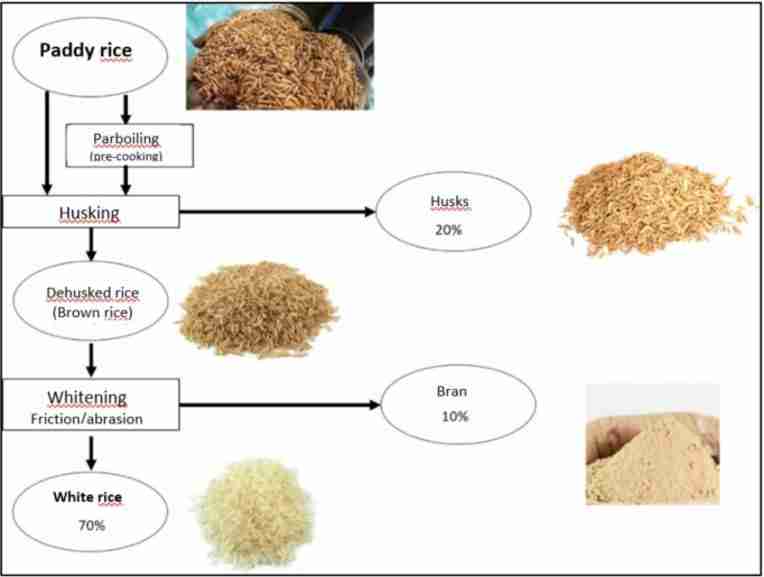
Exploring Innovative Techniques in Paddy Processing
In the realm of grain processing, new methodologies are emerging to enhance the efficiency and quality of paddy treatment. Techniques like water-saving wet milling and integrated machine systems are at the forefront of this revolution, minimizing water usage while maximizing yield. Additionally, the introduction of smart sensors and AI-driven analytics is transforming how producers monitor grain quality and moisture levels. These technologies not only streamline operations but also help in achieving more sustainable practices within the industry, further promoting environmental responsibility.
Moreover, bioprocessing has gained traction as a revolutionary technique in paddy processing. This method utilizes biological agents for fermentation, leading to improved nutritional profiles and flavor retention in rice products. The benefits are manifold, including increased shelf life and reduced waste. A collaborative table of innovative techniques showcases how these methods compare in terms of efficiency, sustainability, and output:
| Technique | Efficiency | Sustainability | Output Quality |
|---|---|---|---|
| Water-saving Wet Milling | High | High | Excellent |
| Integrated Machine Systems | Moderate | High | Very Good |
| Smart Sensor Technology | High | Moderate | Good |
| Bioprocessing | Moderate | Very High | Excellent |

Enhancing Efficiency Through Technological Advancements
The paddy processing industry is undergoing a remarkable transformation as cutting-edge technologies reshape traditional practices into streamlined operations. By introducing advanced machinery, such as automated milling systems and precision sensors, processors can significantly reduce waste and enhance product quality. These technological innovations not only optimize the flow of grains through various stages of processing, but also ensure consistency and safety in the final product. The integration of data analytics and machine learning into these systems allows stakeholders to monitor performance in real time, anticipate maintenance needs, and fine-tune processes to improve yield and profitability.
Furthermore, the advent of sustainability-focused technologies is leading to greener practices in paddy processing. Facilities are now adopting energy-efficient equipment and implementing recycling systems for water and byproducts, which drastically lowers their carbon footprint. The cultivation of smart farming techniques, paired with IoT devices, enables farmers to use resources judiciously, ensuring a higher yield with less input. As the industry moves forward, the combination of these innovations not only enhances productivity but also promotes an eco-friendly approach, building a more resilient future for paddy processing.
| Technology | Benefits |
|---|---|
| Automated Milling Systems | Increases efficiency and consistency |
| Precision Sensors | Enhances product quality |
| Data Analytics | Improves yield and profitability |
| IoT Devices | Optimizes resource use |

Sustainability as a Core Principle in Grain Transformation
In the ever-evolving landscape of agriculture, incorporating eco-friendly practices into grain transformation has become paramount. The industry is embracing innovative methods that prioritize minimal environmental impact while maximizing efficiency. Key strategies include:
- Waste Reduction: Utilizing by-products from paddy processing to create animal feed or organic fertilizers.
- Water Conservation: Implementing advanced irrigation systems to reduce water usage during paddy cultivation.
- Renewable Energy Sources: Transitioning to solar or wind energy to power grain processing facilities.
The commitment to sustainable practices not only aids in safeguarding the environment but also offers significant economic benefits. By fostering a circular economy, grain processors can enhance their supply chain while contributing to community well-being. An example of this is the integration of crop rotation and intercropping techniques that maintain soil health and biodiversity. Below is a simple overview of potential benefits:
| Benefit | Description |
|---|---|
| Enhanced Quality | Improved soil health leads to better crop yields. |
| Cost Savings | Reduced dependence on chemical fertilizers and pesticides. |
| Community Engagement | Local partnerships to promote sustainable practices. |
Empowering Farmers with Knowledge and Resources
In the modern agricultural landscape, the key to success lies in equipping farmers with essential insights and tools that drive productivity and efficiency. This initiative focuses on enhancing knowledge through various educational programs and workshops designed to inform farmers about innovative processing techniques. By sharing best practices and showcasing advanced machinery, farmers can significantly improve their paddy output. The use of technology, such as mobile apps and online platforms, enables them to access vital information, market trends, and weather forecasts, ensuring they make informed decisions.
Moreover, collaboration with local cooperatives and agricultural extensions is crucial in creating holistic support systems for farmers. The introduction of resource-sharing programs allows farmers to pool their resources for purchasing processing equipment, minimizing individual costs while maximizing output. This shared approach fosters a sense of community and encourages the exchange of ideas. Key benefits of this empowerment initiative include:
- Improved Yield: Access to better processing techniques leads to higher quality grain.
- Cost Efficiency: Sharing resources reduces financial burdens on single farmers.
- Market Access: Empowerment through education opens doors to new markets.
| Benefit | Description |
|---|---|
| Knowledge Sharing | Regular workshops and seminars foster a learning environment. |
| Technology Integration | Utilization of apps for better decision-making. |
| Community Engagement | Farmers collaborate, creating a support network. |
Closing Remarks
As we conclude our exploration into the intricate world of paddy processing, it’s clear that we stand on the brink of a significant transformation. The innovations that have emerged within this sector not only promise to enhance efficiency but also to foster sustainability and economic stability for countless communities reliant on grain. From advanced milling techniques to sophisticated storage solutions, the processing revolution is reshaping how we think about food production and security.
Looking ahead, the potential for further advancements remains vast. As technology continues to evolve and the global landscape changes, those engaged in the agricultural sector must remain adaptable and informed. By embracing these changes, we can collectively work towards a more resilient and food-secure future.
In this ongoing journey of transformation, every grain counts. And as we continue to push the boundaries of what’s possible, we not only honor the age-old traditions of grain processing but also pave the way for a brighter, more sustainable tomorrow. Together, let’s cultivate this evolution and witness the remarkable impact it can have on our plates and our planet.



