
In the lush landscapes of agricultural abundance, where golden fields sway gently in the breeze, the journey of rice from paddy to plate is a delicate process that hinges on a crucial transformation. At the heart of this process lies the rice milling unit—a seemingly unassuming facility that plays a vital role in converting raw grains into the polished staples of our daily diets. This article delves into the intricate world of rice milling, illuminating the technology, craftsmanship, and labor that contribute to this essential hub of grain transformation. We will explore the various stages of milling, the significance of quality control, and the innovations reshaping this industry, shedding light on how a simple grain undergoes a metamorphosis to nourish populations around the globe. Join us as we unveil the rice milling unit, a pivotal player in the agricultural landscape and a cornerstone of food production.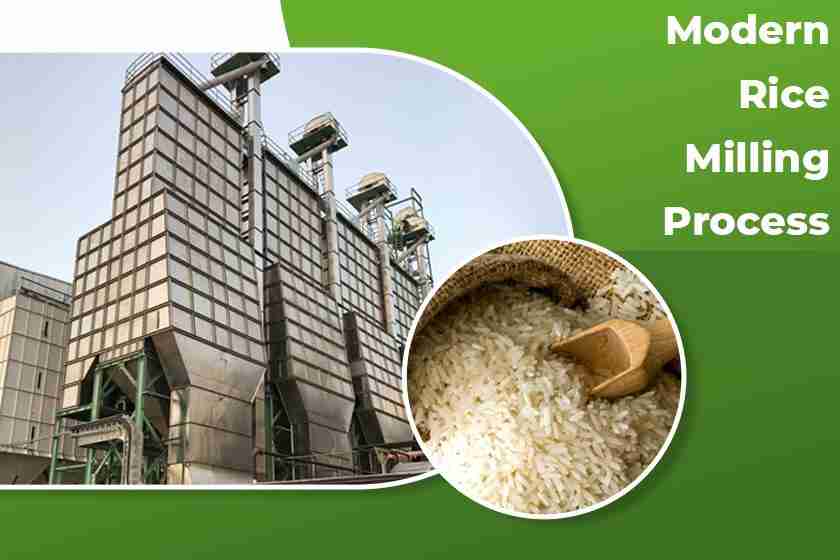
Understanding the Rice Milling Process and Its Importance
The rice milling process is a meticulous journey that transforms paddy into the polished grains that adorn our plates. This transformation is pivotal not only for enhancing the aesthetic appeal of rice but also for improving its taste and nutritional value. The process begins with the cleaning of raw paddy, where impurities like stones and dust are removed. Next, the paddy is subjected to hulling, wherein it is de-husked to separate the edible grain from the inedible husk. Following this, the rice undergoes milling, where its outer bran layer is polished off, resulting in white rice that many consumers prefer.
Understanding the milling process is crucial for several reasons. Firstly, it plays a significant role in determining the quality and shelf-life of rice. Well-milled rice not only has a longer shelf-life but also boasts enhanced flavors and textures, making it more appealing for culinary uses. Moreover, this process contributes to the economy by creating jobs and providing raw materials for rice-based products. Here are some key aspects to consider:
- Efficiency: Modern milling units optimize energy usage and maximize output.
- Technology: Advanced machinery ensures minimal breakage and higher recovery rates of edible rice.
- Sustainability: Many units are adopting eco-friendly practices to reduce waste and conserve resources.
| Milling Stage | Purpose | Outcome |
|---|---|---|
| Cleaning | Remove impurities | Clean paddy |
| Hulling | De-husk rice | Brown rice |
| Milling | Polish grain | White rice |

Exploring the Technology Behind Efficient Rice Milling
At the heart of every successful rice milling unit lies a sophisticated interplay of advanced technologies designed to enhance efficiency and output quality. Modern systems deploy mechanical and digital innovations that streamline processes, minimize waste, and ensure that every grain is processed to perfection. The integration of automated milling machines, equipped with adjustable settings, allows mill operators to customize grain processing according to varying quality and types of rice. This flexibility not only preserves the nutritional value but also meets diverse market preferences.
Furthermore, sensor technology plays a critical role in real-time monitoring and adjustments, ensuring optimal milling conditions. By employing smart analytics and machine learning, these units learn from previous milling batches to improve on future processing operations. Some key components of efficient rice milling technology include:
- Grain Cleaners - Remove impurities and enhance grain quality.
- De-stoners – Eliminate stones and foreign materials to ensure purity.
- Huskers and Millers – Transform brown rice into white rice with minimal waste.
- Polishers - Provide a shine to the finished grain and enhance market appeal.
| Technology | Benefit |
|---|---|
| Automated Systems | Increased throughput and consistency in milling |
| Advanced Analytics | Predictive maintenance and operational efficiency |
| Energy-Efficient Motors | Reduction in operational costs and environmental impact |
As rice milling technology evolves, a focus on sustainability is becoming increasingly crucial. Integrating renewable energy sources such as solar power and implementing water recycling systems are steps being taken to enhance the overall environmental footprint of milling operations. The quest for more efficient and green practices not only satisfies regulatory demands but also caters to a growing consumer base that values ecological responsibility in food processing. Embracing these advancements positions rice milling units as pivotal players in both economic viability and ecological stewardship.

Sustainability Practices in Rice Milling Units
In the quest for efficiency and environmental responsibility, rice milling units are adopting various sustainability practices. These practices not only enhance the profitability of the milling process but also contribute to minimizing the ecological footprint of agricultural operations. Key approaches include:
- Water Management: Implementing closed-loop water systems significantly reduces water wastage while ensuring the necessary quality for milling.
- Waste Reduction: Utilizing by-products, such as rice husks and bran, for bioenergy production or as organic fertilizers fosters a circular economy.
- Energy Efficiency: Upgrading to energy-efficient machinery and harnessing renewable energy sources, like solar and wind, decreases reliance on fossil fuels.
- Green Certifications: Obtaining certifications such as ISO 14001 for an environmental management system showcases commitment to sustainable operations.
Moreover, the implementation of advanced technologies in rice milling units has proven instrumental in minimizing waste and enhancing resource efficiency. For instance, the integration of smart sensors and IoT devices enables real-time monitoring of production parameters, allowing for dynamic adjustments that lead to reduced energy consumption and improved yield quality. A recent study revealed the following impact metrics:
| Metric | Before Technology | After Technology |
|---|---|---|
| Energy Consumption (kWh) | 1200 | 800 |
| Water Usage (Liters) | 3000 | 1500 |
| Waste Generation (Kg) | 500 | 250 |
Enhancing Profitability through Strategic Management and Marketing
In the competitive landscape of grain transformation, the success of a rice milling unit hinges on the implementation of effective management and marketing strategies. By streamlining operations and optimizing resources, units can significantly reduce overhead costs. Key elements that contribute to enhancing profitability include:
- Operational Efficiency: Embracing technology to automate processes reduces labor costs and errors.
- Quality Control: Maintaining high-quality standards attracts more business and can justify premium pricing.
- Supply Chain Management: Building strong relationships with suppliers ensures consistency and reliability in sourcing raw materials.
Furthermore, strategic marketing can elevate the visibility of the rice milling unit. By understanding the target demographic and their preferences, units can tailor their messaging and branding effectively. This can be achieved through:
| Marketing Strategy | Description |
|---|---|
| Digital Presence | Utilizing social media platforms to reach a broader audience. |
| Collaborations | Partnering with local farmers to enhance community support and sustainability. |
| Brand Storytelling | Creating narratives around the milling process to connect with consumers emotionally. |
By synergizing strategic management and marketing efforts, rice milling units can unlock new avenues for growth, ensuring they not only survive but thrive in a dynamic market landscape.
Key Takeaways
the rice milling unit stands as a testament to human ingenuity and the transformative power of technology in agriculture. It is not merely a place of production; it is a hub where raw grains are meticulously converted into nutritious staples that feed millions around the globe. By bridging the gap between the field and the table, these units play a crucial role in enhancing food security and supporting local economies.
As we continue to explore the evolution of grain processing, it becomes clear that the rice milling unit embodies both tradition and innovation. It remains a vital component in the quest for efficiency and sustainability within the agriculture sector. As we unveil the intricacies of this dynamic industry, we invite readers to recognize the importance of investing in such transformative hubs that ensure the growth and prosperity of communities worldwide.
So, whether you are a farmer, an entrepreneur, or simply a consumer, the journey of rice from field to fork is one we all share. By understanding the significance of rice milling units, we can appreciate the intricate processes that contribute to the food we enjoy. Together, let us celebrate the art of grain transformation and the dedicated efforts behind each precious grain that nourishes our lives.



