
In the heart of lush rice paddies, where golden grains sway gently in the breeze, a remarkable journey begins—one that transforms humble seeds into the staple food that sustains billions. Welcome to the world of paddy processing, where technology and tradition intertwine to elevate grain to gain. This article takes you behind the scenes of a paddy processing factory, unveiling the intricate machinery and skilled hands that play a pivotal role in this transformative process. As we explore the various stages from harvesting to the final package, we’ll shed light on the fascinating interplay of agriculture and industry, and how each grain contributes to global food security and economic vitality. Join us as we delve into the seamless fusion of nature and innovation, revealing the story of rice that nourishes not just bodies, but entire communities.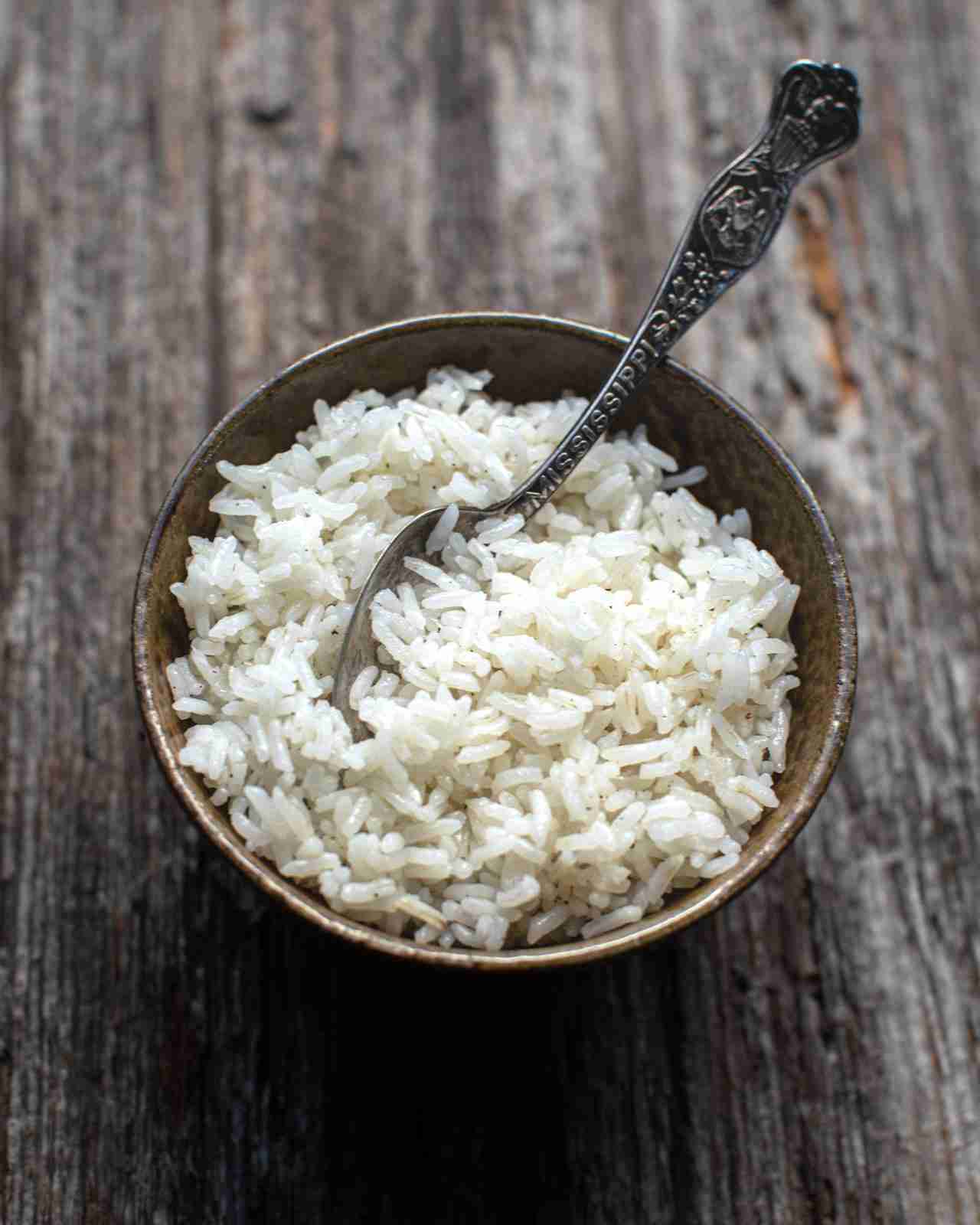
Exploring the Journey of Rice: From Paddy Fields to Processing Plants
Every grain of rice tells a story, beginning its journey amidst verdant paddy fields, cradled by sunlight and the gentle caress of water. As farmers cultivate the fields, they nurture each plant with dedication, knowing that the health of the harvest relies on their expertise in timing, soil management, and pest control. Once the golden rice stalks are ready for harvest, community members come together, transforming this natural abundance into a collective celebration of hard work and unity. The grains, now plucked from their earthy beds, are transported to processing plants where their transformation truly begins.
Upon arrival at the processing facility, rice grains undergo a meticulous journey of refinement. The initial step involves cleaning, ensuring that the grains are free from impurities such as dirt or stones. Following this, the rice is hulled to remove the outer husk, transitioning from inedible to edible. The grains then face the crucial steps of milling and polishing, enhancing their appearance and texture. To showcase the stages in a structured manner, here’s a brief overview of the key processes involved:
| Process | Description |
|---|---|
| Cleaning | Removal of dirt, dust, and external debris. |
| Hulling | Separation of the husk from the grain. |
| Milling | Grinding the grain to remove the bran layer. |
| Polishing | Enhancing the luster and texture of the rice. |
Eventually, the rice emerges not just as a staple food, but as a testament to a rich cultural legacy and an agricultural economy. Each transformation step maintains the integrity and quality essential for consumers, paving the way for marketing and distribution across the globe. With a deep-rooted connection to nourishment and tradition, this journey showcases the intricate craft of rice processing, interlinking farmers, facilities, and markets in a vibrant tapestry of sustainability and innovation.

The Art and Science of Paddy Processing: Techniques and Innovations
Paddy processing is a fascinating blend of art and science, where traditional techniques meet cutting-edge innovations to transform raw grain into high-quality rice. The journey begins with pre-cleaning, which removes impurities such as straw, stones, and dirt. This vital first step ensures that the rice maintains its quality throughout processing. Next comes the hulling stage, utilizing modern machinery that efficiently separates the hull from the grain without compromising its integrity. The entire process prioritizes efficiency, resulting in lower waste and enhanced yield.
As we delve deeper into the factory, several advanced techniques set the stage for superior rice production. Optical sorting technology allows for the identification and removal of defective grains based on color and transparency, while parboiling enhances the nutritional value and shelf life of rice. Furthermore, the use of steamers and dryers ensures precise control of moisture content, vital for achieving optimal texture and flavor. Here’s a glimpse of some innovative paddy processing innovations:
| Technique | Description |
|---|---|
| Optical Sorting | Employs cameras and sensors to detect and remove defective grains. |
| Parboiling | A pre-cooking method that enhances nutrient retention and flavor. |
| Precision Drying | Regulates moisture levels to prevent spoilage and improve storage. |

Quality Control in Rice Production: Ensuring Excellence at Every Stage
The journey from harvested paddy to polished rice involves a meticulous adherence to quality control measures. Each stage of the rice processing journey demands robust protocols to ensure that only the best grains make it into our homes. This starts right at the collection of harvested crops, where paddy undergoes a stringent selection process. Key activities in this phase include:
- Inspection of Grain Quality: Assessing for pest damage, moisture content, and impurities prevents inferior grains from entering the processing pipeline.
- Cleaning and Sorting: Advanced machinery is employed to remove unwanted materials, ensuring only high-quality grains remain.
- Storage Conditions: Proper storage facilities prevent spoilage, maintaining ideal temperature and humidity levels.
As the paddy moves through the processing stages, constant monitoring is essential. Milling is conducted with cutting-edge technology that preserves the nutritional integrity while enhancing the visual appeal of the rice. Here, quality control checks include:
| Processing Stage | Quality Check |
|---|---|
| Husking | Grain Breakage Ratio |
| Paddy Separation | Purity Assessment |
| Polishing | Surface Smoothness |
Final packaging also follows rigorous checks, ensuring airtight conditions to preserve freshness. With each step carefully orchestrated, the focus on quality ensures that consumers receive rice that meets the highest standards of excellence.
Sustainability in the Rice Industry: Best Practices for a Greener Future
In the quest for a greener future, the rice industry is integrating innovative practices that prioritize sustainability throughout the entire production process. Farmers are increasingly adopting crop rotation and intercropping techniques, which enhance soil fertility while minimizing pest infestations. Additionally, the use of seed varieties that require less water and are more resilient to climate change contributes to reduced water usage and promotes ecosystem health. The shift towards organic fertilizers and biopesticides is also making significant strides in protecting biodiversity and promoting healthier agricultural practices.
Moreover, sustainable paddy processing factories are optimizing energy efficiency and minimizing waste. Many facilities are now harnessing renewable energy sources, such as solar or biomass energy, to power their operations. Water management systems are designed to recycle and reduce consumption, promoting a circular economy. These factories are adopting advanced technologies that maximize output while minimizing environmental impact, such as heat recovery systems and waste-to-energy conversion. In doing so, they not only contribute to a healthier planet but also enhance their economic viability by cutting costs and increasing product quality.
Insights and Conclusions
As we draw the curtain on our journey through the paddy processing factory, it becomes clear that this complex operation is much more than just a set of machines and laborers. It is a harmonious blend of tradition and innovation, where every grain is transformed into a valuable commodity that sustains millions. The meticulous attention to detail, the commitment to quality, and the embrace of technology create a symphony of productivity that echoes through the aisles of the factory.
With every step, from harvest to packaging, we witness the care that goes into ensuring that each grain retains its richness while meeting the ever-growing demands of consumers. This intricate process not only supports local economies but also plays a significant role in global food security. The paddy, once a simple seed, becomes a vital resource that nourishes families around the world.
As you reflect on the journey from grain to gain, consider the invisible threads that connect farmers, factory workers, and consumers in this intricate web of food production. The next time you enjoy a bowl of rice, remember the labor and ingenuity that brings it from the fields to your table—an enduring reminder of the power of agriculture and the community that supports it.



