
In an age where innovation meets necessity, agriculture stands on the precipice of transformation. The humble rice grain, a staple that has nourished populations for centuries, is experiencing a revolution of its own—thanks to the emergence of combined rice mills. These advanced facilities are not just machines; they represent a paradigm shift in how we approach one of humanity’s oldest industries. As the demand for efficiency and sustainability continues to grow, combined rice mills promise to streamline production, enhance quality, and reduce waste, redefining how rice is cultivated, processed, and delivered to consumers. In this article, we explore the rise of these technological marvels, their impact on the agricultural landscape, and their potential to ensure food security in an ever-changing world. Join us as we delve into the mechanics and advantages of combined rice mills, and discover how they are planting the seeds for a brighter future in agriculture.
Emerging Technologies in Combined Rice Milling Enhancing Efficiency and Yield
The landscape of rice milling is undergoing a transformative shift with the integration of innovative technologies that significantly bolster productivity and minimize losses. Automation has emerged as a key player, with advanced machinery equipped with sensors and AI algorithms that monitor grain quality during processing. This real-time data facilitates immediate adjustments, ensuring optimal performance and consistent output. Additionally, energy-efficient systems are being implemented, reducing the carbon footprint and operational costs for millers. These smart systems allow for more sustainable practices, aligning economic gains with environmental stewardship.
Moreover, the advent of biotechnology is reshaping the way rice is processed. Enhanced milling equipment now incorporates techniques that optimize grain separation and enhance the nutritional value of both the husk and the polished rice. For instance, nutrient fortification technologies are being employed to enrich rice with essential vitamins and minerals. Such innovations not only improve yield but also address nutritional deficiencies in populations that rely heavily on rice as a staple. A look at the beneficial impacts of these emerging technologies reveals a promising future for rice milling:
| Technology | Benefit |
|---|---|
| Automation | Improved efficiency and consistency |
| Energy-efficient systems | Reduced operational costs and environmental impact |
| Biotechnology | Enhanced grain quality and nutrition |
| Nutrient fortification | Addressing nutritional deficiencies |
Sustainable Practices for Modern Rice Mills Reducing Environmental Impact
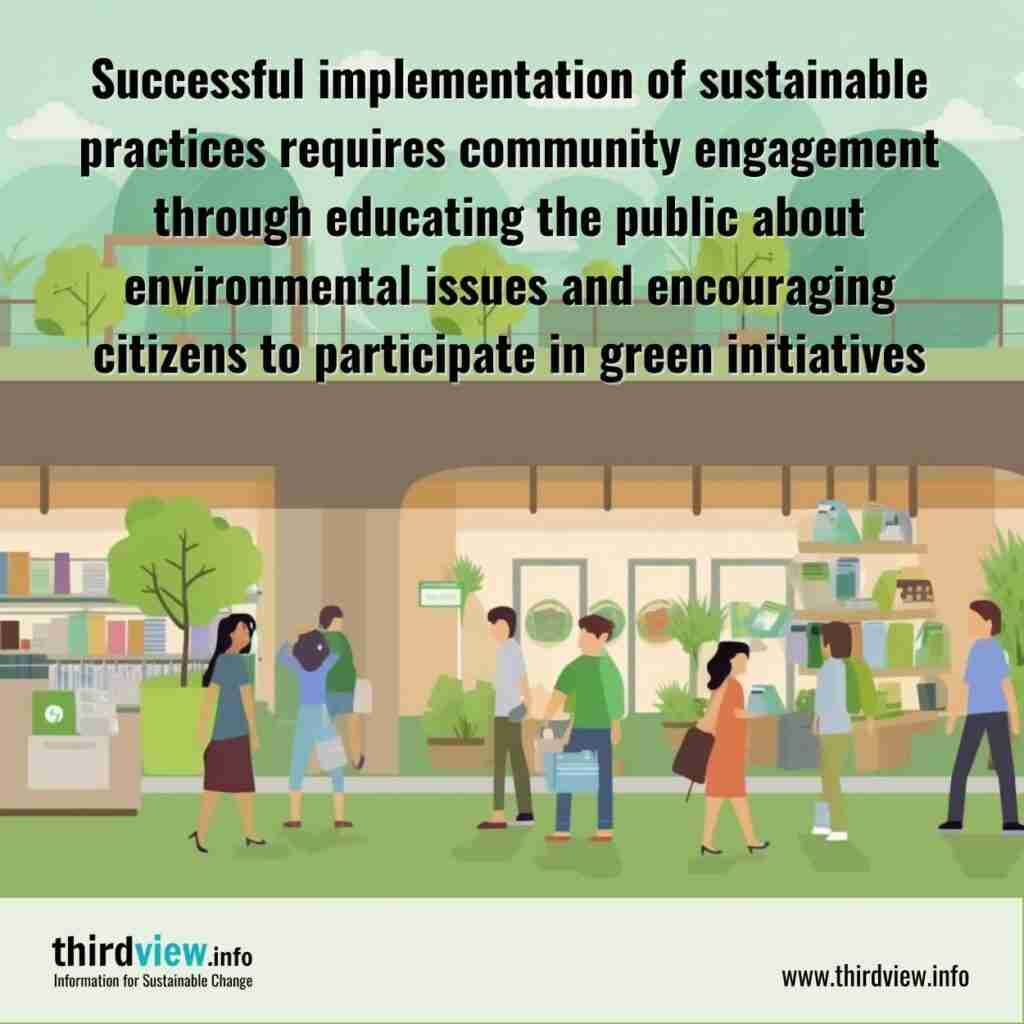
Modern rice mills are embracing innovative strategies aimed at minimizing their ecological footprint while maximizing efficiency. By integrating renewable energy sources such as solar and biomass, these mills not only reduce their reliance on fossil fuels but also cut down on greenhouse gas emissions. Implementing energy-efficient machinery and optimizing the milling process through advanced technologies further enhances productivity while conserving resources. Other sustainable practices include:
- Water conservation technologies: Using recirculating systems to limit water waste.
- Waste management solutions: Converting husks and by-products into bioenergy or organic fertilizers.
- Community engagement: Involving local farmers in sustainable practices to build a circular economy.
Moreover, adopting precision farming techniques can extend the environmental benefits beyond the milling process. By using data analytics and IoT sensors, rice mills can provide farmers with advice on optimal planting times and crop management practices based on environmental conditions. This not only enhances yield but also encourages soil health and biodiversity. A comprehensive overview of sustainable practices can be illustrated as follows:
| Practice | Benefits |
|---|---|
| Solar Energy Utilization | Reduces reliance on fossil fuels, lowering overall emissions. |
| Waste Conversion | Transforms by-products into valuable resources, minimizing waste. |
| Precision Farming | Optimizes resource use, enhances crop yields, and supports sustainability. |
Economic Implications of Combined Rice Mills Boosting Local Communities and Markets
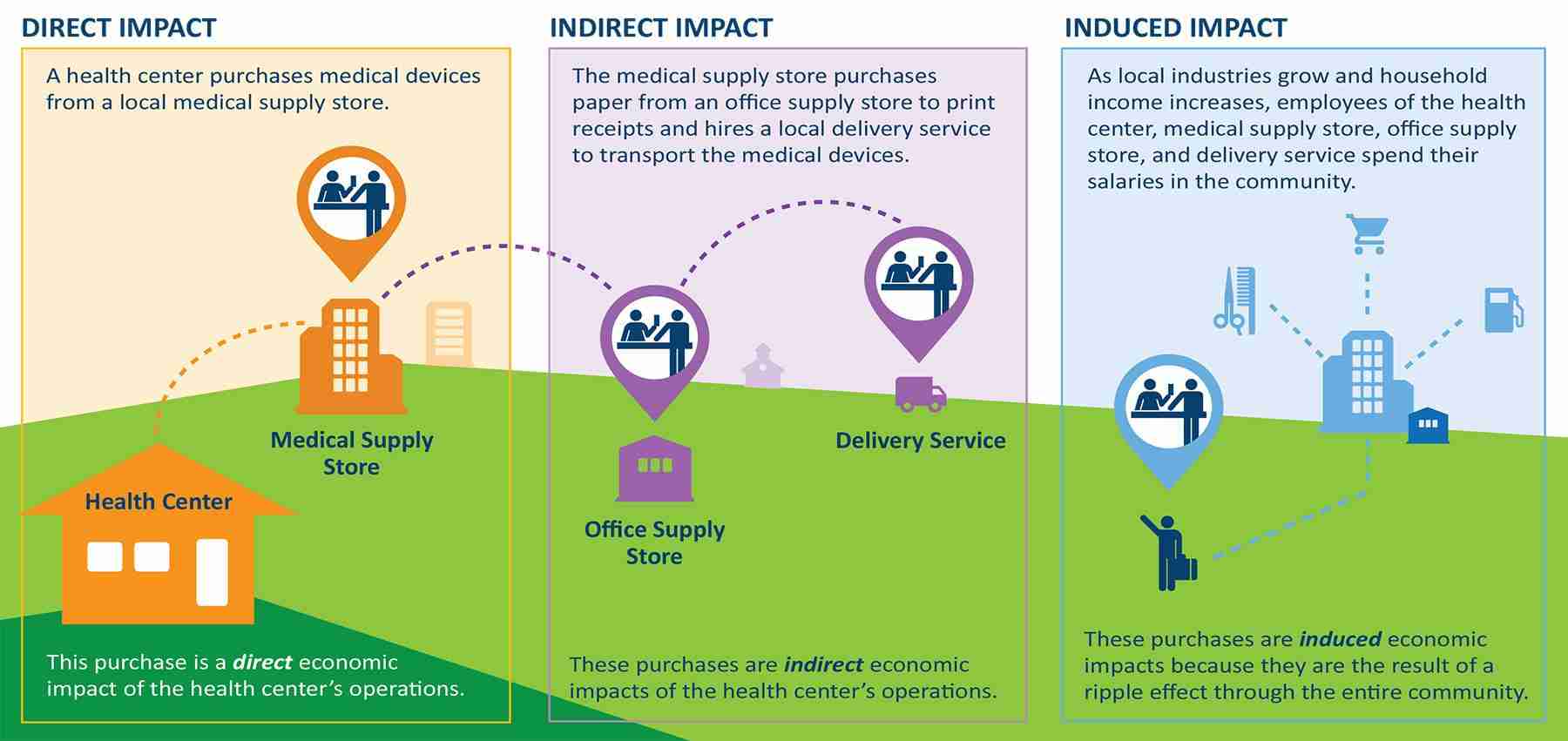
The introduction of combined rice mills has the potential to serve as a catalyst for economic rejuvenation in local communities. By streamlining the rice production process, these mills not only enhance efficiency but also ensure higher yields. As local farmers gain access to modern milling technology, they can expect a significant boost in their income levels. This technology contributes to the following benefits:
- Increased Job Opportunities: The establishment of combined rice mills can create direct and indirect job opportunities for local residents, ranging from machinists to farmers.
- Value Addition: Local economies thrive as milled rice retains a higher market price than paddy. This encourages farmers to invest in quality seeds and proper agricultural practices.
- Market Expansion: Enhanced milling capacity can lead to better access to broader markets, boosting local trade and attracting new investments.
Furthermore, the integration of combined rice mills fosters a sense of community collaboration. Farmers can unite under cooperative structures, sharing resources and knowledge, which cultivates a supportive environment conducive to growth. This collective approach often results in:
| Community Benefits | Economic Gains |
|---|---|
| Shared Resources | Reduction in individual expenses for equipment and maintenance. |
| Skill Development | Training programs enhance productivity and innovation. |
By amplifying these economic advantages, combined rice mills not only modernize agricultural practices but also weave a fabric of resilience and self-sufficiency within rural communities. The resulting uplift in both local livelihoods and markets lays the groundwork for sustained growth and stability, echoing well beyond the fields and mills.
Future Outlook Innovations and Trends Shaping the Future of Rice Processing
The future of rice processing is being shaped by a variety of innovations and trends that emphasize efficiency, sustainability, and technology integration. One significant advancement is the development of smart rice milling machines equipped with IoT (Internet of Things) capabilities. These machines can monitor and control the milling process in real-time, optimizing factors such as temperature, humidity, and husking pressure. Additionally, advancements in automated sorting and grading systems enable rice producers to categorize grains based on quality and size, enhancing the overall value of the produce while minimizing human labor and reducing waste.
Furthermore, agricultural scientists are focusing on sustainable practices that harness renewable energy sources, such as solar-powered mills, which not only reduce operational costs but also lessen the ecological footprint of rice processing. Innovations in biodegradable packaging for rice products are also on the rise, aligning with global trends towards sustainability. The integration of data analytics and blockchain technology promises improved traceability in the rice supply chain, ensuring better quality control and consumer confidence. These trends highlight a transformative era for rice processing, where technological prowess meets ecological responsibility.
Concluding Remarks
In an era where food security and sustainability have taken center stage, the emergence of combined rice mills stands as a beacon of innovation in agriculture. These multifaceted facilities not only streamline production processes but also enhance the quality and efficiency of rice milling, addressing the challenges faced by farmers and consumers alike. As we embrace advanced technologies and smarter practices, we pave the way for a more resilient agricultural sector. The evolution brought about by combined rice mills signifies not just an improvement in rice production but a profound shift towards a more sustainable and efficient food system. By harnessing this transformative potential, we can cultivate a future where agriculture thrives in harmony with both nature and community needs. The journey of adaptation and innovation has just begun; together, let’s explore the boundless possibilities that lie ahead in the world of agriculture.



