
In a world where rapid technological advancements define the landscape of agriculture, the humble rice plant stands at the precipice of a remarkable transformation. The nuances of paddy processing, often overlooked but integral to global food security, are about to undergo a revolution. As we delve into the intricacies of rice production, the spotlight shifts toward innovative paddy processing machines that promise to enhance efficiency, sustainability, and yield. This article explores how cutting-edge technology is reshaping the way we harvest, mill, and distribute one of the world’s most essential staple foods, paving the way for a future that embraces both tradition and advancement in the quest for food sustainability. Join us as we uncover the exciting developments that are set to redefine the rice industry and ensure a prosperous tomorrow for farmers and consumers alike.
Emerging Technologies in Paddy Processing for Enhanced Efficiency
As the global demand for rice continues to rise, the paddy processing industry is witnessing a wave of innovative technologies designed to enhance operational efficiency. One of the most promising developments is the integration of automation and AI into traditional milling processes. These smart machines utilize advanced algorithms to optimize output while minimizing waste, allowing millers to be more precise in their operations. The use of sensors and data analytics also enables real-time monitoring of equipment, ensuring that any deviations from the ideal processing parameters can be swiftly addressed, which not only improves quality but also substantially reduces downtime.
Furthermore, emerging technologies such as biotechnology, including enzyme-based treatments, are transforming the way rice is processed by enhancing the nutritional value and shelf-life of the final product. The introduction of energy-efficient machinery is also gaining traction, as it addresses the industry’s growing concern over sustainability. This machinery consumes less energy while operating at higher capacities, facilitating a more eco-friendly processing line. Below is a comparative table highlighting some of these transformative technologies:
| Technology | Benefits |
|---|---|
| AI & Automation | Increased precision and reduced waste. |
| Sensors & Data Analytics | Real-time monitoring reduces downtime. |
| Biotechnology | Enhanced nutritional value and shelf-life. |
| Energy-efficient Machinery | Lower energy consumption and higher efficiency. |
Sustainable Practices: Redefining Environmental Impact in Rice Milling
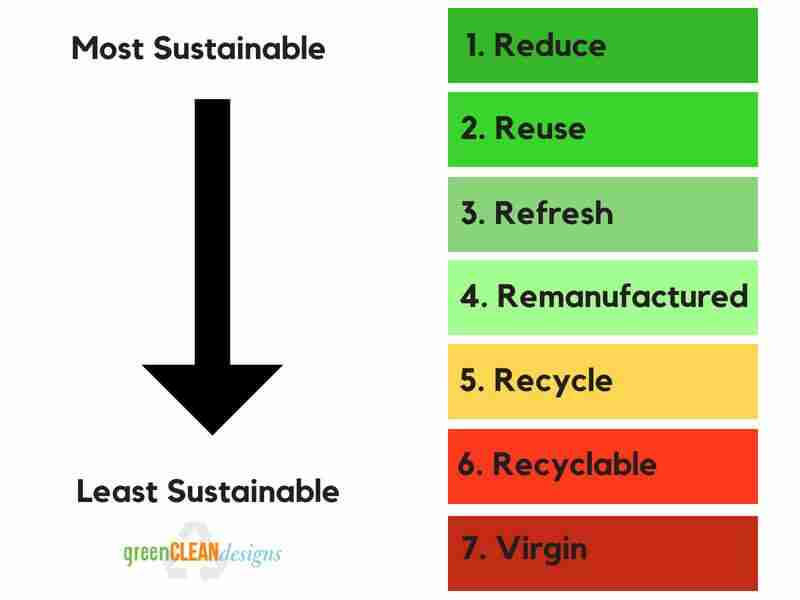
In the evolving landscape of rice milling, sustainable practices are becoming the backbone of innovation, reshaping our understanding of environmental impact. By integrating cutting-edge technology with eco-friendly methodologies, rice millers are charting a new course towards sustainability. Advanced paddy processing machines now boast features that minimize energy consumption and waste, significantly lowering carbon footprints. The implementation of smart management systems and process automation not only enhances efficiency but also fosters a culture of responsibility within the industry.
Among the most notable sustainable practices are:
- Water Conservation: Modern rice milling processes incorporate water-saving technologies that recycle and purify water used in the polishing stage.
- Waste Utilization: Byproducts such as husk and bran are increasingly being repurposed as biofuels or organic fertilizers, contributing to a circular economy.
- Energy Efficiency: State-of-the-art milling equipment reduces energy usage by optimizing machine operations and utilizing renewable energy sources.
Such advancements underscore a transformative shift toward an eco-centric model in rice processing. The future not only holds promise for enhanced productivity but is also a vital step towards preserving our planet for generations to come.

Automation and AI: Shaping the Future of Rice Quality Control
The integration of automation and artificial intelligence is transforming the landscape of rice quality control, embedding precision and efficiency into every step of the paddy processing pipeline. Cutting-edge sensors and imaging technologies now facilitate the real-time monitoring of grain characteristics, enabling processors to identify defects and inconsistencies with remarkable accuracy. By leveraging machine learning algorithms, these systems can analyze vast datasets, learning from historical patterns to enhance predictive quality assessments. The result is a significant reduction in waste and an uplift in quality assurance that benefits both producers and consumers alike.
As rice processing machines evolve, the application of automated sorting technologies and robotic systems is becoming increasingly prevalent. These technologies streamline workflow and enhance the overall processing capabilities by executing repetitive tasks with unmatched speed and precision. Some notable features include:
- Real-time data analysis: Instant feedback on the quality of incoming rice batches.
- Advanced sorting mechanics: AI-driven algorithms select the best grains based on predefined criteria.
- Predictive maintenance: Automated systems that alert operators to necessary machine upkeep before failures occur.
To illustrate the impact of these advancements, consider the following table showcasing the differences in quality metrics before and after implementing AI-driven quality control systems:
| Quality Metric | Before AI Implementation | After AI Implementation |
|---|---|---|
| Defect Rate (%) | 5.2 | 1.3 |
| Processing Time (minutes) | 40 | 25 |
| Customer Satisfaction (%) | 75 | 92 |
Cost-Effective Solutions: Investing in the Next Generation of Paddy Equipment
In today’s agricultural landscape, the demand for innovative and cost-effective solutions has never been more crucial, especially in the realm of paddy processing. With the rapid advancement of technology, traditional rice milling processes are being transformed by the advent of next-generation equipment. These machinery innovations not only enhance operational efficiency but also reduce production costs, allowing farmers and millers to maximize their profits. By investing in modern paddy processing machines, stakeholders can realize substantial savings through various means, such as:
- Improved Energy Efficiency: Cutting-edge machines consume less power while delivering higher output.
- Automated Processes: Automation leads to reduced labor costs and minimizes human error.
- Higher Yield Rates: Advanced technology increases the quality and quantity of milled rice, reducing waste.
The transition to these innovative solutions can also foster sustainable practices within the industry. By employing smart technologies, paddy processors can monitor and optimize their processes in real time, leading to better resource management. An effective comparison of traditional versus modern equipment highlights the financial benefits and productivity enhancements:
| Aspect | Traditional Equipment | Next-Generation Machines |
|---|---|---|
| Initial Investment | Higher | Moderate |
| Energy Consumption | High | Low |
| Labor Requirement | High | Lower |
| Yield Efficiency | Standard | Enhanced |
Through calculated investments in next-generation paddy processing equipment, stakeholders in the rice industry stand to benefit tremendously. Moving towards these more efficient and effective solutions is not just a trend, but a necessary evolution for those looking to thrive in a competitive market.
To Wrap It Up
As we stand on the brink of a new era in agricultural technology, the advancements in paddy processing machines are paving the way for a more sustainable and efficient future in rice production. From enhanced efficiency and reduced waste to safer working conditions for farmers, these innovations offer not just solutions, but also a promise of revitalized livelihoods and strengthened food security. As we adapt to global challenges, including climate change and population growth, the evolution of rice processing technology will play a pivotal role in ensuring we can meet the demands of tomorrow.
In embracing these cutting-edge machines, we are not merely upgrading a process; we are revolutionizing an industry integral to millions. The future of rice is not just about feeding the present; it is about cultivating a legacy of resilience and innovation for generations to come. As the grains of change unfold, one thing remains clear: the journey towards transforming rice processing has only just begun. Let us continue to cultivate curiosity and collaboration in our quest for a brighter agricultural future.



