
In the heart of lush green fields, where golden grains sway gently in the breeze, the journey of rice begins—a journey that transforms humble paddy into a staple revered across cultures. “From Field to Plate: The Art and Science of Paddy Processing” invites you to explore this intricate process, where tradition meets innovation. Beyond the picturesque landscapes, there lies a meticulous interplay of artistry and technology, shaping the path from harvest to meal. Each stage of rice processing, from the initial harvest to milling and packaging, reveals a fascinating blend of age-old techniques and modern advancements, underscoring the significance of this staple in our daily lives. Join us as we delve into the practices that honor the legacy of rice, while embracing the scientific advancements that ensure its quality and availability across the globe.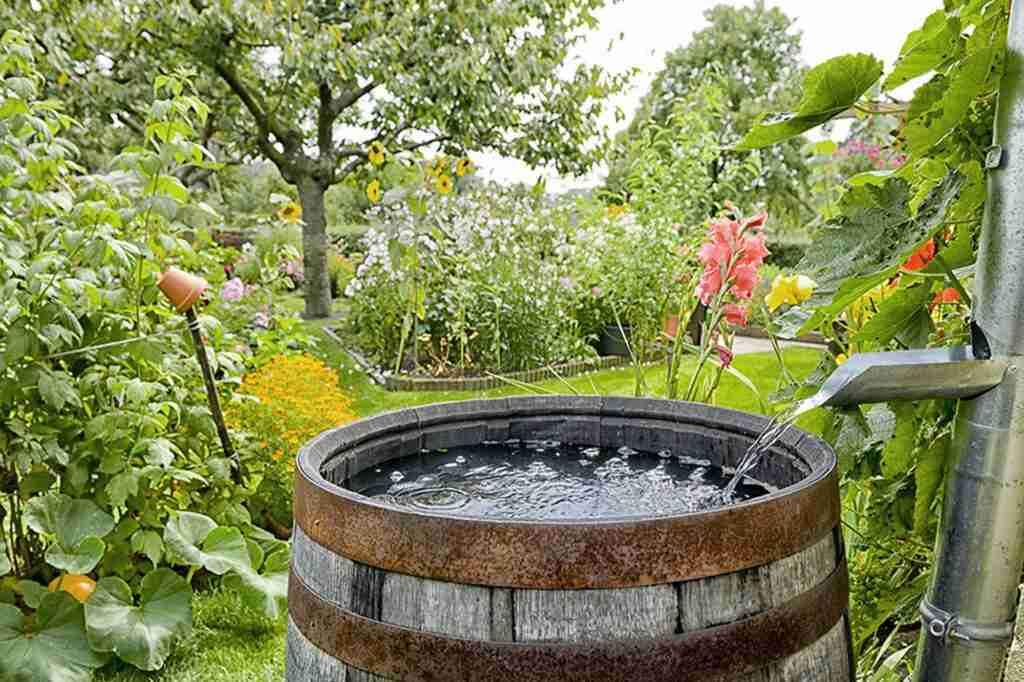
Harvesting Techniques: Maximizing Yield and Quality
Efficient harvesting techniques play a pivotal role in determining both the quality and yield of paddy. Farmers implement a variety of methods tailored to their specific field conditions and rice varieties. Some of the most effective approaches include:
- Manual Harvesting: Traditionally, farmers use sickles to cut rice stalks, allowing for a selective harvest that can minimize damage to the plants.
- Mechanical Harvesting: The adoption of combine harvesters has revolutionized paddy farming, enabling quick and efficient cutting, threshing, and collecting of grain in one go.
- Timing of Harvest: Monitoring the moisture content and determining the optimal harvesting time ensures higher grain quality and reduces post-harvest losses.
Post-harvest handling is equally critical in enhancing the overall quality of paddy. Once harvested, the rice undergoes several processing stages that influence its final texture and nutritional value. Key practices include:
| Processing Step | Description |
|---|---|
| Drying | Reducing moisture content to prevent spoilage and enhance storage longevity. |
| Thresher Use | Separating rice grains from the husk efficiently, minimizing grain breakage. |
| Polishing | Enhancing the aesthetic appeal and shelf life of polished rice, while impacting nutrient levels. |
The Milling Process: Balancing Tradition and Technology
The journey of rice from its humble beginnings in the paddy fields to the table involves a meticulous milling process that harmonizes time-honored techniques with cutting-edge technology. Traditional milling methods, with their emphasis on craftsmanship and artisan skills, continue to play a vital role in preserving the unique flavors and characteristics of the rice variety. For instance, stone grinding has been favored for centuries, imparting a distinctive taste while minimizing the heat generated during processing. However, as consumer demands evolve, the integration of modern machinery becomes essential, enhancing efficiency and output without compromising quality.
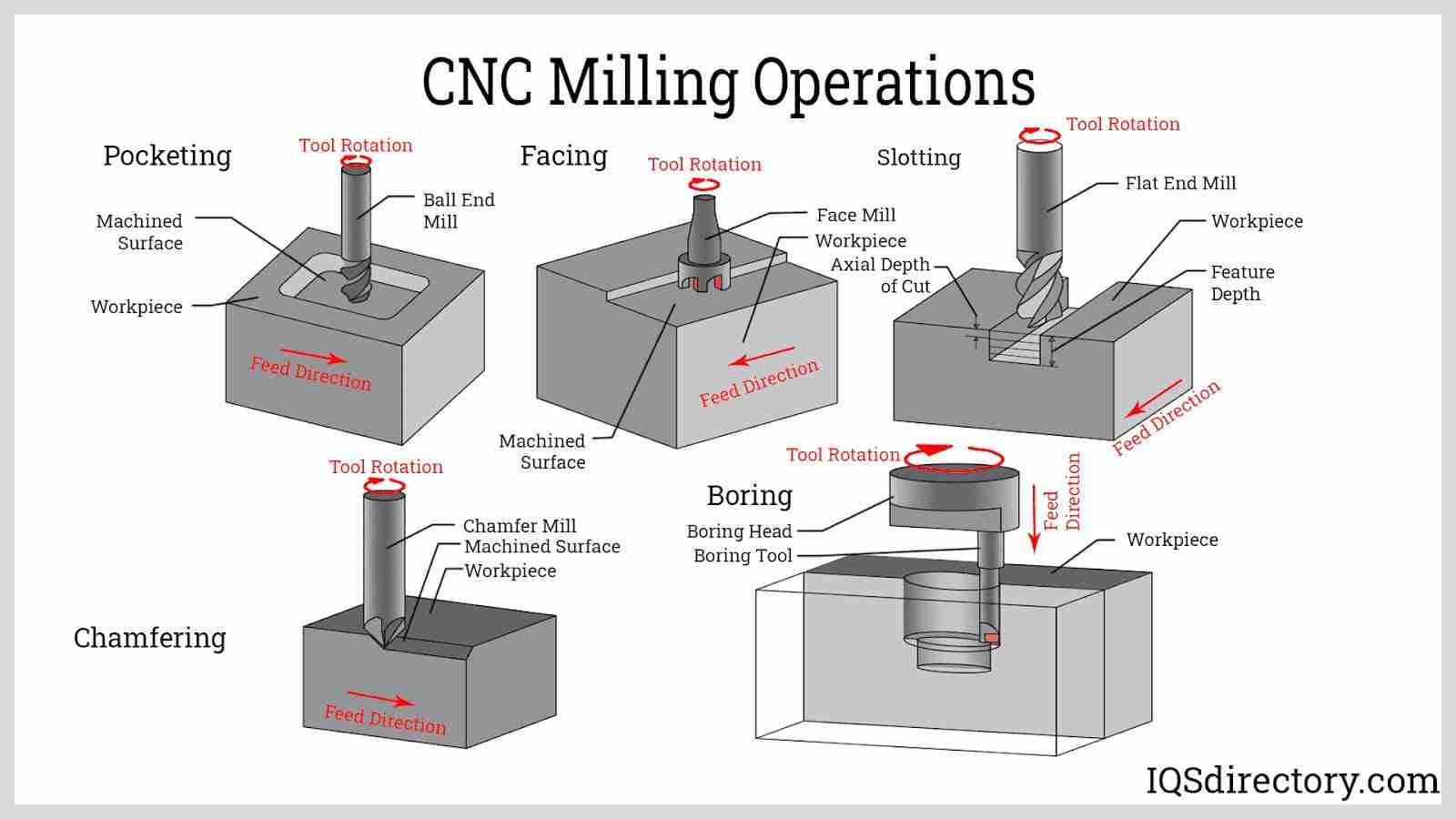
Today, the milling process transforms grain into edible rice in several critical steps, which combine both tradition and innovation. Key stages of the process include:
- Pre-cleaning: Removing unwanted particles and impurities from the harvested paddy.
- Dehusking: Removing the outer husk to expose the brown rice kernel.
- Milling: Polishing the brown rice to achieve the desired white rice, using precision machinery.
- Grading: Sorting rice based on size, quality, and appearance for market standards.
| Step | Description |
|---|---|
| Pre-cleaning | Eliminates foreign materials and dirt from paddy. |
| Dehusking | Separates the husk from the grain, resulting in brown rice. |
| Milling | Polishes and refines brown rice, ensuring smooth, white kernels. |
| Grading | Sorts rice by quality, allowing for optimal market placement. |
From Brown Rice to White: The Transformation Journey
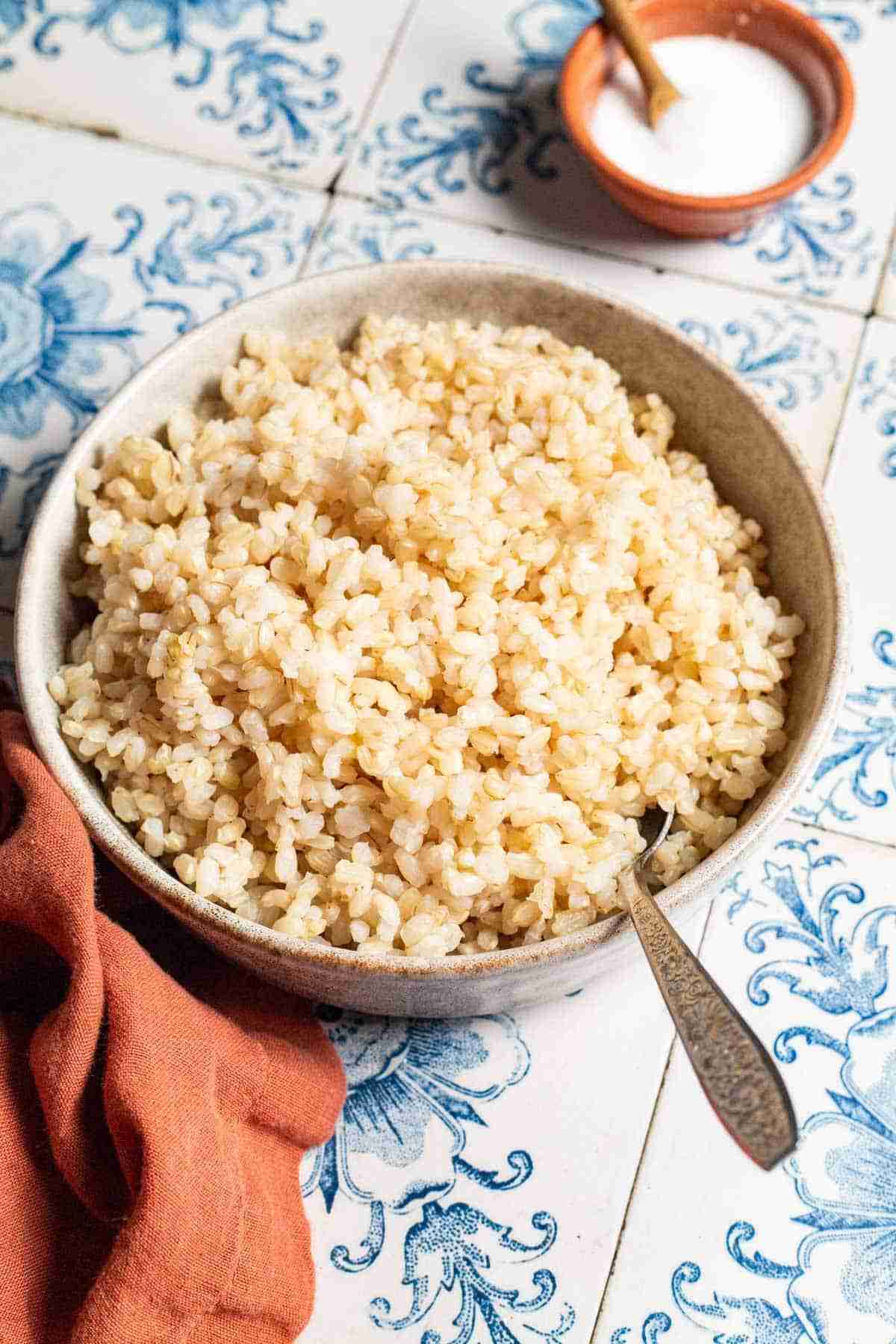
The journey of transforming brown rice into white rice is a captivating process that involves a blend of ancient traditions and modern techniques. Initially, the harvested paddy undergoes threshing, where the grains are separated from the husks using mechanical or manual methods. This is followed by cleaning, which removes impurities, stones, and dirt, ensuring that only the best grains proceed to the next stage. The true art begins in the milling process, where the whole grain is polished. Here, brown rice, still encased in its nutrient-rich bran layer, is transformed as layers of bran and germ are removed, revealing the gleaming white rice beneath.
Each step in this journey is essential not only for the yield of rice but for maintaining quality. Different milling techniques can yield various types of white rice, catering to diverse culinary preferences and nutritional needs. To illustrate this diversity, consider the table below, showcasing the distinct types of white rice, their characteristics, and uses:
| Type of Rice | Characteristics | Culinary Uses |
|---|---|---|
| Long Grain | Fluffy, non-sticky | Pilafs, stir-fries |
| Medium Grain | Moist and tender | Risottos, paella |
| Short Grain | Sticky and creamy | Sushi, rice puddings |
These transformations not only enhance the rice’s appearance and storage capability but also change its flavor and cooking properties. Understanding this journey enriches our appreciation for a staple that contributes to cuisines worldwide.
Sustainability in Paddy Processing: Best Practices for a Greener Future
Sustainable paddy processing begins with a focus on minimizing environmental impact while maximizing efficiency. By implementing practices that reduce water and energy usage, producers can significantly lower their carbon footprint. Water management is essential; utilizing techniques such as rainwater harvesting and recirculation systems not only conserves resources but also enhances soil health. Moreover, investing in energy-efficient machinery can lead to substantial savings and decreased emissions. Key practices to consider include:
- Integrating solar energy solutions in processing facilities.
- Adopting bioenergy systems using agricultural waste for heat or power.
- Implementing precision farming techniques to optimize resource use.
- Engaging in crop rotation and natural pest management to reduce chemical inputs.
In addition to resource management, fostering social responsibility within paddy processing communities is crucial. Building relationships with local farmers and providing fair wages encourages ethical practices and enhances the economic sustainability of production. To keep track of sustainability metrics, it is beneficial for producers to establish a clear set of objectives. A simple table can help visualize these goals:
| Goal | Strategy | Impact |
|---|---|---|
| Reduce Energy Consumption | Upgrade to solar-powered systems | Lower operational costs |
| Enhance Water Use Efficiency | Implement drip irrigation techniques | Conserve water resources |
| Boost Local Economies | Employ local labor and materials | Strengthen community resilience |
Through these initiatives, paddy processing can evolve into a model of sustainability, balancing economic viability with environmental stewardship. By embracing both innovation and tradition, the industry steers toward a future that is not only greener but also more equitable for all stakeholders involved.
To Wrap It Up
As we draw the curtain on our exploration of paddy processing, it’s clear that this journey from field to plate is a harmonious blend of art and science. Each grain of rice carries with it the legacy of cultivation, innovation, and meticulous care. The intricate processes—rooted in tradition yet enhanced by modern technology—transform humble paddy into a staple that nourishes millions worldwide.
Understanding this journey not only deepens our appreciation for the simplicity of a bowl of rice but also highlights the interconnectedness of agriculture, sustainability, and global food systems. As consumers, we hold the power to support practices that honor this delicate balance, ensuring that the tradition of paddy processing thrives for generations to come.
So, the next time you partake in a meal featuring rice, take a moment to reflect on the story it tells—a tale woven through the fields, the hands that harvest, and the intricacies of processing that ultimately bring it to your plate. In a world that often moves too quickly, let us savor not just the flavors, but the artistry and science behind every grain.



