
Transforming Grains: A Comprehensive Guide to Rice Mill Plants
In the heart of agriculture lies a humble yet powerful grain: rice. This staple food nourishes millions around the globe, but the journey from paddy field to plate is an intricate and nuanced process. Central to this transformation are rice mill plants, where raw grains undergo a meticulous journey of processing, milling, and refinement. As the demand for rice continues to rise in various forms—from fragrant jasmine to hearty basmati—the role of rice mill plants has never been more crucial. In this article, we embark on a comprehensive exploration of the rice milling industry. We’ll delve into the technology and machinery that empower these facilities, examine the significance of efficient processing methods, and highlight how innovations in rice milling can meet the modern consumer’s needs while promoting sustainable practices. Join us as we uncover the mechanics behind one of the world’s most essential food sources and the transformative processes that bring grains to life.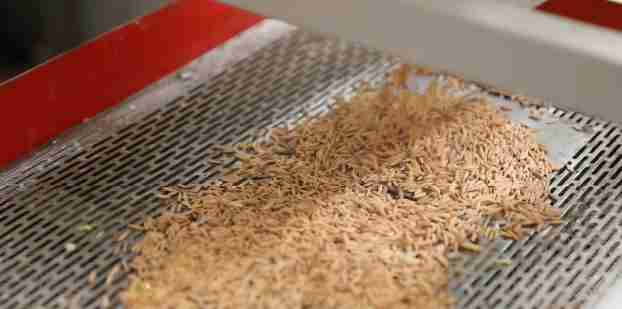
Understanding the Basics of Rice Milling Technology
Rice milling technology is a fascinating blend of traditional practices and modern innovations. At its core, the process involves several stages, each crucial for transforming paddy into high-quality rice. The key steps include pre-cleaning, husking, milling, and polishing. During pre-cleaning, impurities such as stones and dirt are removed from the harvested grains. The husking process follows, where machinery separates the outer hull from the rice grain. This involves using one or more rubber roll huskers, which exert just the right pressure to minimize damage to the rice grains while effectively removing the husk.
Once husked, the rice undergoes milling and polishing to achieve the desired appearance and texture. This stage can be further categorized into several essential processes:
- Milling: Involves grinding the rice to remove the bran layer.
- Polishing: Enhances the grain’s surface quality, making the rice more aesthetically appealing.
- Sorting: Utilizes advanced technology to classify grains based on size and quality.
The entire process requires specialized equipment and machinery designed to ensure efficiency and high output. Below is a simple comparison of some common rice milling technologies:
| Technology | Features | Efficiency |
|---|---|---|
| Traditional Mill | Manual operation, low initial cost | Low |
| Modern Automated Mill | Advanced machinery, higher output | High |
| Mini Mill | Compact design, suitable for small scale | Medium |
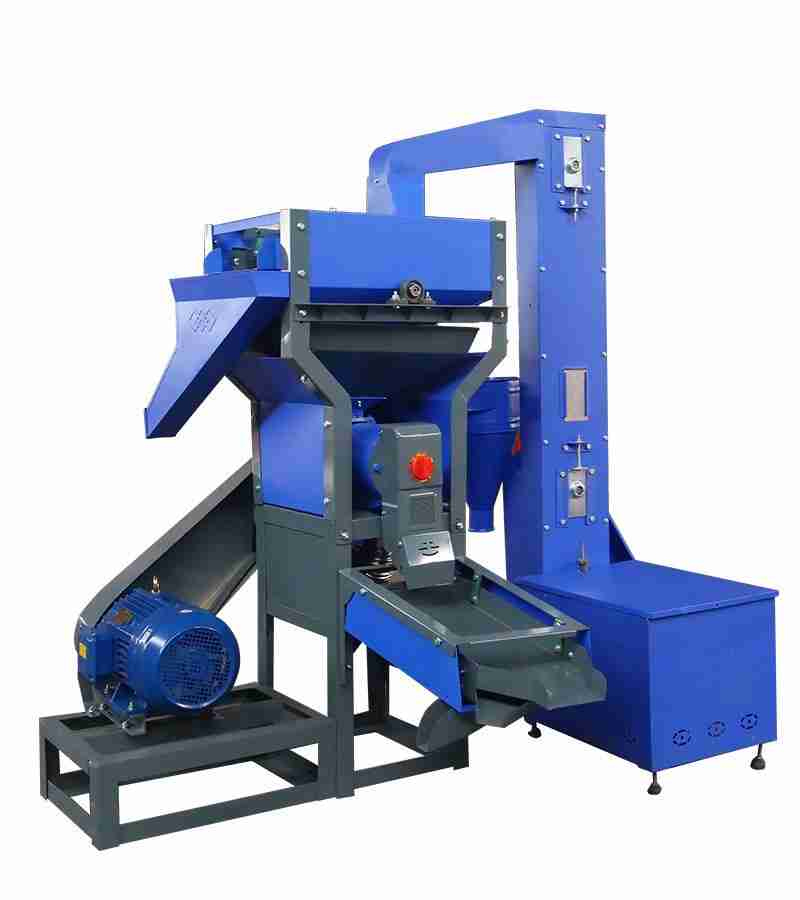
Essential Components of a Modern rice mill plant
Modern rice mill plants are equipped with an array of components designed to enhance efficiency and quality in grain processing. At the heart of any successful operation is the paddy separator, which effectively sorts paddy rice from impurities, ensuring that only the finest grains enter the milling process. Following this, dehusking machines remove the husk, leaving behind brown rice, while whitening machines eliminate the bran layer, resulting in polished white rice. Each piece of equipment is vital for maintaining the integrity of the rice and maximizing yield, making these tools indispensable in today’s competitive market.
Equally important are the parboiling units, which treat rice through steam cooking, aiding in the retention of nutrients and enhancing the final product’s texture. Another crucial component is the packaging system, designed to automate the filling process and ensure that rice is delivered to consumers in an appealing manner. To provide an overview of these essential components, the following table summarizes each part’s purpose:
| Component | Function |
|---|---|
| Paddy Separator | Sorts paddy rice from impurities |
| Dehusking Machine | Removes husk from paddy |
| Whitening Machine | Polishes brown rice |
| Parboiling Unit | Treats rice to enhance nutrition |
| Packaging System | Automates filling and seals products |

Optimizing Efficiency: Best Practices for Grain Processing
Achieving optimal efficiency in grain processing involves implementing strategic practices that streamline operations and reduce waste. Key elements include regular equipment maintenance to ensure machines run smoothly and have a longer operational lifespan. Additionally, training staff in best practices not only improves productivity but also enhances safety measures. Emphasizing the importance of quality control at each stage—from milling to packaging—can prevent costly errors and ensure a high-quality end product. By leveraging modern technology, such as automation and data analytics, rice mill plants can monitor performance in real-time, leading to informed decision-making and a reduction in downtime.
Furthermore, adopting an effective workflow layout is pivotal for optimizing space and reducing bottlenecks. Consider implementing lean principles, which focus on minimizing waste while maximizing productivity. To illustrate this approach, here’s a simple comparison of traditional versus optimized workflows:
| Aspect | Traditional Workflow | Optimized Workflow |
|---|---|---|
| Equipment Layout | Linear and segmented | Cellular and integrated |
| Lead Time | Longer due to handoffs | Shortened with direct paths |
| Staff Involvement | Specialized roles | Cross-trained personnel |
By focusing on these best practices, rice mill plants can enhance their operational efficiency, ultimately leading to greater profitability and sustainability in grain processing. Continuous improvement and adaptation to new technologies and methodologies will keep operations competitive and responsive to market demands.
Sustainability in Rice Milling: Innovations for a Greener Future
In the modern landscape of rice milling, sustainability has emerged as a crucial focal point for mill operators seeking to harmonize efficiency with environmental responsibility. Innovative technologies play a pivotal role in minimizing the carbon footprint associated with rice processing. For instance, adopting solar energy systems can significantly reduce reliance on fossil fuels, allowing mills to harness renewable energy for their operations. Furthermore, implementing water recycling systems enables mills to optimize water usage, a vital resource often wasted during traditional milling processes. A shift towards biodegradable materials for packaging rice products also enhances sustainability and contributes to reducing plastic waste in the industry.
In addition to adopting new technologies, effective waste management practices are essential for achieving sustainability in rice milling operations. By converting milling by-products, such as husk and bran, into bio-fuel or animal feed, mills transform what would otherwise be waste into valuable resources. This circular approach not only boosts profitability but also fosters ecological balance. Furthermore, establishing partnerships with local farmers for sourcing sustainably grown rice and implementing traceability systems can ensure that the entire supply chain aligns with sustainable goals. This holistic model not only enhances productivity but also paves the way for a greener future in the rice milling industry.
To Conclude
As we conclude our exploration of rice mill plants and the transformative journey of grains, it becomes clear that these facilities are more than just machines; they are the lifeblood of food security and economic stability in many regions. From the meticulous processes of milling and processing to the innovative technologies that drive efficiency and sustainability, rice mill plants play a vital role in our global food system.
By embracing advancements in mechanization and sustainable practices, these plants not only enhance the quality and yield of one of the world’s most beloved staples but also contribute to the empowerment of local economies and cultivators. As we move forward, it is essential to continue investing in education, research, and infrastructure to ensure that rice milling can adapt to the challenges of tomorrow.
Whether you are an industry insider, an aspiring entrepreneur, or simply a curious reader, we hope this comprehensive guide has shed light on the intriguing world of rice mill plants and the significant impact they have on our daily lives. Let us celebrate the humble grain, knowing that behind every plate of rice lies a story of innovation, resilience, and transformation.



