
In the lush green landscapes of rice paddies, where the sun-drenched grains await the dawn of innovation, a quiet revolution is taking root. The world of rice milling, traditionally reliant on labor-intensive processes, is undergoing a significant transformation. As global demand for rice soars and the quest for efficiency intensifies, industrial rice milling machines are stepping into the spotlight, redefining the standards of productivity and quality. This article delves into the rise of these technological marvels, exploring how they are not only unlocking efficiencies for farmers and millers but also shaping the future of rice production across the globe. Join us as we journey through the intricate workings of these machines, their impact on the industry, and the promise they hold for sustainable agricultural practices.
Emerging Technologies Transforming Rice Milling Operations
The landscape of rice milling is undergoing a significant transformation with the advent of cutting-edge technologies. Robotics and automation are playing a pivotal role in enhancing productivity and precision in milling operations. Robots designed for tasks like sorting and packaging can dramatically reduce labor costs and increase efficiency. Additionally, the integration of IoT (Internet of Things) devices allows for real-time monitoring of equipment performance, leading to proactive maintenance and reduced downtime. These innovations not only streamline processes but also ensure that the rice produced meets stringent quality standards.
Furthermore, advanced data analytics and machine learning are emerging as critical tools in the rice milling industry. By analyzing past production data, mills can optimize their operations to reduce waste and maximize output. Techniques such as predictive analytics help anticipate potential issues and suggest timely interventions, ensuring smooth operations. The introduction of energy-efficient milling technologies is also noteworthy, as these machines reduce energy consumption and carbon footprints, aligning with global sustainability goals. The combination of these advancements is ushering in a new era for rice milling, characterized by greater efficiency, better quality control, and a stronger commitment to sustainability.
| Technology | Benefits |
|---|---|
| Robotics | Reduced labor costs, increased precision |
| IoT | Real-time monitoring, proactive maintenance |
| Data Analytics | Optimized operations, reduced waste |
| Energy-Efficient Machines | Lower energy consumption, reduced carbon footprint |
Maximizing Yield: Key Features of Modern Milling Machines
Modern milling machines have transformed the rice processing industry, ensuring maximum efficiency and yield through advanced features and technologies. One of the standout innovations is the integration of automation, which not only streamlines operations but also minimizes human error. This automation allows for precise control of milling parameters, optimizing every stage from pre-cleaning to packaging. Additionally, the use of smart sensors and real-time monitoring systems empowers operators to make data-driven decisions, enhancing the overall productivity of the milling process.
Another crucial aspect that underpins the potential for improved yield is the use of multi-stage milling systems. These machines employ several milling phases to separate the rice bran, husk, and grain with minimal breakage. This careful process preserves the quality of the rice and ensures that the maximum quantity of whole grains are produced. Key features of these machines include high-quality steel construction, which increases durability, and energy-efficient motors that reduce operational costs. Furthermore, the inclusion of user-friendly interfaces allows for easy programming and operation, making these machines accessible even to those with limited technical expertise.
| Feature | Description |
|---|---|
| Automation | Reduces human error and streamlines operations. |
| Smart Sensors | Enable real-time monitoring and data analysis. |
| Multi-Stage Milling | Enhances yield by separating components effectively. |
| Energy Efficiency | Minimizes costs while maintaining high output. |
Cost-Benefit Analysis: Investing in Industrial Rice Mills
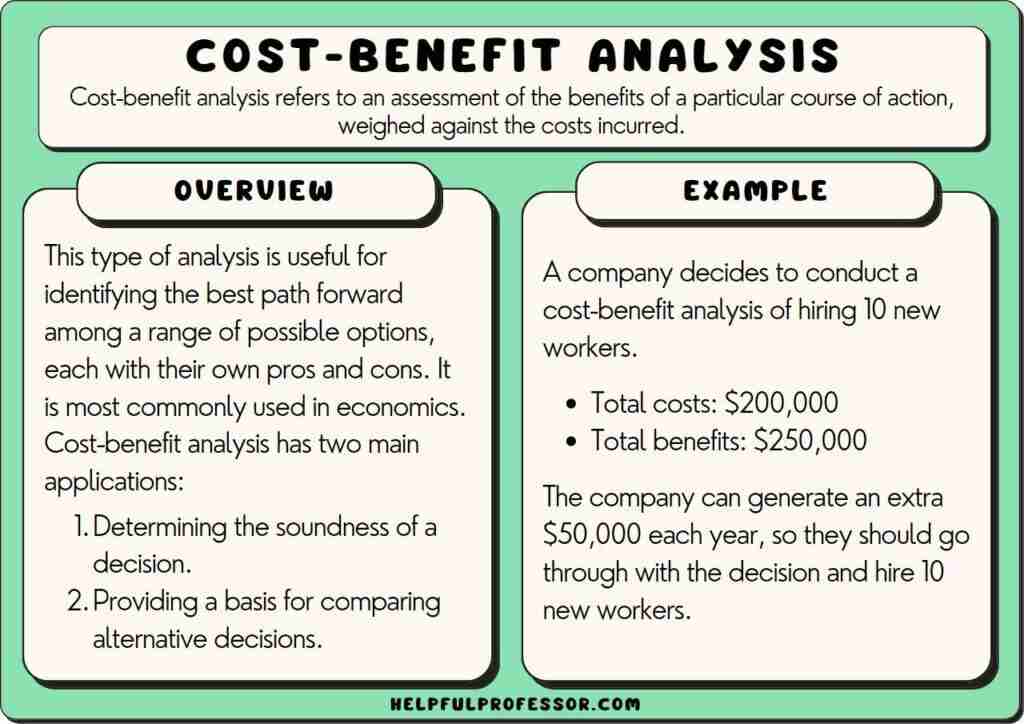
Investing in industrial rice mills requires a thorough evaluation of the potential benefits against the associated costs. One of the primary advantages is enhanced efficiency, as these machines can process a significant volume of rice in a shorter timeframe compared to traditional methods. Additionally, the reduction in labor costs is noteworthy; fewer workers are needed due to the automation of various processes. This shift also leads to greater consistency in rice quality, as industrial machines are designed to operate under controlled conditions that minimize variability. Other benefits include:
- Increased profit margins from the ability to produce higher-quality rice at scale.
- Reduction in wastage through advanced milling technology that maximizes yield.
- Ability to meet market demand swiftly through improved production speed.
On the flip side, initial capital investment remains a significant factor to consider. The cost of purchasing and maintaining industrial rice milling machines can be substantial. It’s crucial to evaluate potential financing options and understand the return on investment (ROI) over time. A simple breakdown of costs and benefits can help stakeholders make informed decisions. Here’s a comparative look at the expenses and projected gains:
| Cost/Benefit | Estimated Amount ($) |
|---|---|
| Initial Investment | 50,000 - 150,000 |
| Annual Maintenance | 5,000 – 10,000 |
| Labor Savings per Year | 20,000 |
| Projected Increased Revenue | 100,000 |
By analyzing these figures, stakeholders can gain clarity on whether the investment aligns with their financial goals, ensuring that the move towards industrial rice milling is both economically viable and strategically sound.
Sustainability in Production: Eco-Friendly Milling Practices
In an era where environmental impact is heavily scrutinized, the milling industry is undergoing a transformative shift towards eco-friendly practices. Modern rice milling machines are designed with sustainability in mind, integrating energy efficiency and waste reduction as core features. Advanced technology not only optimizes the milling process but also reduces energy consumption by utilizing systems such as regenerative braking and variable frequency drives. Such innovations help to lower the carbon footprint of rice production while enhancing overall productivity.
Moreover, adopting renewable energy sources in manufacturing rice mills is becoming increasingly common. Facilities equipped with solar panels or biomass energy systems can significantly cut down reliance on fossil fuels. The emerging trend of circular economy practices further champions sustainability, as by-products from milling can be repurposed or recycled into valuable materials. Essential strategies for eco-conscious milling practices include:
- Utilizing water-efficient milling processes
- Implementing zero-waste principles
- Investing in modern, energy-efficient machinery
- Emphasizing local sourcing of materials
| Eco-Friendly Practice | Benefit |
|---|---|
| Energy-efficient machines | Lower operational costs |
| Water recycling systems | Reduced water usage |
| By-product utilization | Minimized waste |
| Sustainable sourcing of raw materials | Support for local economies |
Concluding Remarks
the rise of industrial rice milling machines marks a significant turning point in the agricultural landscape, transforming the way this essential grain is processed. As we stand at the intersection of tradition and innovation, these machines not only enhance productivity but also ensure superior quality and sustainability in rice processing. Embracing advanced technologies, the industry is poised to meet the growing global demand for rice while adhering to environmental standards. As we look to the future, it is clear that the evolution of rice milling technology will continue to unlock efficiency, paving the way for a more resilient food supply chain. The journey has just begun, and its implications will be felt across the agricultural realm for generations to come.



