
Grain to Gold: The Essential Role of Rice Mills in Farming
In the lush fields where farmers toil under the watchful sun, countless grains of rice emerge, embodying the promise of nourishment and prosperity. Yet, this bountiful harvest goes through a transformative journey before it graces our tables. At the heart of this cycle lies the quietly powerful entity known as the rice mill—a place where raw grains are converted into the polished, versatile staple we recognize. Rice mills are more than just facilities; they serve as the crucial link between agriculture and the marketplace, ensuring that each harvest is processed efficiently and effectively. This article delves into the intricate relationship between rice mills and farming, exploring how these establishments not only enhance the value of the crop but also strengthen the agricultural economy, improve food security, and empower rural communities. As we venture from the field to the mill, we uncover the vital role that processing plays in turning grain into gold.
The Journey from Harvest to Market: Understanding the Grain Processing Cycle
The transformation of harvested rice into market-ready product is an intricate process that involves various stages of processing, each contributing to the quality and value of the grain. Initially, once the rice is reaped, it undergoes a thorough cleaning to remove impurities such as dirt, stones, and other foreign materials. This crucial first step ensures that only the finest grains are selected. Following cleaning, the rice is dried to reduce moisture content, which prevents spoilage and preserves quality during storage. After drying, the rice advances to the milling phase, where husks are removed, and the grains polished to achieve the desired texture and appearance.
Key components of this processing cycle are essential for ensuring the final product meets market standards.
- Milling: The use of various machines to hull and polish the rice.
- Grading: Sorting the rice based on size and quality to cater to different market demands.
- Packaging: Protecting the rice for transportation and sale, emphasizing branding and quality assurance.
To give a clearer picture of these stages and their significance, the following table highlights the core processes involved along with their impact on the grain:
| Process Stage | Significance |
|---|---|
| Cleaning | Ensures purity and quality of the product. |
| Drying | Prevents spoilage and extends shelf life. |
| Milling | Transforms raw grain into a marketable product. |
| Grading | Enhances marketability by aligning with consumer preferences. |
| Packaging | Protects the product during distribution and strengthens branding. |
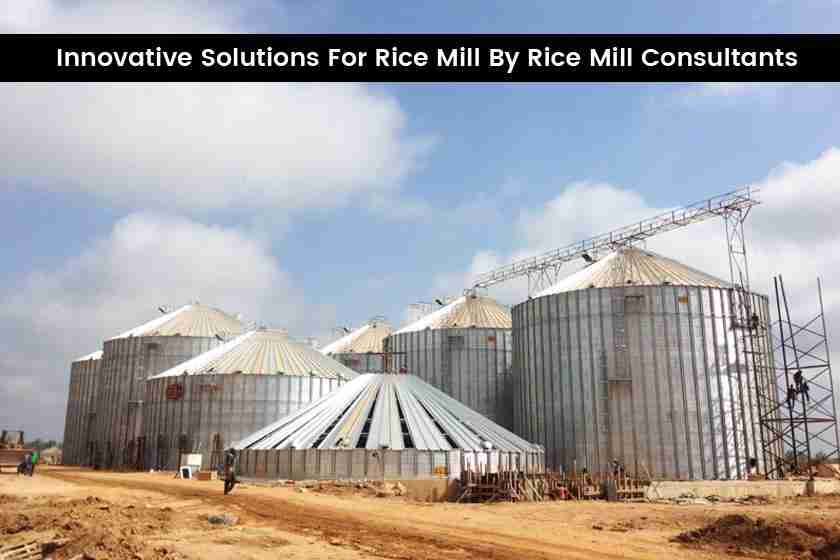
Enhancing Quality and Value: How Rice Mills Transform Raw Produce
Rice mills play a transformative role in the journey of raw rice from field to table, substantially enhancing its quality and value. Through a multifaceted approach, these facilities not only streamline the post-harvest process but also elevate the market appeal of the final product. The milling process includes several critical stages such as husking, whitening, and polishing, which collectively remove impurities and increase the grain’s aesthetic and functional properties. By meticulously processing the rice, mills ensure that the grains are treated with care, preserving their nutritional value while making them more palatable for consumers.
The impact of rice mills goes beyond just physical enhancements; they contribute significantly to the economic landscape of agriculture. When farmers partner with mills, they enjoy benefits such as:
- Increased Profitability: Quality processing leads to higher market prices for polished rice.
- Reduced Waste: Efficient milling techniques minimize grain loss, maximizing yield.
- Market Access: Mills often have established distribution channels that farmers can leverage.
Moreover, through the adoption of sustainable practices and modern technology, rice mills are innovating ways to reduce environmental impact while increasing production efficiency. By optimizing labor and resources, they ensure that every grain of rice indeed turns into “gold” for both producers and consumers alike.

Sustainability in Milling: Practices for Eco-Friendly Rice Production
Modern milling practices are evolving to embrace sustainability, recognizing the imperative to protect our planet while meeting the demands of rice production. Eco-friendly rice milling not only reduces waste but also enhances the quality of the final product. Key practices include the adoption of energy-efficient machinery, which minimizes electricity consumption and carbon emissions. Additionally, many mills now utilize renewable energy sources, such as solar or wind power, to operate their facilities. By implementing water-saving technologies, mills can significantly reduce their reliance on groundwater and optimize water usage throughout the milling process.
Moreover, sustainable milling processes facilitate the complete utilization of rice by-products, turning what once might have been waste into valuable resources. Biomass energy generation from husks and bran provides renewable fuel alternatives, while the use of rice by-products in animal feeds or organic fertilizers promotes a circular economy. The commitment to sustainability can also extend to sourcing raw rice from local farmers who use environmentally friendly agricultural techniques, building strong supply chains that support community well-being. As the industry progresses, it’s crucial that all stakeholders participate in this collective effort to foster a greener future.
Empowering Farmers: The Economic Impact of Modern Rice Mills on Local Communities
Modern rice mills serve as a transformative force within rural economies, creating a ripple effect that uplifts entire communities. By offering advanced processing techniques and optimized technologies, these mills not only increase the efficiency of rice production but also enhance the quality of the yield. As a result, farmers can enjoy higher profit margins due to reduced post-harvest losses and improved marketability of their products. Additionally, with access to better milling facilities, local farmers can benefit from more stable price points in the market, allowing them to reinvest in their farms, purchase quality seeds, and engage in sustainable agricultural practices.
Beyond direct benefits to farmers, modern rice mills catalyze local economic growth through the creation of jobs and support for ancillary industries. These mills require a spectrum of skilled labor, from technicians to logistics coordinators, fostering employment opportunities for the community. Furthermore, as rice mills thrive, they contribute to a locally sustained economy by:
- Supporting local businesses, such as machinery suppliers and transportation services.
- Providing training and education to enhance the skill set of local labor.
- Facilitating financial services, which helps empower farmers with credit options.
This interconnected growth illustrates how investing in modern processing facilities can be a gateway to enhanced livelihoods and strengthened local economies.
Key Takeaways
the journey from grain to gold embodies more than just the transformation of rice into a staple food; it symbolizes the intricate relationship between agriculture and industry. Rice mills play a pivotal role in this process, acting as the vital link that ensures high-quality produce reaches consumers while empowering farmers economically. By investing in modern milling technologies and sustainable practices, these mills not only enhance productivity but also contribute to the resilience of farming communities faced with evolving challenges. As we move forward, it is essential to recognize and support the importance of rice mills in the agricultural ecosystem, ensuring that they continue to thrive and fulfill their role as guardians of grain. With every kernel milled, we are reminded of the rich tapestry woven by nature and human ingenuity, paving the way for a future where farming and industrial innovation coexist harmoniously.



