
In a world where technology continuously reshapes traditional practices, the agricultural sector stands at the forefront of innovation. One of the most vital components of global food production—rice cultivation—has witnessed a remarkable transformation with the advent of automatic rice mills. These state-of-the-art machines are not only optimizing the efficiency of rice processing but also promising to enhance the quality and supply of this staple crop. As farmers grapple with the challenges of labor shortages, fluctuating market conditions, and the pressing need for sustainable practices, the rise of automatic rice mills emerges as a pivotal solution. This article explores how these advanced systems are revolutionizing harvests, impacting livelihoods, and shaping the future of rice production in a rapidly changing world. Join us as we delve into the intricate interplay between tradition and technology, and uncover the benefits and implications of this agricultural evolution.
Transforming Traditional Practices: The Impact of Automatic Rice Mills on Farming Communities
The integration of automatic rice mills has ushered in a new era for farming communities, transforming the way rice is processed and significantly enhancing productivity. With their advanced mechanization, these mills drastically decrease the time required for milling, allowing farmers to focus more on cultivating their fields instead of labor-intensive post-harvest processes. The shift from traditional methods to automated systems not only increases the efficiency of rice production but also improves the quality of the final product. As a result, communities witness a remarkable boost in economic stability, enabling farmers to invest more in their operations and providing them with opportunities for growth.
Moreover, the adoption of automatic rice mills fosters a more sustainable approach to farming. These modern systems utilize energy-efficient technologies that lower fuel consumption, thereby reducing environmental impact. Additionally, farmers can take advantage of value-added opportunities, such as producing rice bran oil or fortified rice products. Some notable changes include:
- Increased profitability: Higher yield and better quality lead to improved market prices.
- Job creation: While automation replaces some manual labor, it also spurs the demand for skilled technicians and other services.
- Community cooperation: Farmers often form cooperatives to share resources, optimizing the use of these new mills.
| Aspect | Traditional Mills | Automatic Mills |
|---|---|---|
| Processing Time | Days | Hours |
| Labor Requirements | High | Low |
| Environmental Impact | Higher | Lower |
| Quality of Rice | Variable | Consistent |
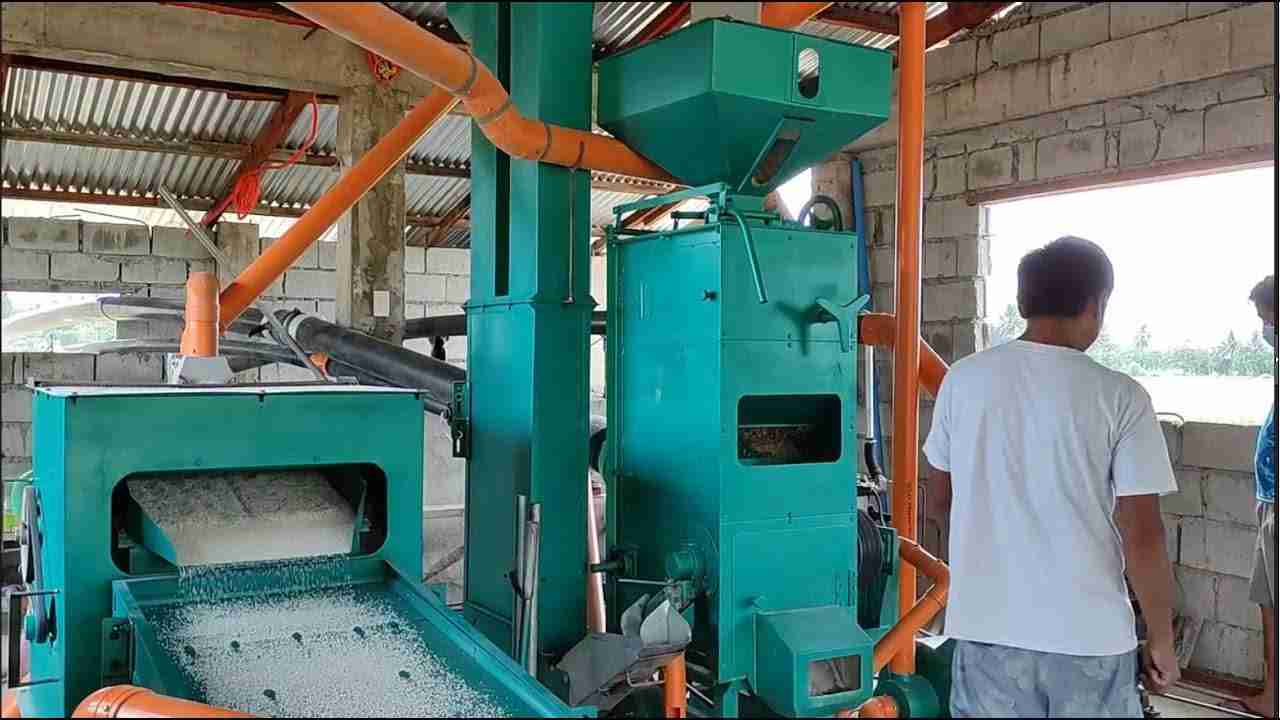
Enhanced Efficiency and Sustainability: How Automatic Rice Mills Optimize Production
Automatic rice mills are transforming the agricultural landscape by introducing innovative technologies that significantly enhance production efficiency. By automating processes that were once labor-intensive, these mills not only streamline operations but also reduce the chances of human error, leading to higher quality outputs. Key features that contribute to their effectiveness include:
- Precision Grading: Automated systems ensure uniform grain sizes, optimizing the milling process and reducing waste.
- Energy Efficiency: Advanced machinery is designed to consume less energy while maintaining high throughput rates.
- Real-time Monitoring: Smart sensors provide constant feedback on operational parameters, enabling timely adjustments to enhance productivity.
Moreover, these mills exemplify a shift towards more sustainable agricultural practices. By minimizing waste, conserving energy, and ensuring minimal environmental impact, automatic rice mills play a crucial role in promoting responsible farming. Their sustainable practices are further enhanced by:
- Water Conservation: Many mills implement techniques to recycle water, thus reducing the overall consumption.
- Reduced Emissions: With electric and hybrid systems, these mills lower their carbon footprint compared to traditional methods.
- By-product Utilization: Innovations in processing allow for more effective use of husks and bran, often turning waste into valuable products.

Technological Innovations Driving Automatic Rice Mill Adoption and Performance
In the modern agricultural landscape, a range of technological advancements has catalyzed the shift towards automatic rice mills, enhancing both efficiency and yield. These innovations are redefining traditional processes, leading to improved productivity in rice milling. Key technologies include:
- Automation Software: Integrates various milling operations, minimizing manual intervention and reducing human error.
- Sensors and IoT: These technologies monitor parameters in real time, facilitating precise adjustments and predictive maintenance.
- Energy-Efficient Designs: Innovations in machinery reduce power consumption, making operations more cost-effective and sustainable.
Moreover, the ability to collect and analyze data has unlocked new potentials in optimizing production. Automatic rice mills now feature:
| Feature | Benefit |
|---|---|
| Data Analytics | Improved decision-making through insights on processing efficiency. |
| Remote Monitoring | Operators can manage multiple mills from a single location, enhancing flexibility. |
| Customized Processing | Adaptable settings for different rice varieties ensure optimal milling quality. |
Together, these advancements not only improve the performance of rice mills but also cater to evolving consumer demands for quality and sustainability in agricultural production.
Future Prospects: Recommendations for Farmers and Policy Makers in Embracing Automation
As automatic rice mills revolutionize the agricultural landscape, farmers should actively consider integrating these technologies into their practices to maximize efficiency and productivity. Embracing automation can significantly reduce labor costs and enhance the quality of the harvested rice. To facilitate this transition, farmers are encouraged to:
- Assess local infrastructure needs to support automatic milling operations.
- Engage in training programs focused on operating and maintaining automated systems.
- Join cooperatives to share resources and mitigate financial risks associated with initial investments.
On the other hand, policy makers have a vital role in creating an enabling environment for the adoption of these advanced techniques. Policies that encourage research and development, as well as providing financial incentives for farmers willing to invest in automated equipment, can significantly accelerate this transformative journey. Key recommendations include:
- Establishing grants or subsidies to offset the costs of new machinery.
- Promoting partnerships between tech companies and agricultural sectors to ensure practical solutions are developed.
- Implementing educational outreach programs that inform farmers about the long-term benefits of automation.
| Aspect | Farmers’ Focus | Policy Makers’ Focus |
|---|---|---|
| Cost Efficiency | Invest in automation | Provide subsidies |
| Quality Improvement | Enhance processing | Support R&D initiatives |
| Community Engagement | Form cooperatives | Foster partnerships |
In Summary
the advent of automatic rice mills marks a significant milestone in the agricultural landscape, reimagining traditional practices and setting new standards for efficiency and productivity. As technology continues to intertwine with farming, these innovative machines not only streamline the harvesting process but also promise to enhance the quality of rice production, ensuring that this staple crop remains a reliable source of sustenance for communities worldwide. The rise of automatic rice mills signals a transition toward more sustainable agricultural methods—one where precision meets progress, paving the way for a future where farmers can reap the benefits of their labor with less strain and greater yields. As we stand on the brink of this agricultural revolution, it is clear that the journey of rice, from field to table, is evolving, and the potential for growth and improvement remains limitless.



