
In a world where efficiency reigns supreme, the agriculture sector constantly seeks innovative solutions to enhance productivity and reduce waste. At the heart of this pursuit lies a seemingly simple yet pivotal process: rice milling. The transformation of paddy into pristine rice is not only a cornerstone of food supply, but it also embodies a complex interplay of technology, precision, and artistry. “Unlocking Efficiency: The Complete Rice Milling Machine Guide” is your comprehensive resource, designed to demystify this essential operation. Whether you are a seasoned miller or a curious entrepreneur, this guide will navigate you through the array of machines available, their functionalities, and the best practices for optimization. Join us as we explore how modern milling technologies are not just reshaping the rice industry, but also holding the key to sustainable agricultural practices and economic growth.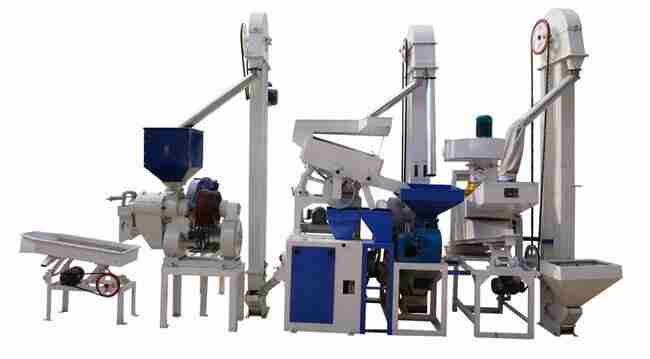
Understanding the Fundamentals of Rice Milling Machines
Rice milling machines are vital in transforming harvested paddy into polished, consumable rice, and understanding their fundamentals can significantly enhance processing efficiency. The primary components of these machines include huskers, whiteners, and separators, each playing a critical role in the milling process. The husker removes the outer husk, while the whitener polishes the grains, ensuring they are free from impurities. separators sift through the milled rice to categorize it based on size and quality, leading to uniformity in the final product. Familiarity with these elements allows operators to identify areas for improvement and reduce waste during production.
Furthermore, it is essential to consider the various types of rice milling machines available on the market, as their applications can vary significantly. These machines can be classified into two main categories: small scale and large scale. Each category serves different production needs, with small-scale machines often used in local markets and large-scale ones designed for high-output factories. Here’s a brief comparison of the two types:
| Type | Capacity | Usage |
|---|---|---|
| Small Scale | Up to 1 ton/hour | Local markets, small businesses |
| Large Scale | 1 ton/hour and above | Industrial mills, commercial production |
Ultimately, mastering these fundamentals leads to enhanced productivity, cost savings, and sustainability in the rice milling sector. By embracing advancements in technology, such as automated systems and energy-efficient designs, businesses can optimize their operations and meet the demands of a growing market.

Selecting the Right Equipment for Your Milling Needs
Choosing the appropriate machinery for rice milling is pivotal to the success of your operation. Start by assessing your production needs, which should encompass factors such as the volume of rice to be milled and the desired end product quality. Key specifications to consider include capacity, power consumption, and maintenance requirements. A machine designed for high output may be necessary for large-scale operations, whereas smaller units with lower capacity can suffice for boutique or artisanal milling. Pay close attention to the features offered, such as adjustable milling settings, inclusion of peeling and polishing functions, and ease of use.
Furthermore, it’s crucial to evaluate the build quality and reliability of the machine. Opt for models constructed with durable materials that can withstand the rigors of continuous use. Including factors such as energy efficiency can lead you to better long-term cost savings while minimizing your environmental impact. To aid your decision-making process, consider the following aspects when selecting your milling equipment:
- Cost: Initial investment versus long-term operational costs
- Brand Reputation: Choose manufacturers known for quality and service support
- Technological Features: User-friendly interfaces, automation options, and monitoring capabilities
Consider also conducting a comparison of various options available in the market:
| Machine Model | Capacity (kg/hr) | Power (kW) | Features |
|---|---|---|---|
| EcoMiller 3000 | 500 | 3.5 | Energy-efficient; user-friendly interface |
| RiceMaster Pro | 1000 | 5 | Adjustable settings; built-in polishing |
| AgriMatic 1500 | 750 | 4 | Compact design; low maintenance |
By comprehensively analyzing your options against these criteria, you will be able to identify the milling machine that best aligns with your specific needs and goals.

Optimizing Operations for Maximum Yield and Quality
Maximizing yield and quality in rice milling operations demands a comprehensive approach that harmonizes technology, process, and personnel. Advanced rice milling machines are designed with features that enhance productivity while ensuring precision. Key elements to focus on include:
- Machine Calibration: Ensuring machines are correctly calibrated minimizes product loss and maximizes output.
- Regular Maintenance: Routine checks and servicing keep machines running smoothly, reducing downtime and improving efficiency.
- Training Operators: Skilled personnel can leverage the full capability of machinery, adapting to various rice types and milling conditions.
Monitoring the entire process through real-time data analytics is another crucial factor. By implementing a dashboard system, operators can identify bottlenecks, assess quality metrics, and adjust processes dynamically. This system allows for:
| Metrics | Standard Range | Action Required |
|---|---|---|
| Moisture Level | 12-14% | Adjust drying process if outside range |
| Husk Removal Rate | 95%+ | Check for machine wear and tear |
| Output Quality Index | 90%+ | Review milling settings immediately |
By adhering to these principles, operations can significantly increase their yield and the overall quality of the final product, staying competitive in the modern market.
Maintenance Tips for Longevity and Performance Efficiency
To ensure your rice milling machine operates at its best for years to come, adopting a few routine maintenance practices can make all the difference. Start by regularly checking and replacing filters as needed. Clogged filters can severely affect the machine’s performance, causing it to work harder and less efficiently. Additionally, keep the blades and rollers sharp; dull blades lead to increased waste and lower milling quality. Schedule periodic inspections to assess the condition of these components, ensuring they remain in optimal shape for the task at hand.
Another critical aspect of maintenance is lubrication. Consistently lubricate moving parts to minimize friction and wear, which promotes smoother operation and extends the life of your equipment. Don’t overlook the importance of cleaning; make it a habit to clear out dust and debris from the machine after each use. This proactive approach prevents buildup that can interfere with functionality. For quick reference, consider implementing a maintenance log to track servicing, which can help you stay ahead of any potential issues.
| Maintenance Task | Frequency | Notes |
|---|---|---|
| Check Filters | Monthly | Replace if necessary |
| Sharpen Blades | Every 300 hours | More often in peak seasons |
| Lubricate Moving Parts | Weekly | Use recommended lubricant |
| Clean the Machine | After each use | Focus on removing excess rice and dust |
Key Takeaways
As we conclude our comprehensive exploration of rice milling machines, it’s clear that mastering the intricacies of these vital tools can significantly enhance the efficiency of any rice processing operation. The journey through various types, features, and maintenance tips illuminates not just the mechanics of milling, but also their profound impact on productivity and quality.
Whether you’re a seasoned miller or a newcomer to the field, understanding the right machinery to invest in is paramount. Armed with the knowledge from this guide, you can make informed decisions that will streamline your processes, reduce waste, and ultimately elevate the standard of your product.
In a world that demands both quality and quantity, the right rice milling machine stands as a cornerstone of success. So, as you venture forth, may your operations thrive and your grains be polished to perfection. Remember, efficiency is not just a goal—it’s a journey, and with the right tools, the possibilities are endless. Happy milling!



