
In the world of culinary delights, few staples hold the same revered status as rice. This humble grain, celebrated for its versatility and nutrition, has nourished civilizations for centuries. Yet, nestled beneath the surface of every perfect bowl of steamed rice lies a vital ally often taken for granted: the rice polisher. As an unsung hero in the realm of grain processing, the rice polisher plays a crucial role in enhancing texture, flavor, and appearance, transforming raw grains into the gleaming jewels of any kitchen. In this article, we embark on a journey to unveil the secrets of rice polishers—exploring their history, mechanics, and impact on rice quality. Join us as we uncover how this remarkable machinery has become a grain’s best friend, revolutionizing the way we enjoy one of the world’s oldest dietary staples.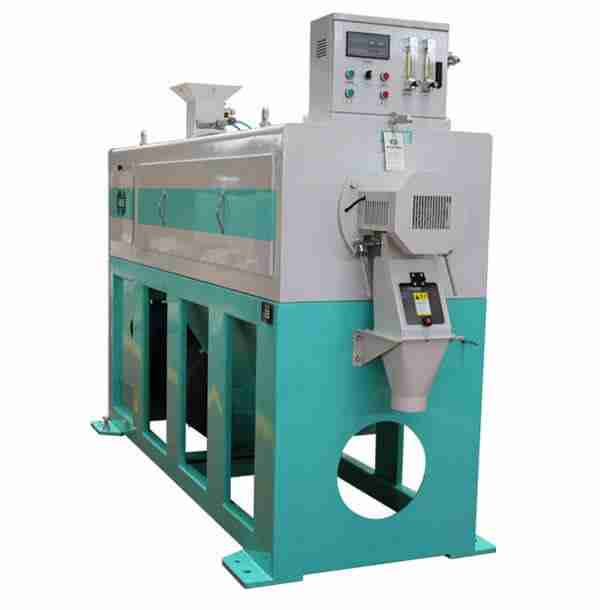
Understanding the Mechanism: How Rice Polishers Work
At the heart of every rice polisher lies a sophisticated mechanism designed to enhance the quality of rice while preserving its nutritional value. These machines typically operate through a combination of friction, abrasion, and air suction. The process begins as unpolished rice grains are fed into the polisher, where they undergo gentle abrasion against a series of roughened surfaces. This action helps to remove the bran layer, which can be undesirable and gritty, while also ensuring that the rice remains intact and unbroken. The controlled environment ensures that the grains are polished uniformly, resulting in a consistently shiny appearance that enhances visual appeal.
Modern rice polishers also integrate advanced features that contribute to their efficiency and effectiveness. Some of the key components of these machines include:
- Separator Screens: To sift out broken grains and ensure a higher quality product.
- Air Blowers: Designed to effectively remove excess bran while preventing moisture accumulation.
- Variable Speed Motors: Allowing customization based on the variety of rice being processed.
The combination of these elements not only optimizes the polishing process but also underscores the innovation that goes into making rice polishers an essential tool in the quest for superior rice quality.
Choosing the Right Rice Polisher: Factors to Consider
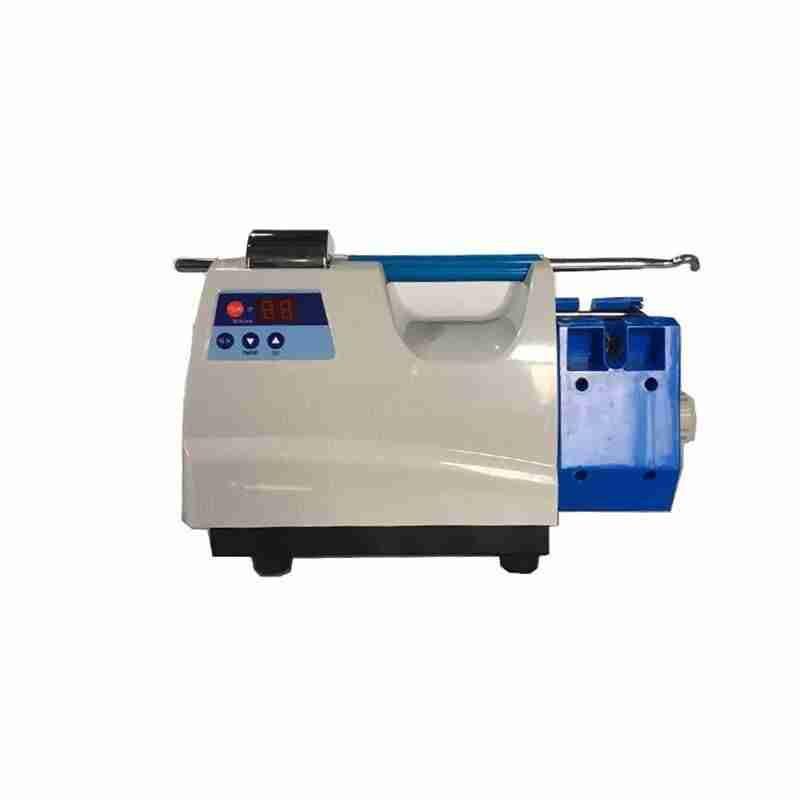
When selecting a rice polisher, several critical aspects can significantly impact not just the quality of the polished rice but also the efficiency of your operation. First and foremost, consider the capacity of the polisher, which should align with your production needs. Smaller production facilities may benefit from compact models that fit in tight spaces, while larger setups will require high-capacity machines designed for continuous use. Additionally, the polishing mechanism plays a crucial role; machines that utilize a combination of friction and airflow generally produce better results by minimizing broken grains.
Another essential factor is ease of operation and maintenance. Look for polishers that offer intuitive controls and can be easily disassembled for cleaning, as this will save time and labor costs in the long run. Durability and build quality should not be overlooked; investing in a robust machine will ensure longevity, reducing the need for frequent replacements. To further guide your decision, here’s a quick comparison table of popular rice polishers on the market:
| Model | Capacity (kg/h) | Polishing Type | Maintenance |
|---|---|---|---|
| EcoPolisher 2000 | 500 | Friction + Airflow | Easy |
| RiceMaster Pro | 1000 | Steam + Airflow | Moderate |
| SwiftPolish 300 | 300 | Friction | Easy |
By carefully evaluating these elements, you can ensure that your rice polishing process results in the highest quality product while optimizing efficiency and cost-effectiveness. Factors like energy consumption and the learning curve for operators can further refine your selection, ensuring that the machine not only meets immediate needs but also supports long-term goals in your rice processing venture.
Maximizing the Benefits: Tips for Optimal Use
To truly harness the potential of your rice polisher, it’s important to master the techniques that yield the best results. Start by choosing the right type of rice to polish—whole grains like brown and black rice not only retain more nutrients but also offer a deeper flavor profile. Adjust the polishing time according to the desired texture; shorter durations will result in a more al dente finish, while longer polishing times can produce a softer rice. Additionally, soaking the rice for a brief period before polishing allows for better absorption of flavors and ensures an even polish.
Beyond the initial setup, maintaining your rice polisher is crucial for optimal performance. Regularly clean the machine to avoid residue buildup, which can interfere with the polishing process. Implement a periodic calibration check to ensure your polisher operates at its best. Here are some valuable tips:
- Experiment with different rice varieties to discover unique flavors.
- Use filtered water for soaking to enhance quality.
- Monitor the temperature during polishing to prevent overheating.
Creating a favorable environment for your rice polisher can also enhance its benefits. Here’s a quick overview of considerations for your setup:
| Factor | Recommendation |
|---|---|
| Room Temperature | Keep it cool and dry. |
| Humidity Level | Avoid high humidity; aim for below 60%. |
| Electrical Supply | Ensure stable voltage without spikes. |
The Environmental Impact: Sustainable Practices in Rice Polishing
As the world increasingly pivots toward sustainability, the rice polishing industry is embracing eco-friendly methods that minimize environmental impact. Traditional polishing techniques often consume excessive energy and generate significant waste. However, modern innovations are steering the process toward a cleaner future. By utilizing renewable energy sources and water conservation methods, rice polishers are not only enhancing the quality of the grain but also contributing to a healthier planet. These practices allow producers to play their part in combating climate change, effectively reducing carbon footprints while delivering a superior product.
In addition to energy-efficient operations, sustainable rice polishing integrates waste management strategies that repurpose byproducts in meaningful ways. For instance, bran—a common byproduct—can be transformed into nutritious animal feed or even used in the production of biofuels. This circular approach not only maximizes resource utilization but also adds economic value to what was once considered waste. Below is a brief overview of some sustainable practices currently implemented in rice polishing:
| Practice | Description |
|---|---|
| Energy Efficiency | Utilizing solar and wind power to reduce reliance on fossil fuels. |
| Water Conservation | Implementing techniques to minimize water usage during the polishing process. |
| Waste Repurposing | Converting rice bran into animal feed and biofuel. |
| Community Engagement | Involving local farmers in sustainable practices to promote biodiversity. |
The Way Forward
As we conclude our exploration into the world of rice polishers, it’s evident that these seemingly simple machines hold a profound influence over both the quality of rice and the culinary traditions they support. By meticulously refining each grain, rice polishers not only enhance texture and appearance but also unlock the full potential of this ancient staple.
In a globally connected kitchen, where the appreciation for diverse flavors and textures continues to grow, understanding the role of rice polishers offers us a deeper respect for the humble grain. Whether you’re a gastronomic adventurer or a home cook looking to elevate your dishes, the knowledge gleaned from this journey reveals the art and science behind what makes rice truly shine.
So next time you savor a perfectly cooked bowl of rice, remember the magic happening behind the scenes. The journey from field to table is a remarkable one—one where the rice polisher stands as a steadfast ally, ensuring that each grain is not only nourished but celebrated. As we uncover the secrets of this remarkable process, may we carry forward the appreciation for every meal crafted with love and care.



