
From Field to Bowl: Unveiling the Art of Paddy Processing
In a world where culinary experiences increasingly celebrate authenticity and craftsmanship, the journey of rice from the verdant fields to the humble bowl becomes a tale of dedication, tradition, and innovation. Each grain of rice carries within it the essence of the earth it was nurtured in, the hands that cultivated it, and the careful processes that shape its final form. From the rhythmic swaying of paddy fields under the sun to the intricate machinery that husks and polishes this staple grain, the art of paddy processing is both an age-old practice and a modern science. This article invites you to delve into this fascinating journey, exploring the techniques, tools, and cultural significance behind every step of paddy processing, revealing how this seemingly simple grain transforms into the cornerstone of countless meals across the globe. Join us as we unveil the artful process that bridges the gap between field and bowl, reminding us that the food we cherish often has a story worth telling.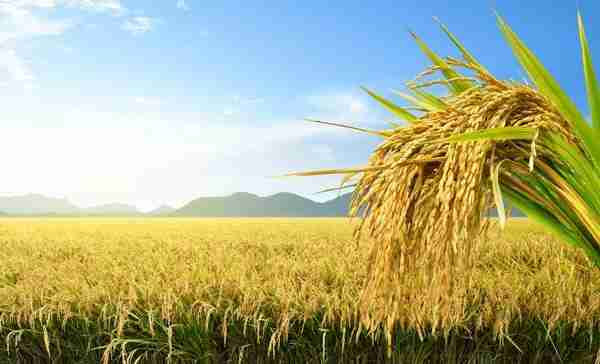
Exploring the Journey of Paddy: From Crop to Culinary Delight
Paddy processing is a meticulous journey that transforms raw grains into the culinary staples we cherish. After harvest, the paddy undergoes a series of steps that ensure the rice retains its quality and flavor. The initial phase, known as milling, involves removing the outer husk and converting the paddy into brown rice, rich in nutrients. Subsequently, the brown rice may be further polished to produce white rice, appealing for its texture and appearance. As this journey unfolds, the grains are carefully sorted and graded, ensuring consistency in quality, with many farmers adhering to standard practices that promote sustainability and environmental stewardship.
Throughout its transition from field to bowl, the paddy’s journey is marked by a blend of traditional methods and modern innovations. The processing stages can be illustrated as follows:
| Stage | Description |
|---|---|
| Harvesting | Gathering ripe paddy using manual or mechanized methods. |
| Drying | Reducing moisture content to prevent spoilage. |
| Milling | Removing husk to yield brown rice and further polishing to white rice. |
| Sorting | Classifying grains based on size, weight, and quality. |
| Packaging | Sealing rice in moisture-proof packages for distribution. |
Each step is crucial, not only maintaining the grain’s quality but also preserving its unique characteristics that enhance countless dishes across global cuisines. From the intricate art of milling to the precise quality checks, every element of the process reflects a deep respect for the humble paddy, ensuring that it enriches tables everywhere with its adaptability and flavor.

Understanding the Science Behind Paddy Processing Techniques
Paddy processing is a multifaceted journey that begins long before the grains reach our bowls. Initially, it’s essential to understand that paddy—the unhusked rice that’s harvested from the fields—undergoes several key stages, each meticulously designed to enhance quality and yield. Husking, for instance, separates the outer husk from the rice grain. This process relies on precision machinery that minimizes grain breakage, ensuring maximum recovery. Following husking, the rice is subjected to parboiling, a technique where the paddy is soaked, steamed, and dried. This not only strengthens the grain but also preserves its nutrients. Each stage serves a specific purpose, transforming the delicate grains into a staple that is rich in flavor and nutrition.
Furthermore, the role of moisture content cannot be overstated in the paddy processing realm. Proper moisture levels during the drying process are crucial to prevent spoilage and to maintain quality. Various techniques such as solar drying, mechanical drying, or a combination of both can be employed, depending on the climate and resources. Modern processing facilities often utilize advanced technologies like infrared drying, which ensures timely completion while preserving grain integrity. Here’s a brief comparison of common drying methods:
| Drying Method | Advantages | Disadvantages |
|---|---|---|
| Solar Drying | Cost-effective, eco-friendly | Weather-dependent, slower process |
| Mechanical Drying | Faster, reliable regardless of weather | Higher energy costs, equipment maintenance |
| Infrared Drying | Reduces drying time, energy-efficient | Requires specialized equipment |

Maximizing Quality: Essential Tips for Sustainable Paddy Harvesting
To achieve the highest quality paddy during the harvest, it’s essential to implement sustainable practices that not only enhance grain integrity but also promote environmental health. Timing is crucial; harvesting should take place when the grains have reached physiological maturity while ensuring that moisture levels are optimal. Dry weather conditions are preferable, as they minimize the risk of spoilage and allow for easier handling. Key strategies to consider include:
- Selective Harvesting: Prioritize poles that show the desired ripeness, reducing waste and ensuring quality.
- Manual vs. Mechanical: Depending on resources, a balance of both methods may help control damage to grains.
- Regular Maintenance: Ensure your harvesting equipment is well-maintained to prevent unnecessary breakage and grain loss.
Furthermore, post-harvest practices play an equally vital role in preserving quality. Storage facilities should be designed to minimize moisture absorption and pest infestations, playing an integral part in extending the shelf life of your grains. Quality assessments post-harvest should focus on factors such as purity, moisture content, and overall appearance. The following table outlines essential quality metrics that should be considered during this phase:
| Quality Metric | Description |
|---|---|
| Moisture Content | Optimal range: 13-15% ensures longer storage life. |
| Grain Purity | Less than 5% of impurities is ideal for market standards. |
| Color & Texture | Uniform color and texture enhances buyer appeal. |
The Future of Paddy Processing: Innovations and Best Practices
The transformation of paddy into consumable rice is a process steeped in tradition, yet increasingly influenced by modern technology and innovative practices. As the global demand for rice continues to rise, the future of paddy processing is being reshaped by advancements in machinery, biotechnology, and sustainable practices. Some of the key innovations in this sector include:
- Automated Milling Systems: Advanced milling technologies that enhance efficiency while minimizing waste.
- Biotechnology Applications: Genetic modifications aimed at bolstering pest resistance and improving yield.
- Eco-Friendly Processing Techniques: Processes that reduce carbon footprints and water usage.
Collaboration among farmers, processors, and researchers is more critical than ever in elevating the standards of paddy processing. Best practices are being implemented to streamline operations, which can significantly influence both quality and profitability. Key practices gaining traction include:
| Best Practices | Description |
|---|---|
| Quality Control Measures | Implementing stringent checks at every stage of processing to ensure top quality. |
| Training Programs | Educating workers on modern processing techniques and safety protocols. |
| Data Analytics | Utilizing technology to gain insights into production efficiency and market trends. |
Closing Remarks
As we journey through the intricate world of paddy processing, it becomes clear that this craft is not just a means to an end but an art form that honors both tradition and innovation. From the rhythmic swaying of rice paddies in the field to the delicate machinery of modern milling, each step in the process tells a story of dedication, culture, and sustainability. The transformation of paddy into rice—a staple that nourishes millions—demands respect for the land, the laborers, and the techniques passed down through generations. As we savor our bowls of rice, let us appreciate the rich tapestry woven by those who toil in the fields, the engineers who enhance the process, and the culinary artists who transform the grain into culinary delights. The next time you enjoy a simple bowl of rice, remember that it is so much more than a mere food item; it is a culmination of history, hard work, and a profound connection to our shared agricultural heritage. Embrace the complexity of this journey, from field to bowl, and celebrate the artistry behind every grain.



