
In the heart of agricultural innovation lies a transformative force that has the potential to reshape the landscape of rice production—the versatile 5 ton rice mill. As global demand for rice continues to rise, the need for efficient, reliable, and sustainable milling solutions has never been more critical. The 5 ton rice mill emerges as a beacon of progress, combining cutting-edge technology with user-friendly design to streamline operations and enhance productivity. This article embarks on a journey to unveil the efficiency of this remarkable machine, exploring its multifaceted applications, the impact on farmers and communities, and the role it plays in meeting the challenges of modern rice processing. Join us as we delve into the revolution that is redefining the way we mill rice, one grain at a time.
Exploring the Technology Behind the 5 Ton Rice Mill
At the heart of the 5 Ton Rice Mill lies an intricate orchestration of technology designed to enhance productivity while preserving the quality of rice. This advanced machinery operates on a combination of several key components that work in harmony to transform paddy into polished grains. The core features include a combined husker, drier, and polisher, each engineered to optimize every phase of the milling process. While the husker removes the outer husk, the drier ensures moisture control, and the polisher enhances the appearance and quality of the rice, demonstrating a seamless integration of functionality.
The efficiency of this mill is further augmented by a user-friendly control panel that allows operators to monitor and adjust settings in real-time. Its energy-efficient design minimizes power consumption, contributing to lower operational costs. Additionally, the mill’s robust structure is built for durability, with materials selected for their resilience against wear and tear. The incorporation of automated features also provides a level of consistency in the milling process, reducing the risk of human error and ensuring uniformity in the final product.
| Feature | Description |
|---|---|
| Husker | Removes the outer layer of husk from the paddy. |
| Drier | Controls moisture levels for optimal storage. |
| Polisher | Enhances grain appearance and quality. |
| User Interface | Allows real-time monitoring and adjustments. |
| Energy Efficiency | Reduces overall power consumption and costs. |
Maximizing Output: Strategies for Optimal Operation
To achieve the pinnacle of efficiency in rice milling operations, various innovative approaches can be employed. First and foremost, routine maintenance plays a crucial role in ensuring that all components of the rice mill are in optimal working condition. Regular checks and repairs prevent unexpected breakdowns, thus enabling seamless operations. Additionally, implementing automated controls can significantly enhance performance. Automation not only reduces human error but also streamlines the workflow, allowing the milling process to run smoothly without overloading the machinery.
Another vital strategy revolves around staff training and development. By equipping team members with the necessary skills and knowledge about the machinery and milling techniques, operators can maximize output while minimizing waste. Furthermore, engaging in real-time monitoring of production metrics can provide insights into efficiency levels, helping to identify bottlenecks and areas for improvement. Incorporating these strategies culminates in a well-rounded operational framework that promotes productivity and underpins the versatility of a 5-ton rice mill.
| Strategy | Benefit |
|---|---|
| Routine Maintenance | Prevents unexpected breakdowns |
| Automated Controls | Reduces human error and streamlines workflow |
| Staff Training | Maximizes output and minimizes waste |
| Real-time Monitoring | Identifies bottlenecks and areas for improvement |
Cost Analysis: Investment and Savings Over Time
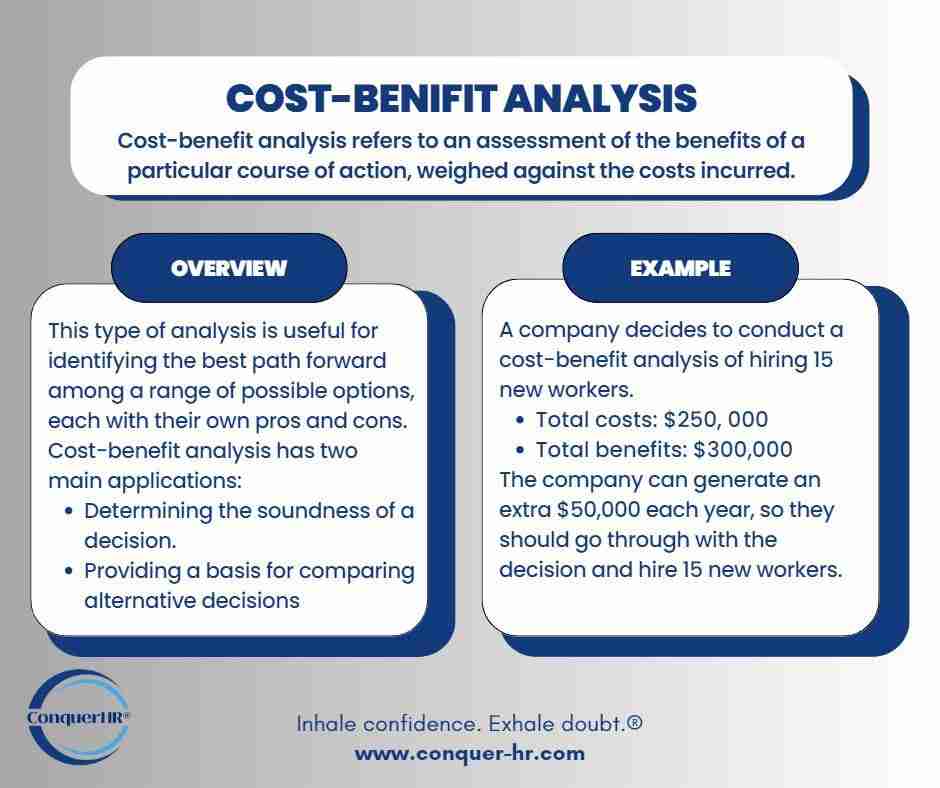
Analyzing the investment and potential savings associated with a 5 ton rice mill reveals the significant value it brings to rice processing operations. Initial costs might seem daunting, typically ranging from $20,000 to $50,000, depending on the features and efficiency levels. However, when broken down over time, this capital outlay quickly transforms into a cost-effective solution. Key benefits include reduced labor costs and increased production efficiency. The ability to process larger batches means fewer operational hours, allowing for lower energy consumption and an overall decrease in expenses.
Over the course of its operational life, a well-managed rice mill can yield tremendous savings, which can be depicted in measurable terms. Consider the following potential annual savings:
| Cost Category | Annual Savings |
|---|---|
| Labor Costs | $10,000 |
| Energy Efficiency | $5,000 |
| Maintenance Costs | $2,000 |
| Overall Production Uptime | $8,000 |
In addition to these savings, owners benefit from increased output quality and reduced waste, reinforcing the mill’s return on investment. Through careful financial planning and operational management, the 5 ton rice mill emerges not only as a profitable asset but also as a key player in enhancing the sustainability of rice production.
Sustainability in Rice Milling: Eco-Friendly Practices and Innovations
As the demand for sustainable agriculture increases, rice milling is on the cusp of a significant transformation. Modern 5-ton rice mills are designed not just for efficiency but also for their minimal environmental impact. These innovative machines utilize energy-efficient technologies, integrating renewable energy sources such as solar and biomass, significantly reducing carbon emissions. Additionally, features such as water recycling systems allow for the reuse of water in the milling process, cutting down on waste and promoting responsible resource management.
Furthermore, the push for eco-friendly practices is reflected in the adoption of biodegradable lubricants and eco-conscious packaging to reduce environmental footprints. The integration of smart technology allows for monitoring and optimization of energy usage, ensuring that each grain is milled using the smallest amount of resources. Below is a summary of the key eco-friendly innovations found in contemporary rice milling technology:
| Innovation | Description |
|---|---|
| Energy Efficiency | Use of sustainable power sources and optimized machinery that lowers energy consumption. |
| Water Recycling | Systems designed to recover and reuse water, minimizing waste and conserving resources. |
| Eco-Packaging | Utilization of biodegradable and recyclable materials to lessen environmental impact. |
| Smart Technology | Advanced monitoring and management systems to optimize energy and resource usage. |
The Conclusion
As we draw the curtain on our exploration of the revolutionary 5 ton rice mill, it becomes clear that efficiency is more than just a goal—it is the foundation upon which modern rice production stands. With its remarkable versatility and innovative features, this milling giant not only transforms raw grain into a staple food but also empowers farmers, fosters local economies, and enhances food security.
The potential of the 5 ton rice mill extends beyond mere functionality; it embodies a shift toward sustainability and productivity in agriculture. As we embrace technological advancements, this versatile machine signifies a commitment to optimizing resources while minimizing waste. It’s an invitation for the industry to evolve, adapt, and flourish in an ever-changing landscape.
the 5 ton rice mill is more than just a tool—it’s a partner in progress, ushering in a new era of efficiency that promises to reshape the way we approach rice milling and agricultural practices. As we continue to unveil the layers of innovation within this field, let us remain open to the endless possibilities that lie ahead, ensuring a future where every grain counts.



