
In a world increasingly focused on sustainability and local production, the humble grain has taken center stage in a quiet revolution. At the heart of this movement are mini rice mills—compact, efficient, and innovative machines redefining how we process one of humanity’s staple foods. These miniature powerhouses not only streamline the milling process but also empower small-scale farmers and rural entrepreneurs, offering a pathway to enhanced livelihoods and self-sufficiency. As the demand for healthier, fresher grains rises, and concerns over industrial farming practices grow, the surge of mini rice mills presents a compelling narrative of transformation, community resilience, and a sustainable future. Join us as we explore the intricacies of this rising trend, unveiling the impact of mini rice mills on both local economies and the global food landscape.
The Evolution of Mini Rice Mills in Modern Agriculture
Over the last few decades, mini rice mills have emerged as a game-changing innovation in the agricultural landscape, particularly in regions heavily reliant on rice cultivation. These compact milling machines are designed to cater to small-scale farmers, effectively addressing the challenges posed by traditional milling processes that often require significant investment and infrastructure. The integration of advanced technology and user-friendly design in these mini mills has made it possible for farmers to process their harvested grains on-site, minimizing wastage and ensuring fresher produce to market.
As the demand for more sustainable and efficient agricultural practices rises, mini rice mills have increasingly gained popularity. They are characterized by their energy-efficient operations, and many models now incorporate solar power capabilities, making them an eco-friendly choice for farmers. Furthermore, these mills often feature integrated systems that streamline the milling process, reducing labor costs and enhancing productivity. Below is a comparison of the traditional milling vs. mini rice milling:
| Feature | Traditional Milling | Mini Rice Milling |
|---|---|---|
| Investment Cost | High | Low |
| Energy Consumption | High | Low |
| Processing Time | Long | Short |
| Location Flexibility | Limited | Flexible |
| Environmental Impact | High | Low |
This table illustrates the advantages of mini rice mills over traditional methods, highlighting their contribution to modern agriculture and sustainable practices. Farmers now have the tools they need to adapt quickly to market demands and changing environmental conditions, making mini rice mills a vital component of the agricultural sector’s evolution.
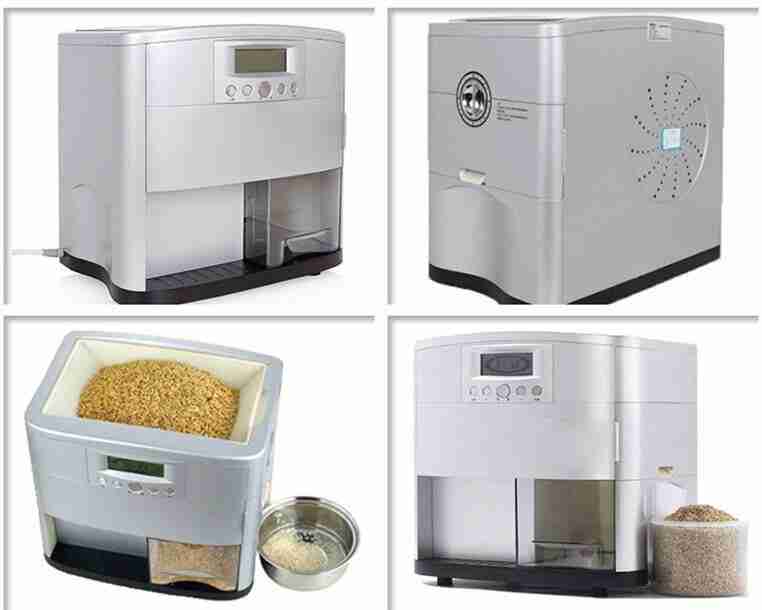
Unlocking the Benefits of Mini Rice Mills for Small-scale Farmers
Mini rice mills are revolutionizing the agricultural landscape for small-scale farmers by providing them with unprecedented access to modern processing technology. These compact machines enable farmers to transform their harvested paddy into market-ready rice efficiently and economically. This localized processing not only reduces dependence on large milling operations but also empowers farmers to take control of their production chain. With lower operational costs and increased profit margins, mini rice mills pave the way for improved financial stability and food security in rural communities.
The benefits extend beyond financial gains. By investing in mini rice mills, farmers can experience a significant reduction in labor and time spent on processing. Here are some of the key advantages:
- Enhanced Quality: Freshly milled rice retains better flavor and nutritional value.
- Job Creation: Establishing mini rice mills can create local employment opportunities.
- Sustainability: Local milling reduces transportation emissions and fosters a circular economy.
- Community Impact: Farmers can collaborate, share resources, and improve regional agricultural practices.
Moreover, the social implications of mini rice mills cannot be overlooked. These systems encourage farmers to form cooperatives, fostering a sense of community and shared ownership. A small-scale mill can serve as a central hub for exchanging knowledge and resources, improving agricultural literacy and sustainable practices within the community. The following table outlines the comparative benefits of traditional milling versus utilizing a mini rice mill:
| Milling Method | Cost Efficiency | Processing Time | Quality of Rice |
|---|---|---|---|
| Traditional Milling | Higher | Longer | Variable |
| mini rice mill | Lower | Quicker | Consistent |

Sustainable Practices in Mini Rice Milling: A Path to Eco-friendly Production
Mini rice milling not only revolutionizes the processing of grains but also paves the way for eco-friendly production methods. By embracing sustainable practices, small-scale millers can significantly reduce their environmental footprint. A few impactful strategies include:
- Energy Efficiency: Utilizing energy-efficient machinery minimizes electricity consumption, reducing emissions and operational costs.
- Waste Reduction: Implementing zero-waste principles by repurposing by-products, such as bran and husks, for animal feed or organic fertilizers.
- Water Conservation: Adopting advanced cleaning techniques that use less water or recirculating systems to ensure water is conserved throughout the milling process.
In addition to these practices, the rise of community-based mini rice mills fosters local economies and reduces transportation-related emissions. Farmers are empowered to process their own grains, enhancing freshness and flavor while minimizing the carbon footprint associated with long-distance shipping. As a testament to these initiatives, the following table highlights the benefits of sustainable mini rice milling:
| Benefit | Description |
|---|---|
| Lower Emissions | Reduces greenhouse gases by minimizing energy use and transport distances. |
| Community Empowerment | Enhances local agricultural economies through value-added processing. |
| Enhanced Quality | Freshly milled rice offers superior taste and nutritional value. |
Investing in Mini Rice Mills: Key Considerations and Financial Insights
When delving into the world of mini rice mills, it’s essential to consider not just the operational aspect but also the financial implications of such an investment. Location plays a pivotal role; proximity to quality rice sources and a robust market can significantly enhance profit margins. Additionally, understanding local demand is crucial. For instance, regions with high rice consumption will naturally provide a more reliable customer base. Factors such as scale of production and equipment efficiency will dictate the overall initial investment versus long-term returns. Moreover, exploring financing options, such as government subsidies or loans tailored for agricultural development, can alleviate the financial burden of starting up.
Beyond operational logistics, evaluating the costs of maintenance, staff training, and marketing strategies is vital. A successful mini rice mill isn’t just about grinding grains—it’s about creating a brand that resonates with quality and reliability. A concise breakdown of potential expenditures can be beneficial:
| Expense Category | Estimated Cost (USD) |
|---|---|
| Equipment Purchase | $15,000 – $25,000 |
| Operational Setup | $5,000 – $10,000 |
| Maintenance (Yearly) | $1,000 – $3,000 |
| Staff Training | $500 – $2,000 |
By meticulously planning each aspect of the investment, entrepreneurs can better position themselves for success in the burgeoning mini rice mill industry, which, buoyed by the growing demand for locally sourced and processed grains, presents an enticing financial opportunity.
Key Takeaways
As we navigate the evolving landscape of food production, the emergence of mini rice mills stands as a testament to innovation and adaptability in agriculture. These small yet powerful units are not only reshaping the way we process grains but also empowering local communities by providing jobs and enhancing food security. The ripple effects of this transformation can be seen in improved access to fresh, high-quality rice and a reinvigorated connection between farmers and consumers.
As we look toward the future, it is clear that mini rice mills are more than just a trend; they represent a shift toward more sustainable, efficient, and responsible grain management. With each small mill that springs up, we move closer to a system that honors tradition while embracing the possibilities of modern technology. The journey of grain transformation is just beginning, and its impact promises to unfold in ways we are only starting to imagine. As we continue to explore these innovations, one thing is certain: the world of rice is being redefined, one small mill at a time.



